社会民生
技术故障正在催生一种新的末日经济模式
中文译文
美国人正在疯狂购物,仿佛明天就不会有日子过了。一系列严重的技术故障导致飞机无法起飞、电子邮件服务中断、银行交易变慢,这让许多人开始担心由人工智能驱动的网络攻击以及美国能源电网的现状。政府官员已经驳斥了网上关于这些故障背后可能存在恶意分子的猜测和传闻。尽管如此,像萨布丽娜·塞佩达这样的消费者仍在为更大规模的技术故障或其他紧急情况做准备。作为休斯敦的居民,她最近购买了丙烷和打火机燃料,以便在断电时使用烹饪和取暖设备。这位三个孩子的母亲还补充了非易腐食品、卫生用品和过敏药物的储备,以应对家庭可能需要居家数天的情况。“我有办法让我的家人有饭吃、有地方住、有水喝、保持温暖且安全,”39岁的塞佩达说。“与其需要这些却得不到,不如不需要却拥有它们。”
末日经济正逐渐兴起。华尔街和零售商们都在关注这一趋势。
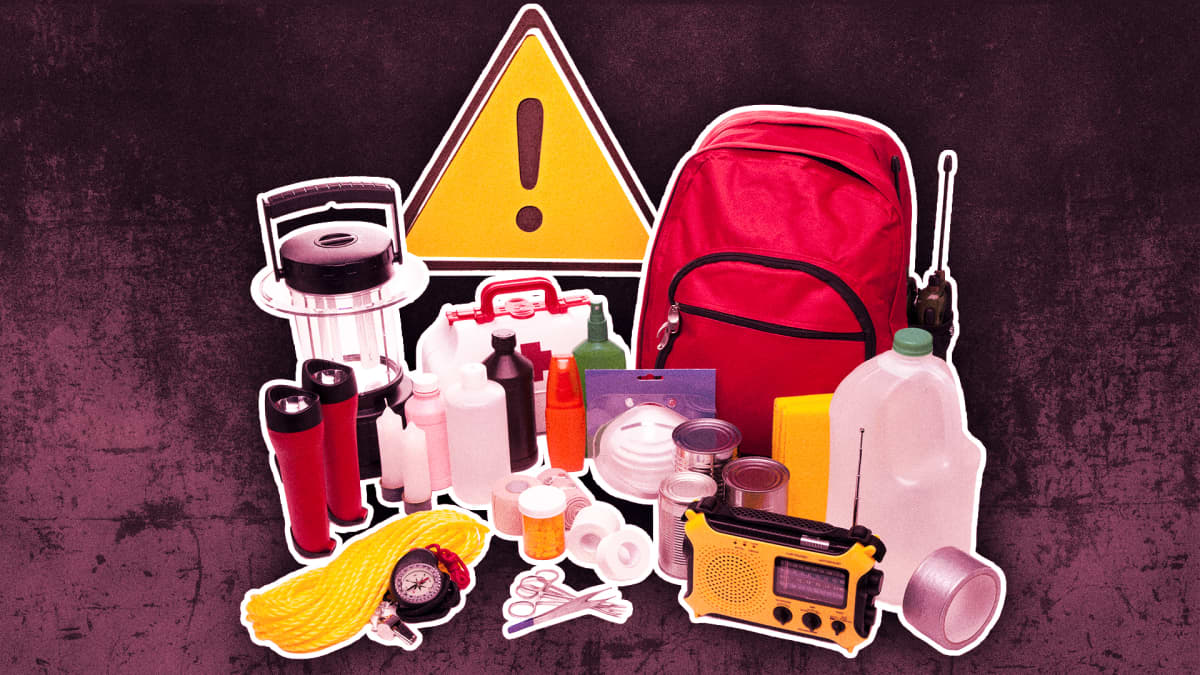
紧急准备用品的购买
11月12日至17日期间,美国至少发生了六起重大技术故障。根据Consumer Edge为CNBC专门分析的信用卡数据,与去年同期相比,专门销售紧急用品的品牌的销售额增长了约400%。
在Ready America这家销售紧急生存套件、预包装水和高热量食品棒等产品的公司,最近几天通过电子商务平台实现的销售额增长了大约五倍。此外,那些在办公室备有这家总部位于加利福尼亚州维斯塔市的公司的应急物资的企业客户也纷纷打电话订购更多产品。Ready America的总裁特雷文·里斯表示,自六年前新冠疫情导致美国进入封锁状态以来,该公司很少见到如此高的需求。因此,Ready America要求其供应商增加产量。这家家族企业面临净水片短缺的问题,于是将顾客引导至预包装水袋等替代产品。
里斯说:“鉴于目前新闻中发生的种种情况,我们发现越来越多的人希望做好准备。”
尽管一系列停电事件使电力相关问题达到临界点,但数据表明,相关担忧其实几周前就已开始显现。据《消费者边缘》报道,上个月末,消费者开始大幅增加对应急准备相关产品的购买。大约在同一时间,福克斯新闻报道称五角大楼正在让美国军事基地做好在无外部支援的情况下至少运行90天的准备。而唐纳德·特朗普总统表示伊朗战争可能再度升级,这进一步加剧了人们的担忧。枪支贸易协会NSSF称,10月的枪支销量较去年同期增长了约8%。零售商和枪支制造商也反映称,需求在11月依然居高不下,NSSF认为这主要是由于中期选举带来的不确定性以及近期的电力中断所导致的。“如果人们愿意投资于枪支和弹药,那他们其实是在用钱包直接表明自己的优先事项,”NSSF公共事务总监马克·奥利瓦说道。“你实际上是在投资一种能够保护你自己以及家人生命安全的物品。”
“末日忧虑”
如今,这种末日论调已经开始影响到华尔街。
瑞穗银行周一告知客户,消费者对停电的担忧,再加上该银行所说的在社交媒体上蔓延的“末日忧虑”,促使人们在好市多囤积应急物资。因此,瑞穗银行预计,好市多11月的非燃料类商品销售增长率将自2022年以来首次超过10%。RBC表示,近几周来,所谓的“末日准备”现象对全球的购买行为产生了“显著影响”。不过,这家加拿大银行称,目前这一趋势仅推动了少数几类产品的销售,比如耐储存的蛋白质产品、水净化产品以及干货食品。
SRM公司的私人财富顾问理查德·麦克沃特的客户们纷纷赶往Costco批量购买商品,还大量购买发电机。麦克沃特说,他也收到了很多关于如何为金融系统崩溃的情况做准备的问题。
“我这辈子从未见过这种情况,”麦克沃特说。“我的工作涉及金融方面,同时也涉及心理层面。而过去两周更多的是心理层面的影响。”金属经销商美国哈特福德黄金公司本周报告称,客户咨询量有所增加。公司总裁马克斯·贝克表示,他收到一些客户的反馈,称在摩根大通出现故障导致客户交易中断数小时后,他们开始担心过度依赖数字金融网络,因此对黄金等长期以来被视为动荡时期安全资产的商品产生了更多兴趣。
周三,副总裁JD·万斯突然取消了在《纽约时报》举办的峰会的出席计划,转而参加关于技术故障的会议。此前一天,美国国家情报总监杰伊·克莱顿向CNBC表示,近期的故障并非网络攻击,也不是某个外国国家的蓄意行为。尽管如此,弗吉尼亚州民主党参议员马克·华纳周三对CNBC表示,人们对这些停电事件感到“极度恐慌”。作为参议院情报委员会副主席的华纳称,美国“很幸运”,目前尚未出现由失控的AI代理引发的重大网络攻击或危机。
据Macro Hive首席执行官比拉尔·哈菲兹所说,鉴于这些停电事件,投资者可能会出于对失控AI代理的担忧,开始敦促企业加快网络安全方面的投入。他表示,这种情况会让人想起互联网泡沫时期人们大力推广杀毒软件的情景。
在过去两周里,Global X网络安全ETF(BUG)的涨幅约为3%,表现优于AI股票及更广泛的科技板块的下跌趋势。周五,纳斯达克综合指数进入2026年的下跌区间,这意味着这个以科技股为主的指数有望自2022年以来首次出现年度亏损。的确,并非所有社交媒体用户都认同应该为末日情景做准备的观念。在TikTok上发布的讽刺视频中,一些用户开玩笑说,他们通过在星巴克得来速点单或大量购买酒类来为未来做准备。
不过,这一话题似乎越来越受到美国人的关注。与去年同期相比,美国人在谷歌上搜索“准备”这一词汇的次数增加了一倍多。在YouTube上,关于“生存主义”的视频搜索量在同一时期内增长了5000%以上,“生存主义”指的是为紧急情况做准备的实践。
休斯敦的妈妈塞佩达认为,做好应急准备是一种确保安全而非事后后悔的做法。在2017年的哈维飓风和2021年的乌里冬季风暴等极端天气事件中,她曾动用过储备的食品。但她表示,今年是第一次她觉得有必要为技术故障可能引发的紧急情况做好准备。她说,如果美国电网受到更严重的影响,塞佩达和她的丈夫已经确保手头有足够的现金,汽车里也有足够的燃料。
“我们太依赖技术了,”塞佩达说。“你得能够用那些更传统、老式的方法来应对这些情况。”
原文
Americans are shopping like there's no tomorrow.
A spate of high-profile technology outages that grounded planes, halted email access and slowed bank transactions have left many people worried about artificial intelligence-driven cyberattacks and the state of the U.S. energy grid.
Government officials have dismissed rumors and speculation circulating online that there could be a nefarious culprit for the series of malfunctions. Despite those assurances, consumers like Sabrina Cepeda are readying for a larger-scale technology blackout or other emergency event.
In recent days, the Houston resident has purchased propane and lighter fluid for cooking and heating equipment that can be used without electricity. The mother of three also replenished her backup stockpiles of non-perishable foods, hygiene products and allergy medicine in the event that her family is homebound for several days.
"I have a way to keep my family fed, clean, hydrated, warm and safe," said Cepeda, 39. "You want to have these things and not need them, rather than need them and not have them."
The doomsday economy is catching a bid. Wall Street and retailers are taking note.
Emergency prep buying
At least half a dozen major technology outages took place in the U.S. between Nov. 12 and Nov. 17. In that time frame, spending at brands specializing in emergency products spiked about 400% compared with the same period a year prior, according to card data analyzed exclusively for CNBC by Consumer Edge.
At Ready America, which sells products like emergency survival kits, prepackaged water and high-calorie food bars, sales through e-commerce platforms have seen a roughly five-fold increase in recent days. In addition, corporate customers who keep the Vista, California-based company's supplies in their offices in case of emergency have called in to order more.
The company has rarely seen this much demand since the Covid pandemic sent Americans into lockdown more than six years ago, said Ready America President Trevyn Reese. As a result, Ready America asked its suppliers to scale up production. The family-owned business has faced a shortage of water purification tablets, and redirected shoppers to alternative offerings like prepackaged water pouches.
"With everything going on in the news right now, we've seen a large spike of people wanting to get prepared," said Reese.
While the string of outages brought power-related concerns to a boiling point, data shows that worries had been bubbling under the surface for weeks.
Shoppers began significantly ramping up buying from emergency preparedness brands late last month, according to Consumer Edge. Around that time, Fox News reported that the Pentagon was preparing U.S. military bases to operate for at least 90 days without external support. Exacerbating those fears was the ongoing war with Iran that President Donald Trump signaled could ramp back up.
Firearm trade group NSSF said that gun sales rose about 8% in October from the same month a year prior. Retailers and gun manufacturers have anecdotally reported that demand has remained elevated into November, which NSSF said can be attributed to a combination of uncertainty tied to the midterm election and the recent outages.
"If people are investing in firearms and ammunition, they're telling you very directly, with their wallet, what their priority is," said Mark Oliva, NSSF's managing director of public affairs. "You're literally investing in a product that's going to be able to protect your life and protect the lives of your family."
'Apocalyptic concerns'
Now, the doomsday talk has begun making its way to Wall Street.
Mizuho told clients on Monday that consumer worries about the outages — coupled with what the bank called "apocalyptic concerns" swirling on social media — drove shoppers to stock up on emergency supplies at Costco. As a result, Mizuho said it expects a key measure of non-fuel sales growth for Costco in November to rise above 10% for the first time since 2022.
And RBC said so-called doomsday prepping has had a "real impact" on buying behavior around the globe over recent weeks. Still, the Canadian bank reported that the trend has so far boosted sales for only a small basket of items, such as shelf-stable proteins, water purification products and dry-pantry foods.
Clients of Richard McWhorter, a private wealth advisor at SRM, have been rushing to Costco to buy goods in bulk and splurging for power generators. McWhorter said he's also fielded questions about how to prepare for a situation in which the financial system goes down.
"I've never seen anything like this in my life," McWhorter said. "There's the financial side of what I do, and then there's the psychological side. And the past two weeks have been much more psychological."
Metal dealer American Hartford Gold reported an uptick in customer inquiries this week. Company president Max Baecker said he heard from some customers that their interest in products like gold — long considered a safe-haven asset during times of turmoil — was driven by newfound concern about being overly reliant on digital financial networks following a glitch at JPMorgan Chase that affected customer transactions for several hours.
Vice President JD Vance abruptly canceled his appearance at a New York Times summit on Wednesday to attend meetings about the technology outages. A day prior, Jay Clayton, the U.S. director of national intelligence, told CNBC that the recent outages were not a cyberattack or a coordinated effort by a foreign nation.
Still, Sen. Mark Warner, D-Va., told CNBC on Wednesday that people were "freaked out" by the outages. Warner, who acts as the vice chairman of the Senate Intelligence Committee, said that the U.S. was "lucky" to have not yet seen a major AI-generated cyberattack or crisis due to AI agents going rogue.
Investors may begin pushing companies to accelerate their cybersecurity spending out of an abundance of caution around rogue AI agents following the outages, according to Macro Hive CEO Bilal Hafeez. Such a situation would be reminiscent of the antivirus software push seen during the dot-com boom, he said.
The Global X Cybersecurity ETF (BUG) has climbed around 3% over the past two weeks, bucking the downtrend seen among AI stocks and the broader technology trade. The Nasdaq Composite on Friday fell into negative territory for 2026, putting the tech-heavy index on track for its first losing year since 2022.
The 'old-fashioned way'
To be sure, not everyone on social media has bought into the idea that they should be prepping for a doomsday scenario. In satirical videos posted on TikTok, users joked that they were gearing up by placing orders in the Starbucks drive-thru or purchasing significant quantities of alcohol.
Still, the topic appears to be on the minds of a growing number of Americans. U.S. Google searches for the term "prepping" have more than doubled when comparing the past month with the same period a year prior. On YouTube, queries for videos about "survivalism," a term describing the practice of preparing for emergencies, have soared by more than 5,000% over the same time frame.
Cepeda, the Houston mom, sees emergency prep efforts as a way to be safe rather than sorry. She's previously tapped into backup food stashes during extreme weather events like Hurricane Harvey in 2017 and Winter Storm Uri in 2021.
But this year is the first time that she's felt she needed to be prepared for a potential emergency caused by technology outages, she said. Cepeda and her husband have ensured they have enough cash on hand and fuel in their cars if there's a broader hit to the U.S. power grid, she said.
"We rely so much on technology," Cepeda said. "You need to be able to do these things the more traditional, old-fashioned way."