科技
电视会太大吗?一项调查
中文译文
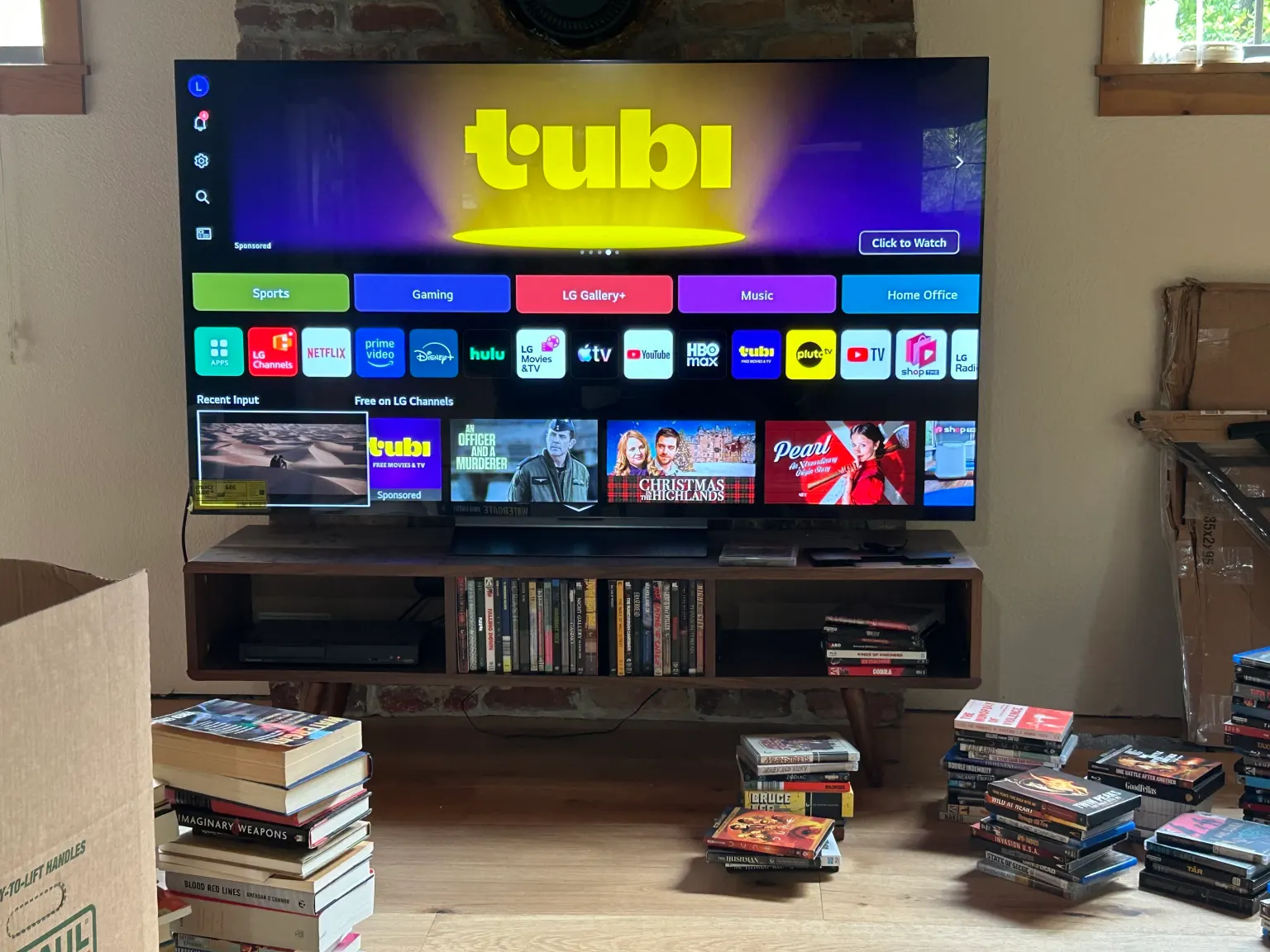
过去几年里,我一直希望将家中的娱乐设备从那台使用已久的55英寸TCL智能电视升级为全球影迷们梦寐以求的机型——OLED电视。有机发光二极管是一种彻底改变了电视行业的显示技术。与通过背光照射像素面板来生成图像的LED电视不同,OLED电视拥有数百万个能够自主发光的像素,这带来了更出色的像素控制能力,能够生成层次更为丰富的图像,色彩更加鲜艳,明暗对比也更强烈。简而言之:OLED电视的显示效果要好得多。它们的价格也高得多,这也是我多年来一直迟迟不愿购买的原因之一。不过,今年我实在等不及了,终于决定升级。既然已经在提升图像质量,我就决定同时提升屏幕尺寸:我买了一台65英寸的LG evo C4,这是该公司在2024年推出的中端产品。
起初,使用体验非常出色。这台电视对色彩和阴影的呈现效果极佳。由于购买它的目的之一就是满足我对实体媒体的需求,我便以狂热粉丝般的热情开始播放我收藏的4K蓝光光盘。然而,事情在观看《麦凯布与米勒夫人》节目进行到一半时出现了意想不到的转折——我突然感到一阵强烈的恶心。我通常对晕动症并不敏感,但这种感觉——让人觉得好像要吐出来一样——在最初出现后持续了数小时。之后又转为轻微的紧张性头痛。
简而言之:状况不佳。
我发现这其实是新购OLED电视的用户中较为常见的现象。事实上,Reddit上充斥着许多新购电视用户的帖子,他们声称自己的新大玩具正在“破坏”他们的大脑。
“我昨天买了这台电视,今天仍然感觉不舒服,”一位自称最近购买了LG C2电视的Reddit用户写道,“一天后就感到头晕和恶心。正在考虑退货。这是正常现象吗?我都不敢开机了,哈哈。”还有人将原因归咎于屏幕过大的尺寸。有位购买了85英寸TLC电视的男子称,这让他妻子认为“屏幕太大了,看起来让人难受。屏幕真的会大到这种程度吗?”
对于出现这种情况的原因,似乎并没有共识。许多红迪网用户将责任归咎于某些动态平滑设置。不过,我的电视并未开启这些设置。还有人认为是因为观众坐得离屏幕太近——而我就坐在九英尺远的地方,这完全在65英寸屏幕的推荐观看距离范围内。
最后,还有人认为屏幕亮度过高可能会刺激用户的眼睛。我将自己电视的亮度调到了50%左右,不过我不确定这是否真的与我所感受到的问题有关。在思考自己出现恶心症状的原因时,我首先想到的一种可能是,我的眼睛还不习惯观看如此大的屏幕。电视屏幕如此之大,以至于我常常需要移动视线去观察屏幕的不同部分才能看清整个画面。而如果场景中有较多的动作(毕竟大多数电影场景都是如此),就会让我产生一种仿佛在行驶中的汽车车窗外试图过度专注地注视某物的感觉。
然而几天后,我的眼睛终于适应了。恶心感消失了。剩下的只是一种极其美妙的家庭观影体验,与以往的所有观影体验相比都相形见绌。暂且不谈最初的生理反应,65英寸屏幕的尺寸(以及您的居住空间是否真的有足够空间放置它)仍是潜在购买者需要仔细考虑的问题。我最近搬进了一间客厅稍大的房子,这让我能够安装尺寸更大的设备。而在我之前的公寓里,这么大的电视肯定会显得占用了太多空间。
另一个小麻烦是,C4型号并没有附带任何详细的安装说明。屏幕非常宽,没有人在旁边帮忙的话很难移动,而且屏幕是与底座分开的,用户只能自行想办法将这两部分正确地组装起来。只需观看一个简短的YouTube视频就能了解这个过程,但在移动和组装时必须格外小心,以免刮伤或损坏屏幕。一旦整个设备安装完毕,OLED显示屏展现出的画面确实美得令人惊叹。其丰富的自定义功能,包括先进的亮度与色彩控制,以及“电影制作者模式”(该模式宣称能将每部电影的色彩和帧率设置调整到导演所期望的水平),都让用户体验极为出色。
总而言之:evo C4是一款极为出色的设备,能为热衷于家庭娱乐的观众带来诸多便利——不过在实现你的电影影院梦想之前,可能需要一些时间来熟悉它的操作。
原文
For the past couple of years, I’ve wanted to upgrade my home entertainment situation from the humble trappings of my long sufficient 55-inch TCL smart TV to the model much coveted by cinephiles the world over: the OLED.
The organic light-emitting diode is a specific monitor technology that has really changed the TV industry. Unlike an LED TV, which creates images by shining a backlight through a panel of pixels, OLEDs leverage millions of self-lighting pixels, which provides significantly better pixel control, and can generate a much more nuanced image with deeply vibrant colors and a more intense light and shadows.
In short: They look way better.
They are also significantly more expensive, which is one reason that I’ve held off on investing in one for years. However, this year I couldn’t wait any longer. I finally sprang for an upgrade and, since I was already upgrading on image quality, I decided to upgrade the size, too: I bought a 65-inch LG evo C4, which is the company’s mid-range unit released in 2024.
At first, the experience was amazing. The television rendered colors and shadows wonderfully and, seeing as one of the goals with this purchase was to indulge my physical media habit, I began running through my collection of 4K Blu-ray discs with the madcap energy of a true fanatic.
However, things took a bit of an unexpected turn when, midway through “McCabe and Mrs. Miller,” I was suddenly overcome by a wave of nausea. I’m not particularly sensitive to motion sickness, but this sensation — which made it feel vaguely like I was going to hurl — persisted for several hours after it initially began. It was then replaced by a small tension headache.
In short: Not great.
I discovered that this is actually a somewhat common experience for new OLED adopters. Indeed, Reddit is rife with posts from new television owners who claim they feel like their big new toy is breaking their brain.
“I got the tv yesterday and still feel sick today,” one Redditor, who said they had recently purchased an LG C2, wrote. “Feel light headed and nauseous a day later. Thinking about taking it back. Is this normal? I’m scared to turn the thing on lol.”
Others blamed the sheer size of the screen. One guy, who bought an 85-inch TLC, claimed it had led his wife to the conclusion that “it’s too big and say that she feels sick watching. Is that a thing that a screen can be too big?”
There doesn’t seem to be a consensus on why this happens. Many Redditors blame certain motion-smoothing settings. However, my TV did not come with those settings enabled. Others blamed viewers for sitting too close to the screen — yet I was sitting a solid nine feet away, which is well within the recommended range for a 65-inch screen.
Finally, others have argued that the screen brightness could be agitating users’ eyes. I dialed down the brightness on mine to around 50 percent, although I had doubts as to whether this actually had anything to do with the feelings I was having.
In considering my nausea, one theory that sprang to mind was that it might just be my eyes’ inexperience with viewing such a big screen. The TV was so large that it often felt like my eye had to trace different parts of the screen to take in the whole picture and, if the scene involved significant motion (most movie scenes do, after all), it conjured the sensation of trying to stare too intently at something out the window of a moving car.
After a few days, however, my eyes finally adjusted. The nausea was gone. All that remained was an immense and beautiful home viewing experience that made every previous viewing experience pale by comparison.
Initial physiological reactions aside, the size of the 65-inch screen (and whether your living space actually has room for it) is still something that needs to be considered carefully by potential buyers. I recently moved into a place with a slightly bigger living room, which has given me the flexibility to install a bigger device. At my old apartment, however, this size of TV would have definitely felt like it was devouring the space.
Another slight frustration is that the C4 does not come with any detailed installation instructions. The screen (which is so wide it’s difficult to move without another person there to help you) comes detached from its base, and the user is just sort of expected to figure out how to effectively move and put together the two pieces. A quick YouTube video is all that is necessary to understand this process, but you have to be careful when moving and assembling the pieces so as not to scratch or damage the screen.
Once the whole thing is set up and assembled, the OLED is a truly beautiful thing to behold. The customization that’s possible, including advanced brightness and color control — and things like “Filmmaker Mode” (which claims to adjust each movie’s color and frame rate settings to those intended by the director) — make the user experience really powerful.
To sum up: The evo C4 is a really spectacular piece of equipment that has a lot to offer the avid home entertainment viewer — although there may be a bit of a learning curve before it makes your cinema dreams come true.