财经市场
[封面故事] “AI领域的巨额投资使三星和SK面临内存价格暴跌的风险”
中文译文
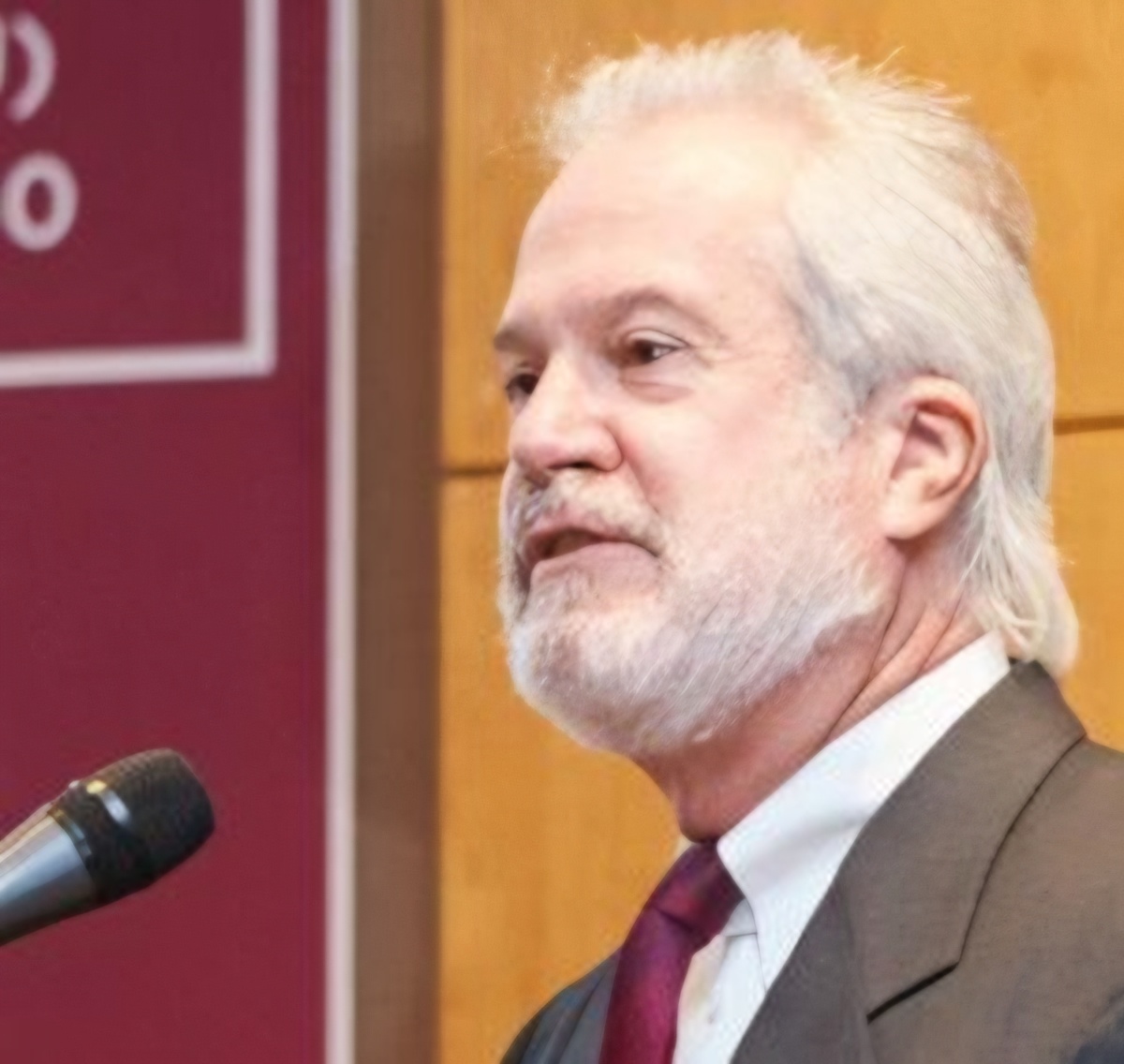
据一位知名的美国半导体分析师称,如果大型科技企业削减推动当前芯片行业繁荣的人工智能相关支出,三星电子和SK海力士可能会面临内存价格大幅下跌的局面。Objective Analysis的创始人兼总经理吉姆·汉迪在接受《韩国时报》采访时表示,由于需求激增导致的内存价格上涨是“暂时的”,这一观点与一些韩国分析师关于当前内存周期可能已接近顶峰的担忧不谋而合。“我认为人工智能领域的需求并不会以如此快的速度增长,因此这些企业很可能会在某个时候放缓支出,而这将导致内存价格暴跌,”汉迪说道。虽然难以预测价格下跌的具体时间,但他认为一旦需求减弱,内存价格最终可能会回落到2024年的水平。汉迪对谷歌、Meta、亚马逊和OpenAI等大型科技公司的支出规模表示了特别担忧。他表示,这些公司大约将40%的营收用于资本支出,其中包括在人工智能计算基础设施上的巨额投资。
“只有当人工智能的需求持续快速增长,足以支撑这些投资时,这样的支出才是可持续的。如果增长速度放缓,这些大型科技企业可能会大幅削减资本支出,从而降低对内存芯片的需求,导致市场供应过剩,”他说。
许多韩国分析师认为,生产水平的上升是威胁价格的主要因素。然而,汉迪认为,如果人工智能投资无法保持目前的增长速度,来自需求方面的风险可能更为严重。在投资者对两家韩国芯片制造商股价大幅下跌的担忧日益加剧之际,这一警告出现了。截至周五,三星电子和SK海力士的股价在过去三个月里分别下跌了约33%和34%,最近的股价暴跌进一步加剧了人们对于内存行业繁荣可能已接近顶峰的担忧。
由于人工智能服务器需求的增加,对高带宽内存及其他高端芯片的订单量上升,芯片制造商从芯片价格的急剧回升中受益。他们强大的定价能力推动了盈利的显著提升,使得三星电子在第三季度获得了全球最高的季度营业利润。
在强劲的盈利表现和强劲的内存需求推动下,这两家公司的股价在6月之前持续上涨,但此后上涨势头已有所放缓。
最近的股价下跌也引发了市场对于人工智能投资热潮能否持续下去的担忧。对于三星和SK海力士而言,这一问题尤为严重,因为它们近期的盈利增长在很大程度上得益于内存价格的飙升。如果大型企业削减支出,由此带来的需求冲击可能会打破推动其实现创纪录盈利的定价优势。
“生产规模受到两年前做出的需求预测的限制,”他说道。“由于实际需求高于这些预测,出现了短缺——而这种短缺使得价格大幅上涨。不过这种增长是暂时的,未来价格将会回落到2024年的水平,”汉迪表示。
汉迪还警告称,经济衰退可能会相当严重。如果当前周期遵循以往内存超级周期的模式,芯片制造商的毛利率可能在大约两个季度内从80%以上降至接近零。据Handy称,对于三星和SK海力士而言,关键风险已不再仅仅是它们能否跟上由人工智能驱动的需求增长,而是这种需求是否足够强劲,足以消化为满足该需求而投入的庞大产能与资金。
阅读更多
专家:马斯克对三星和SK海力士内存芯片定价的批评违背市场规律
原文
Samsung Electronics and SK hynix could face a sharp memory price decline if hyperscalers scale back the artificial intelligence (AI) spending that has driven the current chip boom, according to a renowned U.S. semiconductor analyst.
Jim Handy, founder and general director at Objective Analysis, said in an interview with The Korea Times that the surge in memory prices — caused by a sharp increase in demand — is “temporary,” echoing concerns among some Korean analysts that the current memory cycle may be nearing its peak.
“I do not think that AI demand is growing that quickly, so they are likely to slow their spending at some point, and that will cause memory prices to collapse,” Handy said.
Although the timing of a downturn is difficult to predict, memory prices could eventually fall back to 2024 levels once demand weakens, he said.
Handy has raised particular concerns over the scale of spending by hyperscalers, such as Google, Meta, Amazon and OpenAI. These companies are spending roughly 40 percent of their revenue on capital expenditures, including massive investments in AI computing infrastructure, he said.
"Such spending is sustainable only if AI demand continues to grow rapidly enough to justify the investment. If that growth slows, the big tech firms could sharply reduce capital spending, weakening demand for memory chips and creating an oversupply in the market," he said.
Many Korean analysts have focused on rising production levels as the main threat to prices. Handy, however, argued that the more serious risk could come from the demand side if AI investment fails to maintain its current pace.
The warning came amid growing investor concerns as to the steep stock fall of the two Korean chipmakers. Shares of Samsung Electronics and SK hynix plunged about 33 percent and 34 percent, respectively, over the past three months until Friday, with the latest sell-off amplifying concerns that the memory boom may be nearing its peak.
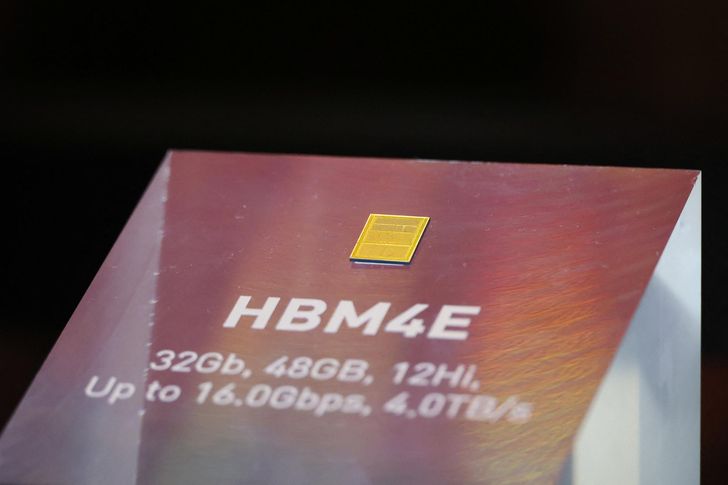
Chipmakers have benefited from a sharp recovery in chip prices, as AI server demand has lifted orders for high-bandwidth memory and other high-end chips. Their strong pricing power has driven a significant improvement in earnings, helping Samsung Electronics post the world’s highest quarterly operating profit in the third quarter.
Buoyed by robust earnings and strong memory demand, their stock prices soared through June, but momentum has slowed.
The latest stock fall has also triggered market fears over the sustainability of the AI investment boom.
The concern is particularly significant for Samsung and SK hynix, whose recent earnings growth has been heavily supported by soaring memory prices. If hyperscalers cut spending, the resulting demand shock could reverse the pricing power that has driven their record profitability.
“Production levels are limited by demand projections made two years ago,” he said. “Since demand has grown higher than these projections, we have a shortage — and that shortage has driven prices very high. That growth is temporary, and sometime in the future prices will fall back to where they were in 2024,” Handy stated.
Handy also warned that the downturn could be severe. If the current cycle follows the pattern of previous memory supercycles, chipmakers’ gross margins could fall from above 80 percent to near zero within roughly two quarters.
For Samsung and SK hynix, the key risk is therefore no longer simply whether they can keep up with AI-driven demand, according to Handy. It is whether that demand will remain strong enough to absorb the enormous amount of capacity and investment being built around it.
Read More
Musk's criticism of Samsung, SK's memory chip pricing runs counter to market logic: expert