社会民生
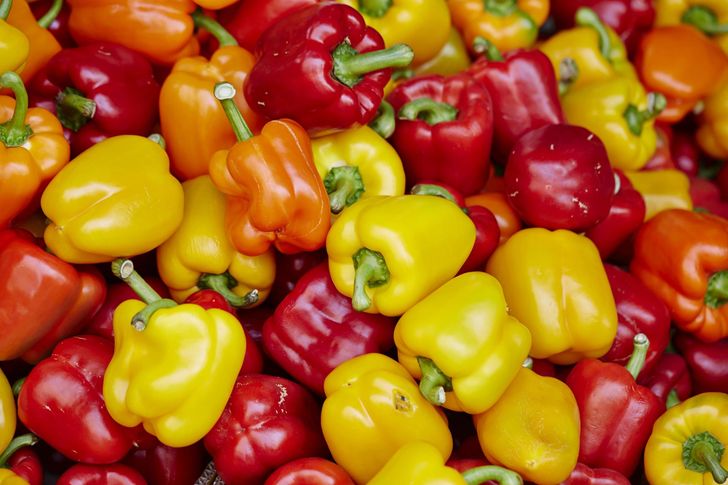
红色、橙色、黄色还是绿色?甜椒的颜色如何体现不同的健康益处
中文译文
点击此处查看Kormedi.com的更多文章。
甜椒不仅能为沙拉和韩国炒面筋等菜肴增添鲜艳的颜色和爽脆的口感,其颜色还能反映其所含的营养成分,不同品种具有不同的营养价值。
从有助于在弱光环境下保持视力的维生素A前体,到能够保护视网膜的化合物,再到有助于提高铁吸收率的维生素C,甜椒的营养成分因颜色而异。
那么,你应该选择哪种颜色的甜椒?又该如何最大限度地摄取其营养价值呢?
红色甜椒:β-胡萝卜素有助于在弱光环境下保持视力
红色甜椒富含β-胡萝卜素,这是一种人体可转化为维生素A的色素。
根据韩国农村发展厅发布的对比数据,在所检测的四种颜色中,红色甜椒的β-胡萝卜素含量最高。β-胡萝卜素是一种天然存在的色素,赋予许多水果和蔬菜黄色和橙色。除了为食物提供颜色外,通过食物摄入的部分β-胡萝卜素会在小肠中转化为维生素A。
维生素A在帮助视网膜感知微弱光线方面起着重要作用。缺乏维生素A会使得眼睛在从明亮环境进入黑暗环境时难以适应,从而降低分辨物体及其轮廓的能力。
该维生素还有助于维持免疫功能,支持皮肤细胞以及鼻腔和口腔黏膜的正常生长与功能。
由于β-胡萝卜素是脂溶性的,与含脂肪的食物一起食用可提高其在小肠中的吸收率。用植物油炒红甜椒,或是在生吃时加入少量含油的调味料,都能帮助身体更有效地吸收这种营养素。橙色甜椒:叶黄素有助于保护视网膜
橙色甜椒中含有叶黄素,这是一种类胡萝卜素,有助于形成眼睛中的黄斑色素。
黄斑位于视网膜中心附近,负责提供清晰的中央视力,使人能够分辨出文字和面孔等细节。
叶黄素和玉米黄质在黄斑中积累,形成黄斑色素,这种色素能够吸收进入眼睛的部分蓝光,并为视网膜细胞提供抗氧化保护。
韩国开展的研究也证实了橙色甜椒中含有叶黄素。
首尔国立大学的研究人员比较了橙色和黄色甜椒品种,以探究导致果实颜色差异的因素。
根据发表在国际科学期刊《植物杂志》上的研究结果,橙色甜椒中的叶黄素和总类胡萝卜素含量高于黄色甜椒。由于人体无法自行产生叶黄素或玉米黄质,因此通过食物定期摄入这些营养素对于维护眼睛健康至关重要。
英国的一个致力于帮助患黄斑疾病患者的组织——黄斑协会指出,玉米和橙色甜椒是富含玉米黄质的食物来源。
因此,在饮食中加入橙色甜椒是一种增加与视网膜健康相关的营养素摄入量的有效方法。
黄色和绿色甜椒:维生素C有助于铁的吸收
黄色和绿色甜椒是维生素C的优质来源,而维生素C是胶原蛋白生成和铁吸收所必需的营养素。
根据农村发展管理局的数据,100克生黄色甜椒大约含有111毫克的维生素C,相同重量的绿色甜椒则含有约162毫克。这些数值分别约为韩国成年人每日推荐摄入量100毫克的1.1倍和1.6倍。
维生素C在帮助身体从豆类和豆腐等植物性食物中吸收铁元素方面起着重要作用。
植物性食物中的铁通常比肉类及其他动物性产品中的铁更难被吸收。维生素C有助于将植物性铁转化为身体更容易吸收的形式。
因此,在同一餐中将甜椒与豆类、豆腐或其他植物性铁来源一起食用,可提高铁的吸收率。
维生素C对于生成胶原蛋白也必不可少,胶原蛋白是一种结构蛋白,有助于支撑皮肤、牙龈及其他组织。
然而,烹饪方法会显著影响甜椒中维生素C的保留量。
由于维生素C是水溶性的且易受热影响,长时间煮沸会降低其含量。为保留更多营养成分,甜椒可以彻底清洗后生吃。如果选择烹饪,通常建议缩短烹饪时间。
本文来自韩国顶尖的医疗健康门户网站Kormedi.com,由生成式AI系统翻译,并经《韩国时报》编辑。
原文
Click here for more articles by Kormedi.com.
Bell peppers do more than add vibrant colors and a satisfying crunch to dishes such as salads and japchae, a Korean stir-fried glass noodle dish. Their colors also offer clues to the nutrients they contain, with each variety providing different nutritional benefits.
From vitamin A precursors that support vision in dim light to compounds that help protect the retina and vitamin C that improves iron absorption, the nutritional profiles of bell peppers vary depending on their color.
So which color should you choose, and how can you get the most out of its nutrients?
Red bell peppers: Beta-carotene supports vision in low light
Red bell peppers are rich in beta-carotene, a pigment that the body can convert into vitamin A.
According to comparative data released by Korea's Rural Development Administration, red bell peppers had the highest beta-carotene content among the four colors examined.
Beta-carotene is a naturally occurring pigment responsible for the yellow and orange hues of many fruits and vegetables. Beyond giving produce its color, some of the beta-carotene consumed through food is converted into vitamin A in the small intestine.
Vitamin A plays an essential role in helping the retina detect low levels of light. A deficiency can make it difficult for the eyes to adjust when moving from a brightly lit environment into darkness, reducing the ability to distinguish objects and their outlines.
The vitamin also helps maintain immune function and supports the normal growth and function of skin cells and the mucous membranes lining the nose and mouth.
Because beta-carotene is fat-soluble, consuming it with foods containing fat can improve its absorption in the small intestine.
Stir-frying red bell peppers in vegetable oil or adding a small amount of oil-based dressing when eating them raw can help the body absorb the nutrient more effectively.
Orange bell peppers: Zeaxanthin helps protect the retina
Orange bell peppers contain zeaxanthin, a carotenoid that contributes to the macular pigment in the eye.
The macula, located near the center of the retina, is responsible for sharp central vision, allowing people to distinguish details such as letters and faces.
Zeaxanthin and lutein accumulate in the macula to form macular pigment, which absorbs some of the blue light entering the eye and provides antioxidant protection to retinal cells.
Research conducted in South Korea has also confirmed the presence of zeaxanthin in orange bell peppers.
Researchers at Seoul National University compared orange and yellow bell pepper varieties to investigate the factors responsible for differences in fruit color.
According to findings published in the international scientific journal The Plant Journal, the orange variety contained higher levels of zeaxanthin and total carotenoids than the yellow variety.
Because the human body cannot produce lutein or zeaxanthin on its own, obtaining these nutrients regularly through food is important for maintaining eye health.
The Macular Society, a British organization supporting people affected by macular conditions, identifies corn and orange bell peppers among dietary sources of zeaxanthin.
Adding orange bell peppers to meals can therefore be a practical way to increase the intake of nutrients associated with retinal health.
Yellow and green bell peppers: Vitamin C boosts iron absorption
Yellow and green bell peppers are particularly useful sources of vitamin C, a nutrient essential for collagen production and iron absorption.
According to data from the Rural Development Administration, 100 grams of raw yellow bell peppers contain approximately 111 milligrams of vitamin C, while the same amount of green bell peppers contains about 162 milligrams.
Those amounts represent roughly 1.1 times and 1.6 times, respectively, the recommended daily vitamin C intake of 100 milligrams for adults in South Korea.
Vitamin C plays an important role in helping the body absorb iron from plant-based foods such as beans and tofu.
Iron from plant sources is generally less readily absorbed than iron found in meat and other animal products. Vitamin C helps convert plant-based iron into a form that the body can absorb more easily.
Pairing bell peppers with beans, tofu or other plant-based sources of iron during the same meal can therefore improve iron absorption.
Vitamin C is also necessary for producing collagen, a structural protein that helps support the skin, gums and other tissues.
However, cooking methods can significantly affect how much vitamin C remains in bell peppers.
Because vitamin C is water-soluble and sensitive to heat, prolonged boiling can reduce its concentration.
To preserve more of the nutrient, bell peppers can be washed thoroughly and eaten raw. If cooking is preferred, shorter cooking times are generally recommended.
This article from Kormedi.com, Korea’s top health care and medical portal, is translated by a generative AI system and edited by The Korea Times.