科技
为什么人们认为近期的技术故障必定存在关联?
中文译文
本文最初发表于PolitiFact。
接二连三地出现问题。
包括微软、联合航空、摩根大通和美国银行在内的多家企业出现了技术故障和系统瘫痪,导致全球范围内的银行服务受阻、航班延误以及工作日秩序混乱。不久之后,万豪和苹果的顾客也遇到了数字系统问题,另有178家公司称在11月16日的网络攻击中受到影响。
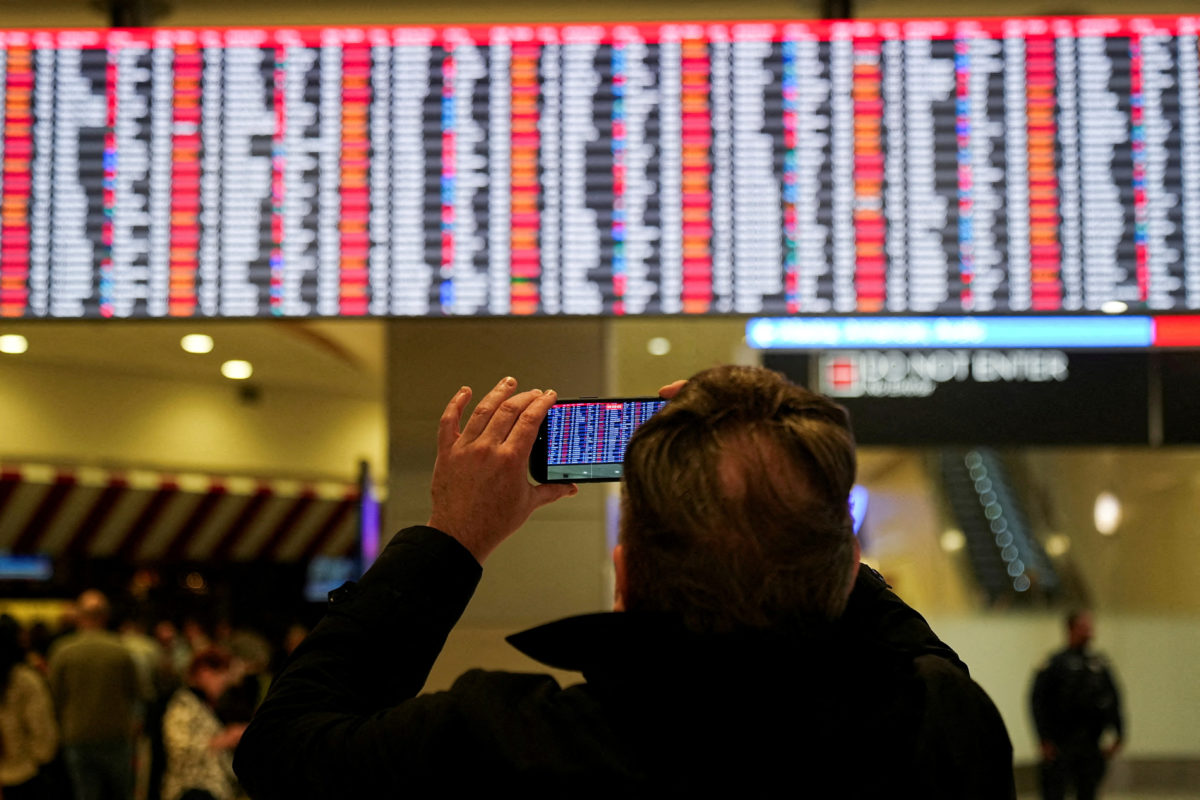
与此同时,美国的多项政府系统——联邦航空管理局、国家安全局和国家气象局——也陷入混乱,甚至出现了罕见的全国性航班停飞情况。对许多人来说,这些接连不断的负面新闻让人感到不安。
观看:日益频繁的技术故障引发对美国网络安全的担忧
“我们正遭受前所未有的攻击,”保守派意见领袖、共和党政治家尼基·黑利的儿子纳林·黑利在11月17日写道,“这是一次人工智能驱动的网络攻击。”在Bluesky上,自称“终身民主党人”且担任政党策略师的克里斯托弗·韦伯质疑这些事件之间是否存在关联。
“巧合???4家大型银行出现系统故障,微软遭遇重大瘫痪,美国联邦航空管理局还下令全国范围内暂停飞行,而这些事件都在短短几天内发生,”他在11月16日写道。
目前可获得的证据更倾向于一些常见的解释,比如例行维护、偶发问题或零星的网络攻击,而非即将发生的系统性崩溃或针对数字系统的协同攻击。
但为何人们很难相信这一点呢?
人类大脑天生会寻找规律并排斥不确定性。
接连不断的事件让情况更加复杂,而11月17日计划中的例行紧急警报系统测试时间也加剧了这种困惑。
人类大脑天生具有建立联系并发现世界中统计规律的能力。“识别模式对于理解世界以及了解因果关系非常重要,”德克萨斯基督教大学心理学教授哈维尔·格拉纳多斯·萨马约亚说道。这种倾向“有时会让人在根本不存在关联的情况下看到联系。”
有一篇关于阴谋论思维的论文就是从抛硬币开始研究的。那些倾向于在随机抛硬币的结果中发现模式的人,更有可能认同阴谋论和超自然信仰。
观看:特朗普称技术故障是“独立事件”,且“已得到控制”
研究还表明,当人们感到无能为力时,他们更有可能察觉到并不存在的模式。
对于那些无法使用工作平台或被困在机场的人而言,无助和困惑是极为常见的感受。这些感受会促使他们接受阴谋论。“人们正在寻找方法来理解正在发生的事情,他们不喜欢那些常常笼罩在事件发展过程中的不确定性,”肯特大学社会心理学教授凯伦·道格拉斯说道。“此外,简单的解释往往缺乏吸引力。人们认为必定存在某种更复杂的解释,或者还有更多人们所不知道的情况。”
人类的偏见以及社交媒体平台可能会加剧这种焦虑情绪。
一系列令人沮丧的技术问题,再加上社交媒体平台上普遍存在的负面偏见,都可能使人们在事情出错时产生过度的情绪反应。
格拉纳多斯·萨马约亚表示,负面偏见意味着负面信息的影响更大,人们也更容易去思考它。在社交媒体上,如果内容使用负面语言或引发强烈的负面反应,就更有可能引发人们的关注并迅速传播。观看:一系列技术问题揭示了美国的数字安全漏洞
据Axios报道,社交媒体算法不断传播一些最为令人担忧的帖文和阴谋论,其中约30%是由疑似机器人推动的,其中一些还可能受到外部势力影响。
在社交媒体上分享阴谋论既容易又快捷,而且很难根除。
道格拉斯表示:“一旦人们相信了某种阴谋论,往往很难让他们改变看法。”
随着普通民众和新闻记者开始更加关注那些原本属于常规情况的系统故障,相关事件和担忧愈发严重。这种情况通常被称为“频率偏差”。
《Thrifty Traveler》的编辑凯尔·波特在11月16日写道:“今天下午联合航空的系统故障实在很平常,要不是过去四天发生的一系列事情,这根本算不上新闻。”
原文
This article originally appeared on PolitiFact.
It's been one thing after another.
Companies including Microsoft, United Airlines, JPMorgan Chase and U.S. Bank experienced technical issues and outages that caused widespread banking issues, delayed plane departures and interrupted workdays across the world. Soon after, Marriott and Apple customers also experienced digital problems, and 178 companies reported being affected by a Nov. 16 cyberattack.
At the same time, various U.S. government systems — the Federal Aviation Administration, National Security Agency and National Weather Service — fell into disarray, including a rare nationwide ground stop. For many people, the pile-on of concerning news alerts had a sinister feel.
WATCH: Mounting tech disruptions raise concerns about U.S. cybersecurity
"We're under attack in a way we've never seen before," wrote Nalin Haley, a conservative influencer and son of Republican politician Nikki Haley, on Nov. 17. "This is an AI cyberattack."
On Bluesky, Christopher Webb, a self-described "lifelong Dem" and party strategist, questioned whether the issues were connected.
"Coincidence??? 4 major banks reporting outages, a massive Microsoft disruption, and a nationwide FAA ground stop, all within days of each other," he wrote Nov. 16.
The best available information points to mundane explanations such as routine maintenance, one-off problems or isolated cyberattacks, rather than an imminent systemic collapse or a coordinated attack on digital systems.
But why can that be hard to believe?
Human brains naturally detect patterns and reject uncertainty
The rapid-fire succession of events didn't help. Neither did the timing of a planned, routine Nov. 17 test of the country's Emergency Alert System.
Human brains are wired to make connections and spot statistical regularities in the world.
"Detecting patterns is important for perceiving the world and learning about cause and effect," said Javier Granados Samayoa, a Texas Christian University psychology professor. This tendency "can sometimes lead people to see connections where none may exist."
One paper about conspiracy thinking started with a coin toss. People who reported a tendency to notice patterns in a random string of coin tosses were more likely to also endorse conspiracy theories and supernatural beliefs.
WATCH: Cascade of tech outages 'separate events' and 'under control,' Trump says
Research also shows that when people lack control, they're more likely to detect nonexistent patterns.
For people unable to access their work platforms or stuck at airports, powerlessness and confusion were all too familiar feelings. Those feelings contribute to embracing conspiracy theories.
"People are looking for ways to understand what is going on and they don't like the uncertainty that often surrounds unfolding events," said Karen Douglas, a University of Kent social psychology professor. "Also, a simple explanation is often not very appealing. People assume that there must somehow be a bigger explanation, or more going on than people know about."
Human biases and social media platforms can intensify the anxieties
The flurry of frustration-inducing technical issues coupled with the known negativity bias observed across social media platforms can set people up to have outsized emotional reactions when things go wrong.
Negativity bias means that negative information has a stronger impact and people tend to think about it more, said Granados Samayoa. On social media, content is more likely to prompt engagement and go viral if it uses negative language or prompts a strong negative reaction.
WATCH: What a string of tech problems reveals about America's digital vulnerabilities
Social media algorithms have continuously circulated some of the most alarming posts and conspiracy theories — an estimated 30% of which were pushed by suspected bots, including some with potential foreign influence, Axios reported.
Sharing conspiracy theories on social media is easy, fast and difficult to untangle.
"Once people believe in a conspiracy theory, it is often difficult to convince them otherwise," Douglas said.
The events and concerns compounded as regular people and news reporters all began paying more attention to outages that would otherwise be routine. That's commonly called frequency bias.
"United's outage this afternoon is so pedestrian, it'd be a non-story if not for what's happened the last four days," Kyle Potter, an editor at Thrifty Traveler, wrote Nov. 16.