社会民生
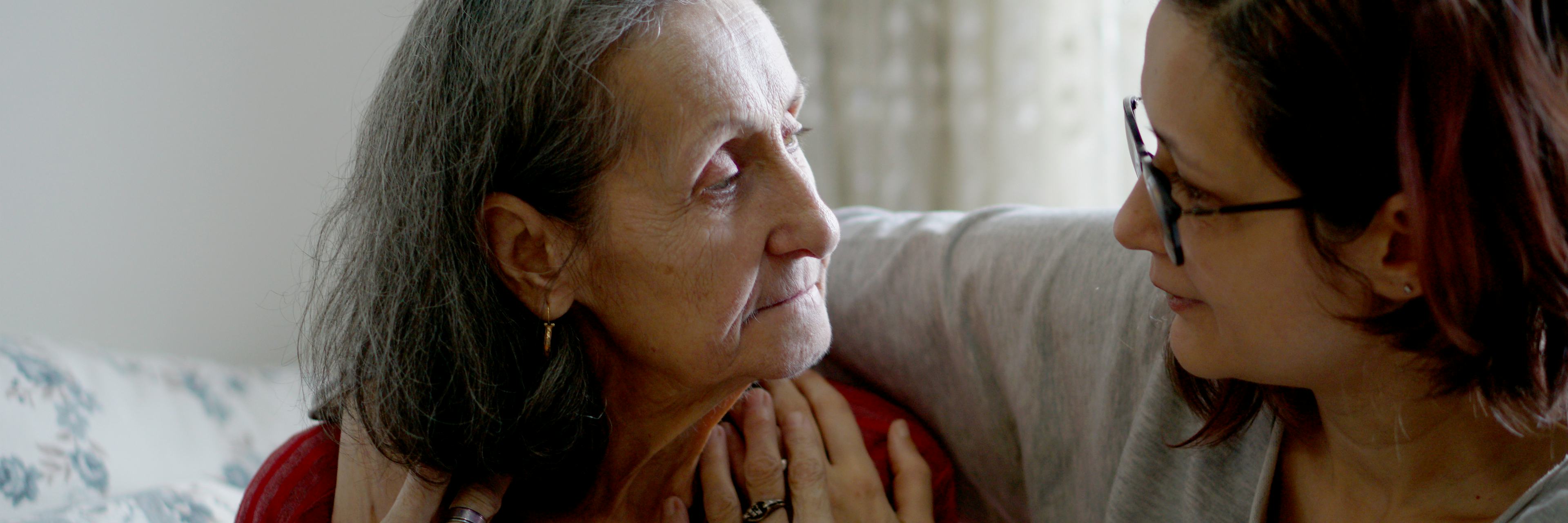
无论是“姐姐”还是自己的亲姐姐,照顾年迈父母给女性带来的负担绝非小事。
中文译文
《周六夜现场》中那段关于女儿们照顾年迈父母的短剧《姐姐》,让很多人感同身受。
这段虚构的广告中,有几位男子表示他们爱自己的父亲,但不愿为了照顾他或处理他的慢性疾病而打乱自己的生活。于是他们选择了一项免费的服务——只需给姐姐发短信“爸爸摔倒了”。
“多年根深蒂固的性别歧视让《姐姐》认为照顾父母是她的责任,而非你的责任,”一名穿着类似医生白大褂的男子解释道。
观看这段短剧时我感到心疼,因为我的姐姐卡罗尔曾无偿全职照顾我们的母亲超过十年。2018年,我为《对话》杂志撰写关于照顾老年人的经济负担的文章时,首先讲述了卡罗尔的故事。
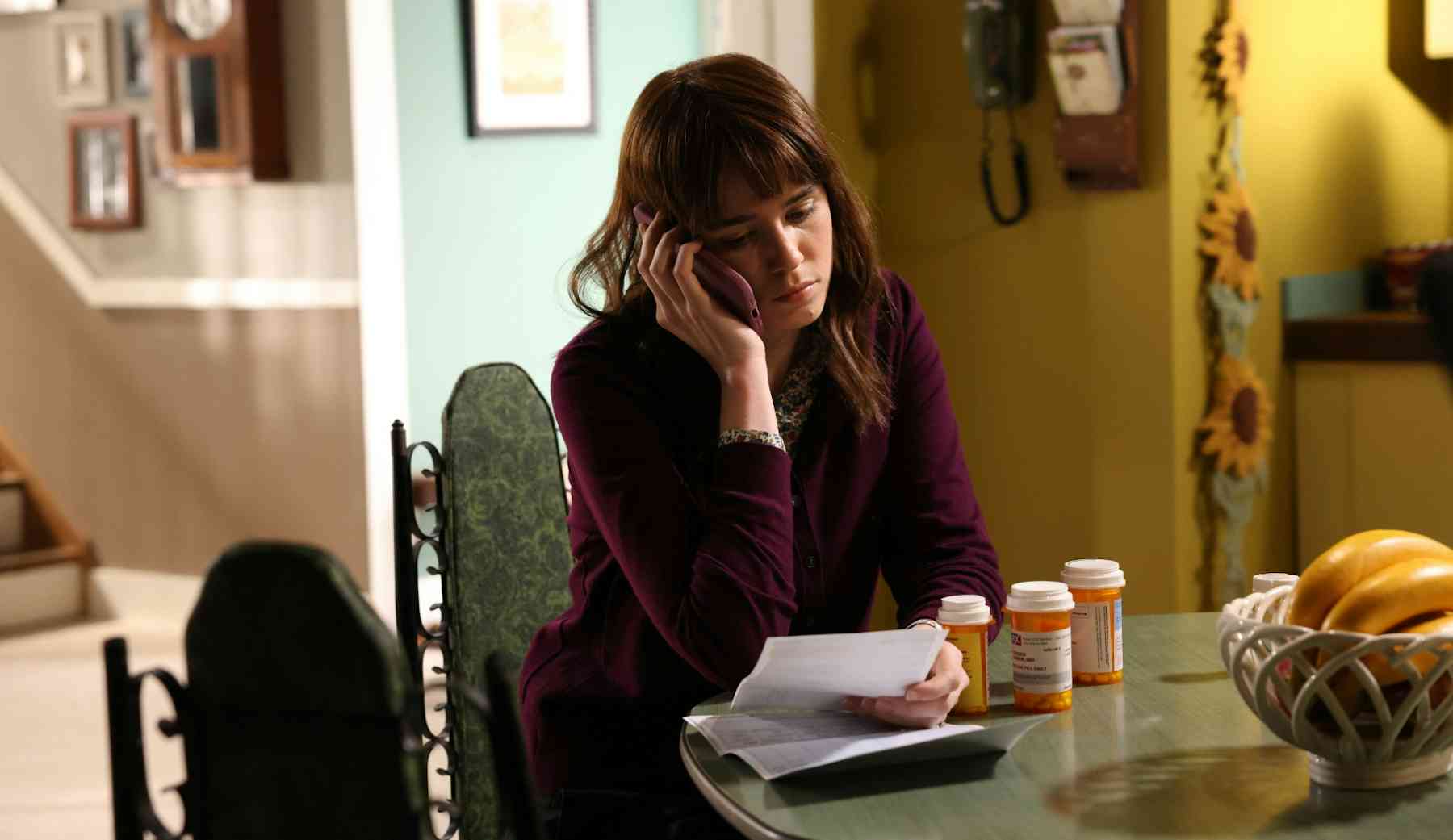
这一现象日益普遍。《姐姐》这部剧之所以能产生如此强烈的震撼力,一个原因在于我们中有更多人曾身处女主角的境地。剧中,简·威克琳饰演一位疲惫不堪的照护者,约翰·穆拉尼则饰演她那自大的兄弟。
当时,我的姐姐是4350万为亲人提供照护服务的美国人之一。这一数字此后上升至6300万——约占四分之一的成年人。
如今,与2018年一样,家庭成员所提供的照护服务大多是无偿的。而这类劳动在政府估算经济活动规模时并未被计入。但这并不意味着这些工作没有价值——据估算,其价值约为1万亿美元。
警告:《姐姐》可能引发情绪崩溃
家庭照护者让许多老年人能够继续住在自己家中。这不仅能提升老年人的幸福感,还能降低他们住院和入住养老院的费用。但让他们能够在家中安度晚年,是需要付出代价的。照顾他人是一项艰巨的工作,多年来众多研究都发现,照顾者所承受的身体和心理压力比其他人更大。
正因如此,在“Sister”广告的结尾,播音员以通常用于描述药物不良副作用的快速语速提醒道:“Sister可能会在毫无预警的情况下出现故障。”
家庭照顾者需付出代价
照顾他人或许可以节省本可能用于聘请家庭护工或支付养老院费用的资金,而这些对于许多家庭来说都是难以承担的。家庭护理的平均费用为每小时35美元,若需要24/7全天候护理,每月费用将超过25,000美元。而美国家庭的年均收入中位数为87,460美元。
但对于那些为父母或其他亲人无偿提供照顾的人来说,这同样是一笔巨大的代价。
超过90%的照顾者不得不减少工作时间,这通常会导致他们的工资、雇主提供的退休福利以及社会保障福利下降。他们中的一些人,比如那个小品里的“姐姐”——还有我自己的姐姐——最终放弃了有报酬的工作,来从事这份没有报酬的护理工作。
AARP估计,那些出生于1981年至1985年之间且仍在从事有报酬工作的人,由于将时间用于护理工作,其一生中的收入平均会减少120,500美元。此外,这些护理者每年还需自掏腰包支付7,000多美元用于房屋改造及其他护理所需物品。
“女儿惩罚”
社会学家发现,有姐姐的男性比没有姐姐的男性承担更少的育儿护理工作。他们还发现,有兄弟的女性比没有兄弟的女性承担更多的护理工作。女性所面临的这种额外的护理负担有时被称为“女儿惩罚”或“女儿税”。社会心理学家托妮·施马德和卡塔琳娜·布洛克阐述了人们以各种方式向儿童灌输“关怀是女性特质,冷漠是男性特质”这一观念,尽管在照顾能力方面并不存在明显的性别差异。
经济学家对就业和收入方面性别差异的解释最初集中在教育程度和经验差异上。如今,像我这样的经济学家也认识到社会规范在决定谁从事某些工作以及他们的薪酬水平方面所起的作用,包括家庭中谁来照顾年迈的亲属。
不过也有一些好消息——即便对“苏珊”来说不是,但对其他一些女性来说却是:有越来越多的证据表明,照顾工作方面的性别差距正在缩小。根据2024年发表的一项研究,属于婴儿潮一代——即1944年至1964年间出生的人——的女性照顾者做家务的时间是男性照顾者的三倍。而在千禧一代——即1980年至1985年间出生的人——中,这种性别差异要小得多,主要是因为这一代的女性做家务的时间更少。
原文
“Sister,” the “Saturday Night Live” sketch about daughters who take care of their aging parents, hit home for a lot of people.
The make-believe ad features several men who say they love their father but don’t want to interrupt their own lives to help him or deal with his chronic health conditions. So they’ve turned to a handy service, which costs nothing, by texting “Dad fell” to their sister.
“Years of internalized sexism warps Sister’s brain into thinking caretaking is her responsibility, and somehow not yours,” a man in a doctor-evoking white coat explains.
I winced as I watched the sketch because my own sister, Carol, provided full-time, unpaid care for our mother for more than a decade. In 2018, when I wrote about the daunting economics of caregiving for older adults for The Conversation, I led with Carol’s story.
A growing trend
One reason “Sister,” which stars Jane Wickline as an exhausted caregiver and John Mulaney as her smug brother, packed such a big punch is that more of us find ourselves in her shoes.
My sister was one of 43.5 million Americans providing care to a loved one at the time. That number has since risen to 63 million – about 1 in 4 adults.
The care family members provide today, as it was in 2018, is mostly unpaid. And it’s labor that isn’t counted when the government estimates the scale of economic activity. That doesn’t mean it’s not valuable work – estimates put its value at about US$1 trillion.
Warning: ‘Sister’ may break down
Family caregivers make it possible for many older people to remain in their homes. That, in turn, can make an aging person happier and reduces the costs of their stays in hospitals and nursing homes. But their freedom to age in place comes at a price.
Caregiving is tough work, and numerous studies over the years have found that caregivers suffer more physical and emotional stress than other people.
That’s why at the end of the “Sister” ad, the announcer speaks in the rapid-fire speedtalking normally reserved for a drug’s unpleasant side effects as he cautions: “Sister may break down without warning.”
Family caregivers pay a price
Caregiving may save money that might otherwise be spent on home health aides or assisted living fees, both of which are beyond the means of many families. The average cost of in-home care is $35 per hour, totaling over $25,000 a month for 24/7 care. Compare that to a median annual household income of $87,460.
But it is costly for the caregivers to do this unpaid work for their parents or other loved ones.
Over 90% of caregivers must cut their work hours), which typically reduces their wages, employer-provided retirement benefits and Social Security benefits.
Some of them, like “Sister” in the sketch – and my own sister – end up quitting their paid jobs to do this unpaid one.
AARP estimates that family caregivers who were born between 1981 and 1985 and are in the paid workforce will lose on average $120,500 in income over their lifetimes because of their time devoted to caregiving. Caregivers also incur over $7,000 annually on average in out-of-pocket expenses for home modifications and other caregiving necessities.
A ‘daughterhood penalty’
Sociologists have found that men with a sister do less parental caregiving than men without a sister. They have also found that women with a brother do more caregiving than women without a brother. This extra caregiving burden women face is sometimes called the “daughterhood penalty,” or tax.
Social psychologists Toni Schmader and Katharina Block explain the various ways children are taught that caring is a feminine trait and being uncaring is masculine, although there’s no obvious gender differences in caregiving ability.
Economists’ explanations of gender differences in employment and earnings initially focused on differences in education and experience. Now, economists like me also recognize the role that social norms play in determining who works in certain jobs and how much they’re paid, including who in the family will take care of aging relatives.
But there is some good news – if not for “Sister,” then for some other sisters out there: growing evidence that the gender gap in caregiving is narrowing.
Female caregivers who belong to the baby boom generation – people born 1944-1964 – spent three times more time doing household chores than their male counterparts, according to a study published in 2024. This gender difference was much smaller among caregivers who were millennials – people born 1980-1985, mostly because women in that generation spent less time doing household chores.