社会民生
民主党人会终结新罕布什尔州的座椅安全带自由政策吗?
中文译文
本月的“蓝潮”波及多个州的选举结果,其中包括新罕布什尔州。在該州,民主党人赢得了400个众议院席位中的293个,以及24个参议院席位中的15个,从而改变了共和党对州立法机构的控制局面。民主党在州议会中的压倒性优势可能意味着对许多新罕布什尔人来说至关重要的一个象征性骄傲的终结——那就是该州独特的自由主义式安全带法规。
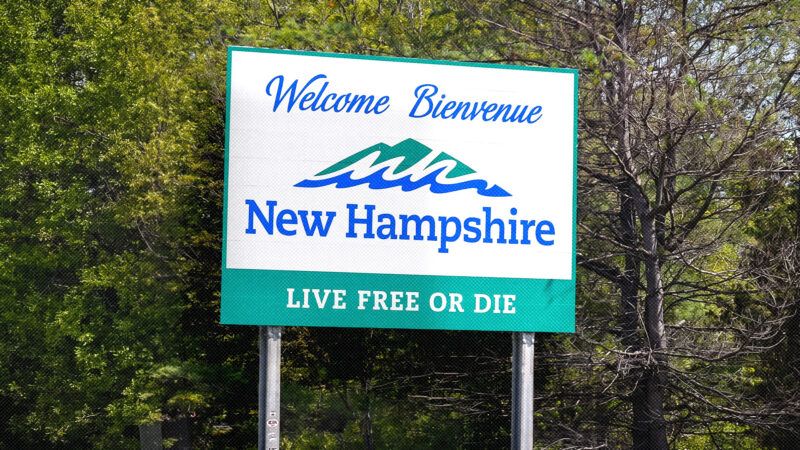
秉承“自由生存,否则去死”的理念,新罕布什尔州是美国唯一一个不要求成年人系安全带的州(不过未成年人必须系安全带)。在1984年纽约州成为第一个强制要求系安全带的州之后,全美其他地区也相继出台了类似法规。到1996年,只有新罕布什尔州仍坚持自己的原则。该州的左倾立法者多次试图推行这一规定,但均以失败告终。1979年的第一项相关法案被州参议院裁定“不宜立法”,此后立法者又九次做出相同裁决,最近一次是在2023年。新罕布什尔州的立法者将个人自由作为反对安全带法规的理由之一。1986年,时任美国众议员的贾德·格雷格(共和党,新罕布什尔州)给交通部长伊丽莎白·多尔写了一封信,称:“新罕布什尔州的民众已经明确表示,他们希望将此事交由个人自行决定。”毕竟,政府为何要因人们没有保护自己而惩罚他们呢?格雷格担心交通部会扣留联邦公路资金,以此向各州施压使其遵守规定(该部门此前曾用过这种手段来推行全国统一车速限制以及将最低饮酒年龄提高到21岁)。他的担忧是有根据的,因为从1991年起,该部门就开始对那些没有安全带法规的州在发放部分公路资金时设置条件。同时,它也会为那些制定了相关法规的州提供额外补贴。
2007年,在投票否决一项拟议中的安全带强制法规后,新罕布什尔州共和党参议员罗伯特·克莱格对《纽约时报》表示,他投票反对这项限制是因为“这能保持新罕布什尔州不屈服于联邦政府贿赂的立场”。对于一些当代立法者而言,这个问题关乎政府的合法职责。现任州众议院交通委员会副主席、共和党人泰德·戈尔斯基(来自贝德福德)对《理性》杂志表示,强制要求系安全带“会侵犯新罕布什尔州民众的隐私权及自然权利”。尽管有些人可能认为这是个不值得为之抗争的问题,但戈尔斯基称:“即便面对最微小的问题,你也必须捍卫自由,否则它就会逐渐从你手中被夺走。”
戈尔斯基认为,随着民主党重新掌权,立法机构可能会在接下来的两年内试图通过这项强制规定。最接近通过安全带法案的时机是在2009年,当时民主党在立法机构的两院都占据多数席位。那项提案在州众议院获得通过,但在参议院因4名民主党人支持10名共和党人而未能通过。尽管民主党人如今掌握了多数席位,或许有助于推动安全带佩戴规定的通过,但仍存在诸多障碍——其中包括立法者缺乏政治意愿。2023年相关法案的提案人、州众议员丹尼尔·维勒厄(民主党,阿默斯特选区)向《Reason》杂志表示,他并不打算在2027年提出“类似的成人安全带佩戴规定”。虽然这一承诺令人期待,但像众议院议长亚历克西斯·辛普森(民主党,埃克塞特选区)这样的党派领袖却投票支持了2023年的相关规定。再加上该州民主党历来试图对安全带使用进行监管,因此很难将维勒厄的话视为确定的承诺。
即便立法机构真的通过了相关法案,以压倒性优势再次当选的共和党州长凯利·艾奥特也有可能否决它。维勒厄称:“即便民主党占多数,法案通过也并非板上钉钉。”
系安全带是个明智的选择,很可能会挽救你的生命。但人们应该有权自己决定安全和风险问题,而非由政府来替他们做决定。2017年,新罕布什尔州公共广播电台对安全带使用问题进行了调查,询问康科德街头的人们对当年拟议中的强制规定有何看法。当被问及成为全国其他地区的例外是否是个问题时,一位路人表示:“我觉得没问题……毕竟这是该州的座右铭所在。”
原文
This month's "bluenami" rippled down the ballot in many states, including New Hampshire, where Democrats captured 293 of 400 House seats and 15 of 24 Senate seats, flipping the GOP's control of the Legislature. The Democrats' overwhelming party control could signal the end of a vestigial point of pride for many New Hampshirites: the state's uniquely libertarian seat belt laws.
Honoring its motto of "Live Free or Die," New Hampshire is the only state in the country that does not require adults to wear seat belts (though minors must wear them). After New York became the first state to mandate seat belts in 1984, a cascade of new laws followed across the rest of the country. By 1996, New Hampshire alone stood on its principles. Left-leaning lawmakers in the state have routinely tried, and failed, to implement the regulation. The first bill in 1979 was voted "inexpedient to legislate" by the state Senate, a verdict that legislators have decreed nine more times since, most recently in 2023.
New Hampshire lawmakers have cited personal freedom as one reason for opposing seat belt laws. In 1986, then-U.S. Rep. Judd Gregg (R–N.H.) wrote a letter to Transportation Secretary Elizabeth Dole, saying: "New Hampshire citizens have made it clear that they prefer this matter left to the discretion of the individual." After all, why should the government punish you for not keeping yourself safe?
Gregg worried the Transportation Department would withhold federal highway funds to pressure states into compliance (a tactic it had used before to implement a national speed limit and raise the minimum drinking age to 21). His concerns were well founded, as the department began in 1991 to condition the disbursement of some highway funds in states without seat belt laws. It also began providing extra benefits to states with mandates.
After voting to reject a proposed seat belt mandate in 2007, state Sen. Robert Clegg (R–Hudson) told The New York Times that he voted against the restriction because, "it preserves New Hampshire's way of not succumbing to the bribes of the federal government."
For some contemporary lawmakers, the issue is a question of the legitimate role of government. State Rep. Ted Gorski (R–Bedford), the current vice chairman of the state House Transportation Committee, tells Reason that a seat belt mandate "would infringe on [New Hampshirites'] privacy rights and their natural rights." Though some may think it is an unusual hill to die on, Gorski says, "with even the smallest issues you have to defend liberty, else it will be taken away from you, slowly but surely."
Gorski believes that with the Democrats back in power, the Legislature may try to approve a mandate in the next two years. The closest a seat belt bill came to passing was in 2009, when Democrats held a majority in both chambers of the Legislature. That proposal made it through the state House but died in the Senate after four Democrats sided with 10 Republicans.
While the Democrats' newfound majority might make it easier to pass a seat belt mandate, several obstacles remain—including a lack of political appetite from lawmakers. State Rep. Daniel Veilleux (D–Amherst), who sponsored the 2023 bill, tells Reason he did not plan to introduce a "similar adult seat belt mandate in 2027." While this pledge is promising, party leaders like House Speaker Alexis Simpson (D–Exeter) voted in favor of the 2023 mandate. That, along with the state Democratic Party's history of trying to regulate seat belt use, makes it hard to take Veilleux's words as a firm guarantee.
If the Legislature does pass a bill, Republican Gov. Kelly Ayotte, who handily won reelection, could veto it. "Even with a Democratic majority, passage is not guaranteed," says Veilleux.
Wearing a seatbelt is a wise choice. It will probably save your life. But people should be allowed to make their own decisions about safety and risk, rather than having the government decide.
New Hampshire Public Radio investigated the seat belt debate in 2017, asking people on the streets of Concord what they thought about that year's proposed mandate. When asked if being the exception to the rest of the country was a problem, one passerby said: "I think it's fine…The state motto and all."