财经市场
康宝莱韩国在30年的信任基础上开启新篇章
中文译文
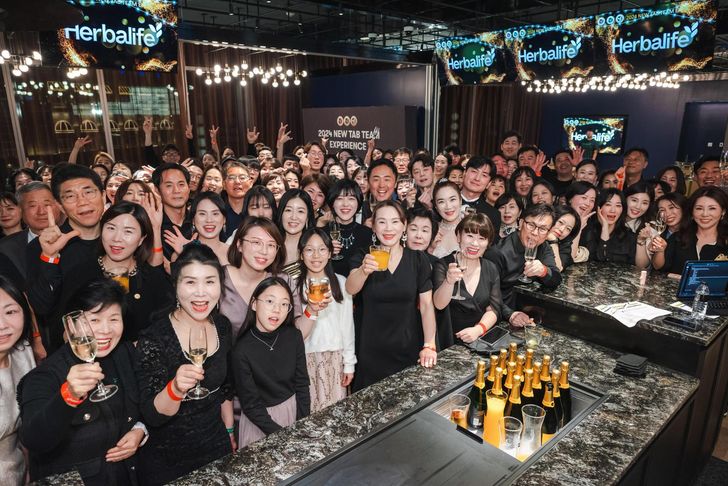
赫尔巴莱夫韩国公司总经理肖恩·钟表示,该公司在韩国的下一阶段发展将依赖于长期的客户关系,而非单次交易。目前该公司正在通过改革经销商的薪酬体系并引入人工智能工具,来庆祝其在韩国成立30周年。
他称,该公司一直致力于帮助韩国人养成健康的营养习惯,并认为可持续的发展源于在单次销售之外保持客户信任。
自1996年进入韩国市场以来,随着消费者需求的转变,赫尔巴莱夫的产品范围也从体重管理产品扩展到了日常营养品、蛋白质产品、运动营养品以及与美容相关的健康产品。在最初的那十年里,该公司主要专注于其旗舰产品Formula 1奶昔系列,旨在在一个以实体店铺和面对面销售为主的市场中,帮助人们实现营养均衡和养成健康饮食习惯。从2006年到2015年,网上购物和大型超市的快速发展加剧了市场竞争。在此期间,康宝莱注重与客户保持持续沟通,并建立客户社群,帮助那些难以独自坚持健康习惯的客户,从而将自身的角色从单纯的产品销售者拓展到更多层面。
据钟先生所说,为支持这一策略,独立经销商提供的个性化指导仍然至关重要。保持健康的生活习惯需要持续的努力。经销商会了解客户的目标、饮食状况及生活环境,帮助他们实现更健康的生活方式。他们在推荐产品之前会先向客户解释相关的营养需求,并根据个人情况提供个性化的使用指导,包括针对体重管理和肌肉健康的建议。
在产品送达后,经销商会继续为客户提供鼓励和支持,帮助他们保持均衡的饮食和锻炼习惯。“虽然传统零售能让消费者便捷地获取各类产品,但康宝莱致力于提供个性化的营养指导及持续性的辅导服务,”郑在接受《韩国时报》采访时说道。
“康宝莱的优势在于,在客户购买产品后,有专门的人员和团队帮助他们保持健康的生活习惯。”
消费者对品牌的信任也源于产品品质。康宝莱的“从种子到食物”体系对从原料采购到成品生产的各个环节都进行质量管控。其由200多名科学家、医生和营养专家组成的全球网络为产品开发及消费者教育提供支持。
郑表示,该公司的分销商培训计划禁止夸大宣传,声称产品能够治疗疾病。公司还劝阻消费者进行不必要的购买,并实行退款政策,将负责任的销售方式与其三十年来建立起来的品牌信任紧密相连。Herbalife Korea还致力于与当地社区建立联系。这些举措包括2007年成立的Casa Herbalife项目,旨在资助一家儿童福利院Sang Rok Won。在近二十年的时间里,该公司员工和经销商一直自愿参与这项工作,为儿童提供营养支持并促进其健康成长。
该公司还开始赞助体育赛事,以推广营养和体育活动,首项赞助活动是2008年的秋夕摔跤锦标赛。此后,其赞助范围还扩展到了韩国棒球组织Kiwoom Heroes队、韩国举重联合会以及大邱马拉松赛事。自2016年起,康宝莱韩国还与韩国的各类科学机构建立了合作关系。它与韩国糖尿病协会携手,共同开展针对内分泌学教授、糖尿病教育护士以及临床运动专家的培训项目。此后,在2020年又与韩国营养学会达成合作协议,并于2021年设立了旨在支持年轻营养研究人员的奖项。
今年9月,该糖尿病领域的合作进一步扩展,将针对糖尿病前期人群的健康自信计划也纳入其中。
未来30年
郑先生将这一周年纪念日视为为未来30年进行结构重组的起点。
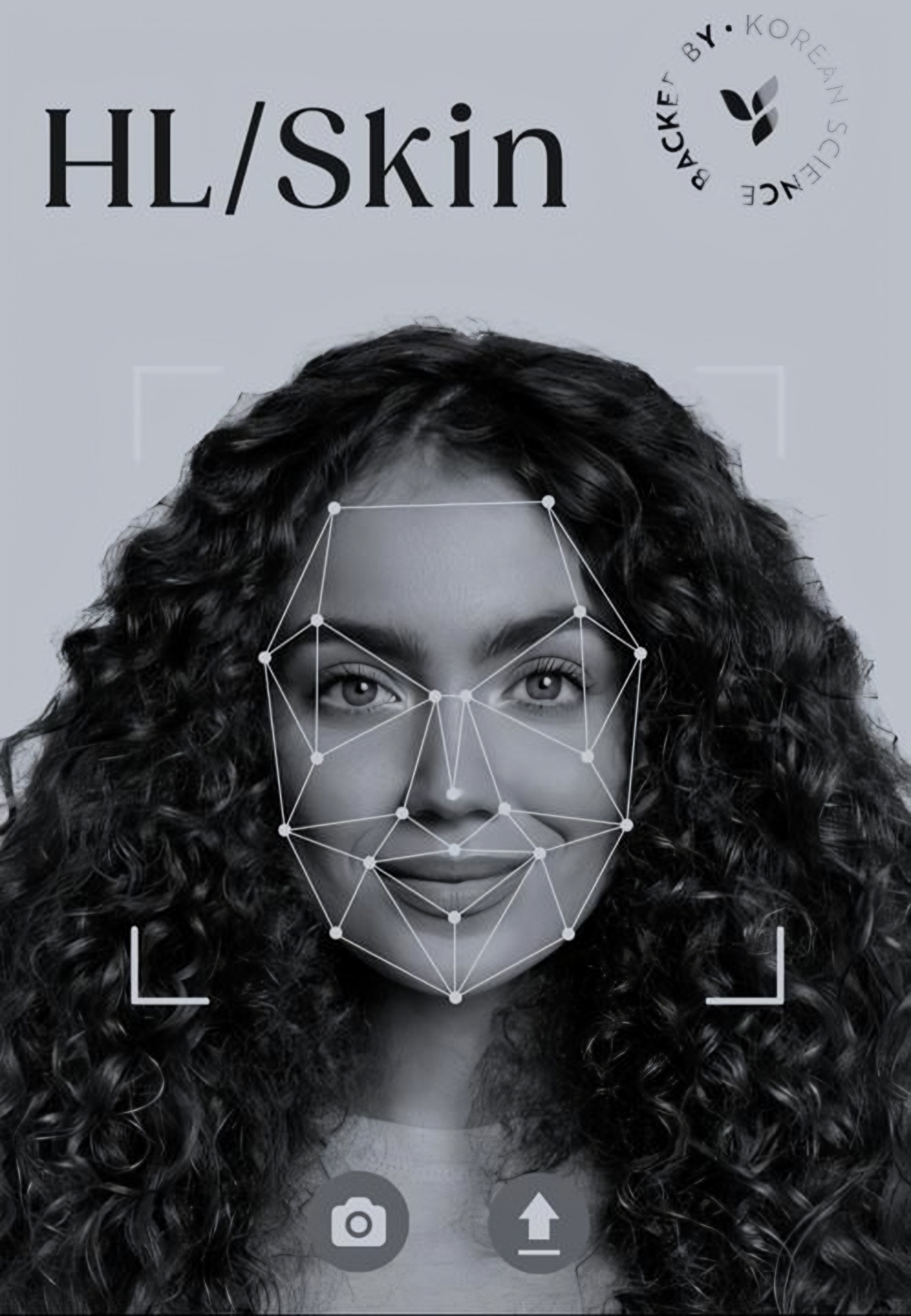
“我们庆祝30周年并非仅仅为了回顾过去。我们在保留现有合作关系的同时,也在重新设计能够维持这些关系的架构,”他说。今年早些时候,康宝莱推出了新的市场计划,对经销商的薪酬制度进行了调整,不再采用相对统一的全球体系,而是根据各运营国家的实际情况制定更为个性化的方案。在韩国这个数字化程度较高的国家,兼职和多种收入来源十分普遍,该公司旨在满足经销商不同的状况和目标,为新人创造更多机会,并助力现有经销商的发展。为减轻工作负担,该公司还开发了各类人工智能工具,让经销商有更多时间了解客户的生活方式并保持沟通。与HL/Skin护肤品系列一同推出的HL/Skin.ai是一款基于人工智能的皮肤分析系统,它会在通过智能手机进行面部扫描之前,先询问用户的年龄和皮肤类型。在60秒内,该工具就能给出涵盖保湿、瑕疵、皱纹、黑眼圈、肌肤质地、色调、紧致度以及出油状况的全面肌肤评分,并提供相应的产品推荐。
不过,郑表示,这些工具无法取代人类,了解个人具体情况并倡导健康的生活方式仍是人类的责任。
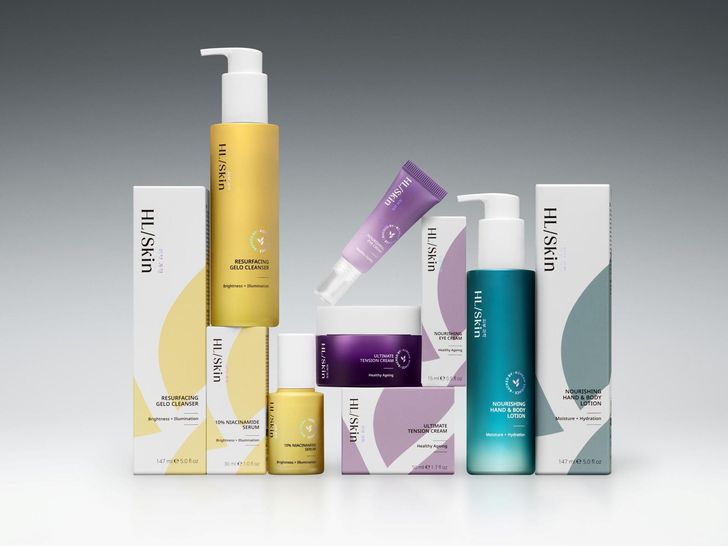
“我们正在考虑让人工智能回答常见产品相关问题等功能,同时也在开发一个新的数字平台,以支持亚太地区分销商的业务活动,”郑说道。“我们将通过新的市场策略和人工智能技术继续为分销商的业务提供支持,同时为顾客提供更便捷、更周到的服务。”此次业务重组还包括产品线的扩展。该公司于2016年在韩国推出的运动营养品牌Herbalife24,去年新增了速溶型泡腾维生素产品Liftoff Powder。今年3月,该品牌又推出了HL/Skin产品。这些新增产品旨在满足各种需求,包括蛋白质摄入、肌肉健康、健康衰老以及与美容相关的健康问题。
产品线的扩展反映了在智能手机、社交媒体以及COVID-19疫情影响下经历的十年变革,这些因素使得在线搜索和购物成为人们日常生活的一部分。随着消费者的兴趣从减肥和外观改善扩展到营养、运动、睡眠、压力管理以及皮肤健康等领域,Herbalife也相应地扩展了产品种类并提升了自身的专业技术,以满足这些不断变化的需求。
韩国市场的重要性韩国正成为康宝莱不断调整战略的早期试验场。作为全球首批引入新薪酬计划的市场之一,这体现了该公司总部对韩国战略重要性的认可。
“韩国是一个能够迅速接受变革的市场,也是最先证明这些变革行之有效的市场,”他说道。
郑表示,尽管韩国的保健补充品市场规模小于美国和中国,但消费者对相关产品的了解程度以及尝试新产品的意愿提升了整个行业的标准。据韩国健康功能性食品协会的数据,去年该国内市场的价值接近6万亿韩元(约合45亿美元),其中84%的消费者在一年内会再次购买,这表明保健补充品已成为人们日常消费的一部分。郑表示,消费者越来越注重仔细查看产品成分、剂量、产品质量、科学依据以及企业的信誉,而非依赖他人的推测或推荐。他补充说,HL/Skin系列产品的推出正是为应对那些注重美容的消费者在维护健康与外在形象方面的日益增长的需求。
为更好地服务韩国市场,康宝莱将全球专业技术与当地消费者熟悉的成分及口味相结合。Formula 1系列产品推出了针对不同市场消费者偏好的多种口味,而在韩国销售的红参凝胶则采用在韩国种植的六年生红参。
郑说:“韩国是一个对新产品充满兴趣,且对品质和信任度要求极高的市场。这样的市场环境促使企业不断改进产品和服务。”
“康宝莱在韩国相对较快地采用了新的市场策略,这也体现了全球总部对韩国市场的重视程度。”随着韩国逐渐成为超级老龄化社会,健康长寿的重要性已超越了单纯延长寿命这一目标。郑强调了肌肉健康、均衡营养以及定期进行体育活动的重要性。该公司还在研究使用减肥药物后体重迅速下降情况下的营养需求,重点关注均衡的营养摄入与肌肉维持。
对郑而言,个性化意味着摒弃一刀切的建议,转而提供根据个人年龄、生活方式和健康目标量身定制的产品与指导。数字服务应让相关信息更易于获取,而教练和社区则应帮助消费者将这些建议转化为日常习惯。他表示,这种结合将为公司在未来几十年里专注于个性化营养与健康长寿奠定基础。“在过去的30年里,康宝莱已从一家以体重管理产品为主的公司发展成一家提供全方位营养与健康服务的企业。我们现在致力于打造一个全球性的高端健康与 wellness平台,将个性化营养方案、数字技术以及以人为中心的辅导服务相结合,”钟表示。
“30年后,我希望康宝莱韩国公司不仅能因提供优质的营养产品而被人们铭记,更能为塑造健康的生活方式做出有意义的贡献。”
原文
Herbalife Korea’s next phase of growth will depend on lasting customer relationships rather than individual transactions, Herbalife Korea General Manager Sean Chung said, as the company marks its 30th anniversary in Korea by overhauling distributor compensation and introducing AI tools.
The company’s history has been about helping Koreans build healthy nutrition habits, he said, arguing that sustainable growth comes from maintaining trust beyond a single sale.
Since entering Korea in 1996, Herbalife has expanded from weight management products into everyday nutrition, protein, sports nutrition and beauty-related wellness as consumer priorities have evolved. Its first decade centered on its flagship Formula 1 shake brand, balancing nutrient intake and healthy eating habits in a market dominated by physical stores and face-to-face sales.
From 2006 and 2015, the rapid growth of online shopping and hypermarkets intensified competition. During this period, Herbalife emphasized ongoing communication and communities that helped customers maintain habits they found difficult to sustain on their own, extending its role beyond simply selling products.
To support this approach, one-on-one coaching by independent distributors remains central, according to Chung. Maintaining healthy routines requires ongoing effort. Distributors assess customers’ goals, diets and circumstances to help them achieve healthier lifestyles. They explain nutritional needs before recommending products and tailor usage guidance to individuals, including for weight management and muscle health.
After products are delivered, distributors continue to provide encouragement and information to help customers maintain balanced diets and exercise routines.
“While conventional retail gives consumers convenient access to a wide range of products, Herbalife seeks to offer personalized nutrition guidance and ongoing coaching,” Chung said in an interview with The Korea Times.
“Herbalife’s strength lies in having people and communities alongside customers to help them maintain healthy habits after purchasing products.”
Consumer trust also rests on product quality. Herbalife’s Seed to Feed system oversees quality at every stage, from ingredient sourcing to finished products. Its global network of more than 200 scientists, physicians and nutrition specialists supports product development and education.
Chung said the company’s distributor training program prohibits exaggerated advertising claims that products can treat diseases. The company also discourages unnecessary purchases and maintains refund policies, linking responsible sales practices to the brand trust it has built over three decades.
Herbalife Korea has also invested in building ties with local communities. These efforts include Casa Herbalife, launched in 2007 to support Sang Rok Won, a children’s home. Employees and distributors have volunteered throughout the nearly two-decade initiative, which supports nutrition and healthy development for children.
The company also began sponsoring sporting events to promote nutrition and physical activity, starting with a Chuseok ssireum (Korean wrestling) championship in 2008. Its sponsorships have since extended to Korean Baseball Organization club Kiwoom Heroes, the Korea Weightlifting Federation and the Daegu Marathon.
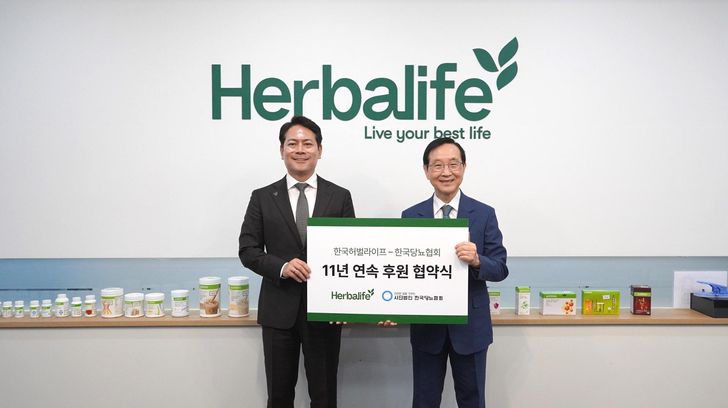
Since 2016, Herbalife Korea has also developed partnerships with scientific organizations in Korea. It has worked with the Korean Diabetes Society on coach education involving endocrinology professors, diabetes education nurses and clinical exercise specialists. The partnership was followed by an agreement with the Korean Nutrition Society in 2020 and the establishment of an award supporting young nutrition researchers in 2021.
In September this year, the diabetes partnership was expanded to include the Health Confidence program for people with prediabetes.
Next 30 years
Chung described the anniversary as the starting point for a redesign aimed at the next 30 years.
“We did not spend our 30th anniversary simply commemorating the past. We preserved the relationships our people have built while redesigning the structure that keeps those relationships working,” he said.
Introduced earlier this year, Herbalife’s new market plan revises distributor compensation, moving away from a relatively uniform global system toward more customized arrangements based on conditions in each operating country.
In digitally connected Korea, where side jobs and multiple income streams are common, the company aims to accommodate distributors’ different circumstances and goals, expand opportunities for newcomers and support the growth of existing distributors.
AI tools are designed to ease workloads, allowing distributors to spend more time understanding customers’ lifestyles and maintaining communication. HL/Skin.ai, an AI-powered skin analysis system launched alongside the HL/Skin skin care lineup, asks users for their age and skin type before conducting a facial scan via smartphone. Within 60 seconds, it provides an overall skin score covering hydration, blemishes, wrinkles, dark circles, texture, tone, firmness and oiliness, along with corresponding product recommendations.
The tools, however, will not replace people, Chung said, emphasizing that understanding individual circumstances and encouraging healthy behavior remain human responsibilities.
“We are considering features such as AI answering frequently asked product questions, and also developing a new digital platform to support distributors’ business activities in Asia-Pacific,” Chung said. “We will continue supporting distributors’ business activities through the new market plan and AI technology, while providing customers with more convenient and attentive services.”
The operational restructuring has also involved expanding the product lineup. Herbalife24, the company's sports nutrition line launched in Korea in 2016, added Liftoff Powder, a fast-dissolving effervescent vitamin product, last year. This was followed by the launch of HL/Skin in March this year. The expanded portfolio targets a range of needs, including protein intake, muscle health, healthy aging and beauty-related wellness.
The product expansion reflects a decade transformed by smartphones, social media and the COVID-19 pandemic, which made online research and shopping part of everyday life. As consumer interests broadened beyond weight loss and appearance to encompass nutrition, exercise, sleep, stress management and skin health, Herbalife expanded its product offerings and scientific expertise to address these evolving needs.
Korean market's significance
Korea is serving as an early proving ground for Herbalife’s evolving strategy. It was among the first markets globally to introduce the new compensation plan, reflecting the company's headquarters' recognition of Korea's strategic importance.
“Korea is a market that embraces change quickly and is the first to show that those changes work,” he said.
Although Korea’s health supplement market is smaller than those of the United States and China, consumers’ knowledge and willingness to try new products raise the bar for the industry, Chung said. Citing the Korea Health Functional Food Association, he said the domestic market was valued at nearly 6 trillion won ($4.5 billion) last year, with 84 percent of consumers making repeat purchases within a year, indicating that health supplements have become part of everyday consumption.
Chung said consumers increasingly scrutinize ingredients, dosages, product quality, scientific evidence and corporate credibility rather than relying on assumptions or recommendations from others. HL/Skin, he added, was developed in response to growing interest among beauty-conscious consumers in managing both their health and appearance.
To better serve the Korean market, Herbalife has combined global expertise with ingredients and flavors familiar to local consumers. Formula 1 was introduced in flavors tailored to consumer preferences in different markets, while Red Ginseng Gel sold in Korea uses six-year-old red ginseng grown in Korea.
“Korea is a market with strong interest in new products and high standards for quality and trust. This environment drives companies to continually improve products and services,” Chung said.
“Herbalife's comparatively faster adoption of the new market plan in Korea also shows how highly the global headquarters values the Korean market.”
As Korea becomes a super-aged society, healthy longevity is gaining importance beyond simply extending lifespans. Chung emphasized the importance of muscle health, balanced nutrition and regular physical activity. The company is also examining nutritional needs following rapid weight loss with obesity medications, with a focus on balanced nutrient intake and muscle maintenance.
For Chung, personalization means moving away from one-size-fits-all recommendations toward products and guidance tailored to individuals' ages, lifestyles and health goals. Digital services should make relevant information easier to access, while coaches and communities should help customers turn recommendations into daily routines. This combination, he said, will underpin the company's focus on personalized nutrition and healthy longevity over the coming decades.
“Over the past 30 years, Herbalife has evolved from a company centered on weight-management products into a comprehensive nutrition and wellness company. We now aim to grow into a global premium health and wellness platform combining personalized nutrition, digital technology and people-centered coaching,” Chung said.
“Thirty years from now, I hope Herbalife Korea will be remembered not only for providing good nutrition products, but for making a meaningful contribution to building healthy lifestyles.”