科技
小米18 Pro证明了双屏并不比单屏更好。
中文译文
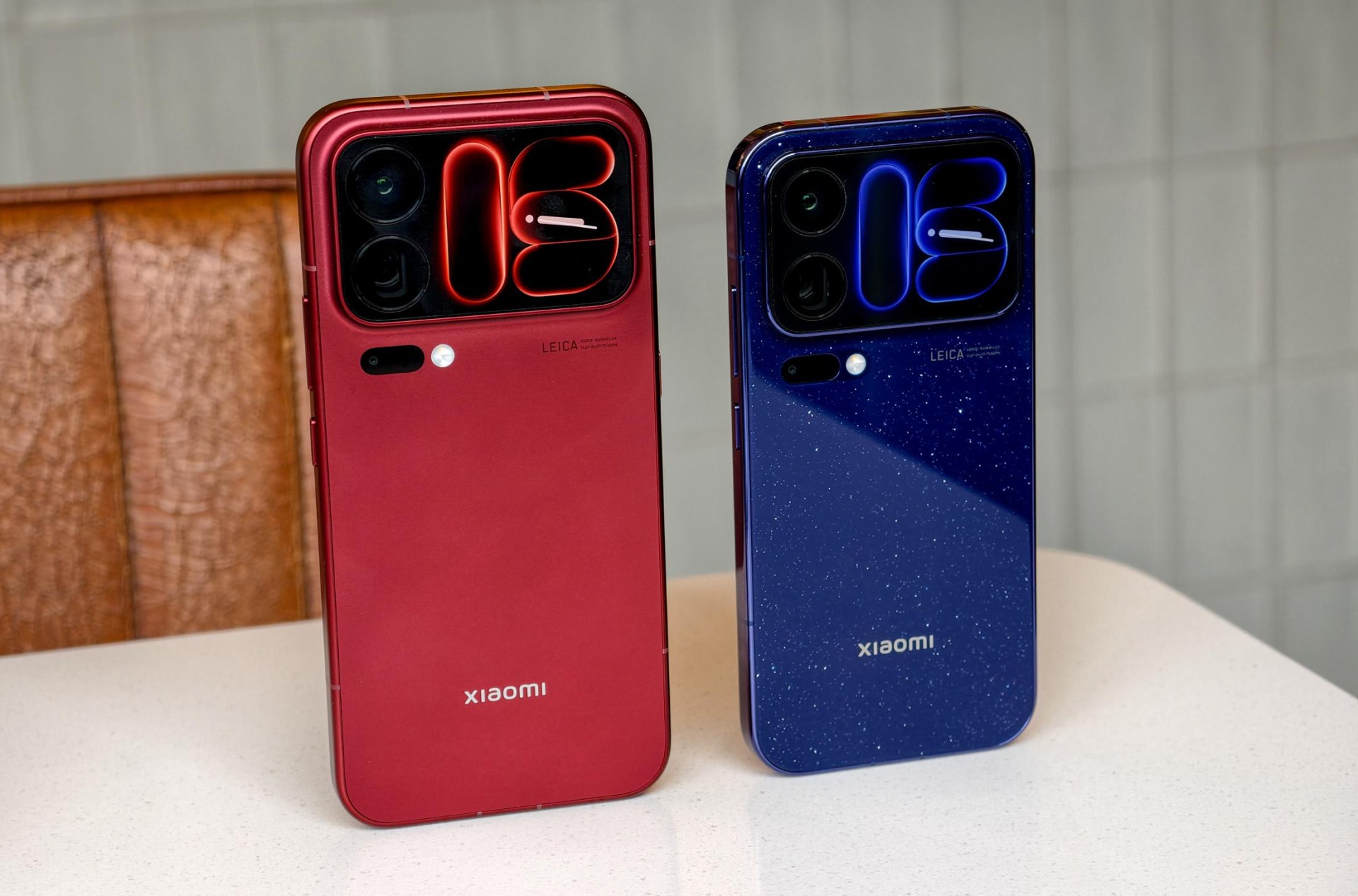
小米在去年的17 Pro系列中为旗下旗舰手机配备了第二屏幕,但并未在中国以外地区推出该机型。这意味着新的18 Pro和Pro Max是我首次有机会了解,如今手机背部的屏幕是否比小米2021年的Mi 11 Ultra首次尝试这种设计时更具实用性——更不用说Nubia和Vivo早先的尝试了。
在使用了小米这两款新的Pro系列手机一两周后,我并未完全被其吸引。背部显示屏只有一个明显的用途——它帮助我拍出了有史以来最出色的自拍——但在其他方面则没什么用处。
这两款手机的其他方面表现都很出色,拥有出色的摄像头、大容量电池,以及类似三星Galaxy S26 Ultra的更灵活的隐私显示屏功能。有很多值得称道的地方。但由于内存危机导致价格居高不下,很难不让人思考,消费者究竟在为一个可能并非必需的第二屏幕支付多少代价。
6
Verge评分
小米18 Pro
优点出色的主摄和长焦镜头
隐私显示屏
强劲的性能
紧凑的机身
缺点
后置显示屏功能有限
基础级的超广角镜头
价格昂贵
6分
Verge评分
小米18 Pro Max
优点
出色的主摄和长焦镜头
隐私显示屏
强劲的性能
更广的动态范围
缺点
后置显示屏功能有限
基础级的超广角镜头
价格昂贵
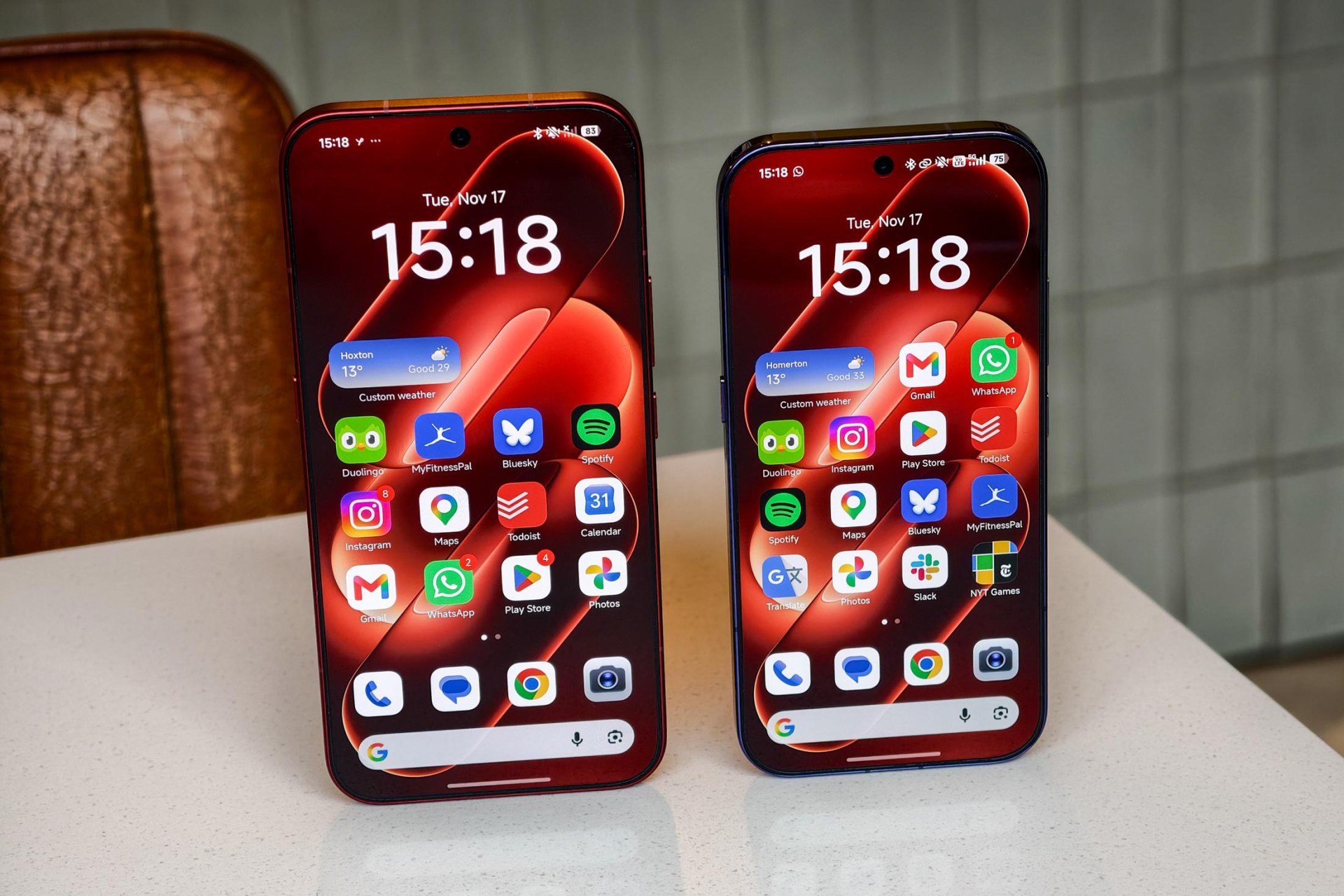
小米18 Pro共有两款机型:售价1,199英镑的Pro版(约合1,570美元)以及售价1,399英镑的Pro Max版(约合1,830美元)。在英国和欧洲,其定价旨在与iPhone 18 Pro和Pro Max直接竞争。它们的尺寸也与iPhone相近:Pro型号的屏幕为6.4英寸,Pro Max型号的屏幕为6.9英寸。除此之外还有些其他差异,但并不多。Pro Max型号的电池容量为7,050mAh,高于Pro型号的6,000mAh(在欧洲以外地区还有容量更大的电池可供选择),而且其100W有线充电速度也比Pro型号快10W。两款手机在正常使用情况下都能轻松支撑一整天,若使用频率较低则可勉强支撑两天——不过我见过近期发布的OPPO和Vivo旗舰手机的续航表现更好。它们都搭载了高通的Snapdragon 8 Elite Gen 6芯片,但只有Pro Max型号配备了Extreme版本。虽然两款的摄像头配置几乎相同,但由于Pro Max型号配备了LOFIC传感器,其动态范围略好一些。这两款手机的后置屏幕尺寸也略有不同,分别为2.7英寸或2.9英寸,差异并不大。这些屏幕环绕在两个主后置摄像头镜头周围,外观与Galaxy Z Flip 8等折叠屏手机正面的显示屏颇为相似,不过尺寸更小,功能也有限得多。
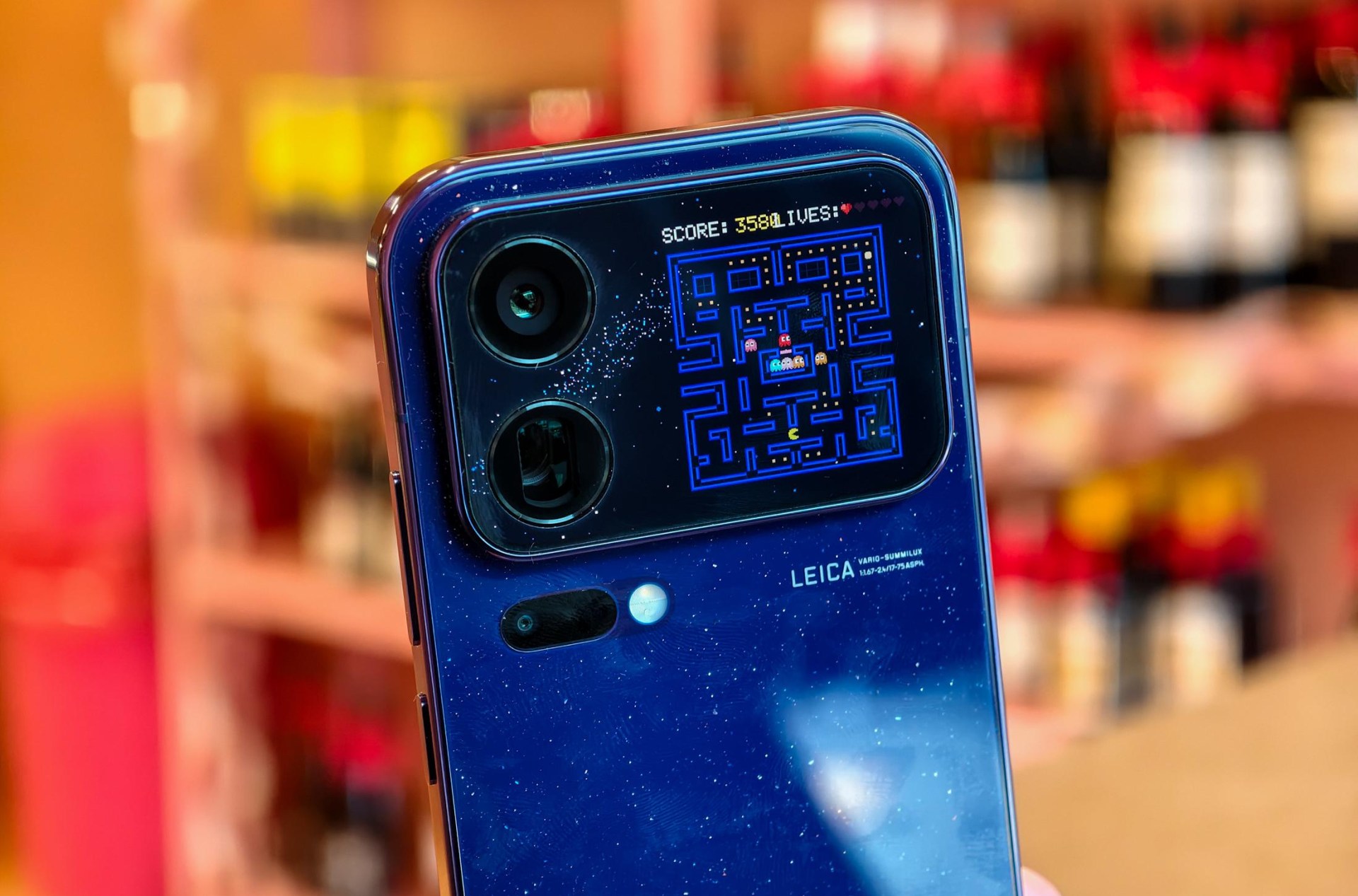
用户可以设置自己喜欢的壁纸,其中一些还是互动式的。在播放音乐或播客时,会出现播放控制界面。用户还可以开启通知功能,这在需要将手机面朝下放置时十分有用,但小米的实现方式有些奇怪:屏幕上的应用图标过大,导致无法显示太多通知文字;没有快速回复或标记邮件为已读等互动功能;而且用户无法查看通知列表,只能在通知出现时短暂查看几秒。这使得该功能仅比通知LED稍有用一些而已。与翻盖手机不同,你无法通过小屏幕进入手机的设置界面,更无法运行复杂的应用程序。不过,该手机配备了一款基于谷歌Gemini 4 Argon技术的自然语言AI工具,可用于创建自己的应用。这类应用适合用于简单的工具或游戏——我曾用它制作过番茄工作计时器以及一个功能有限的模仿版《吃豆人》游戏——但你所创建的应用无法连接互联网或调用其他应用,因此其功能必然会受到很大限制。
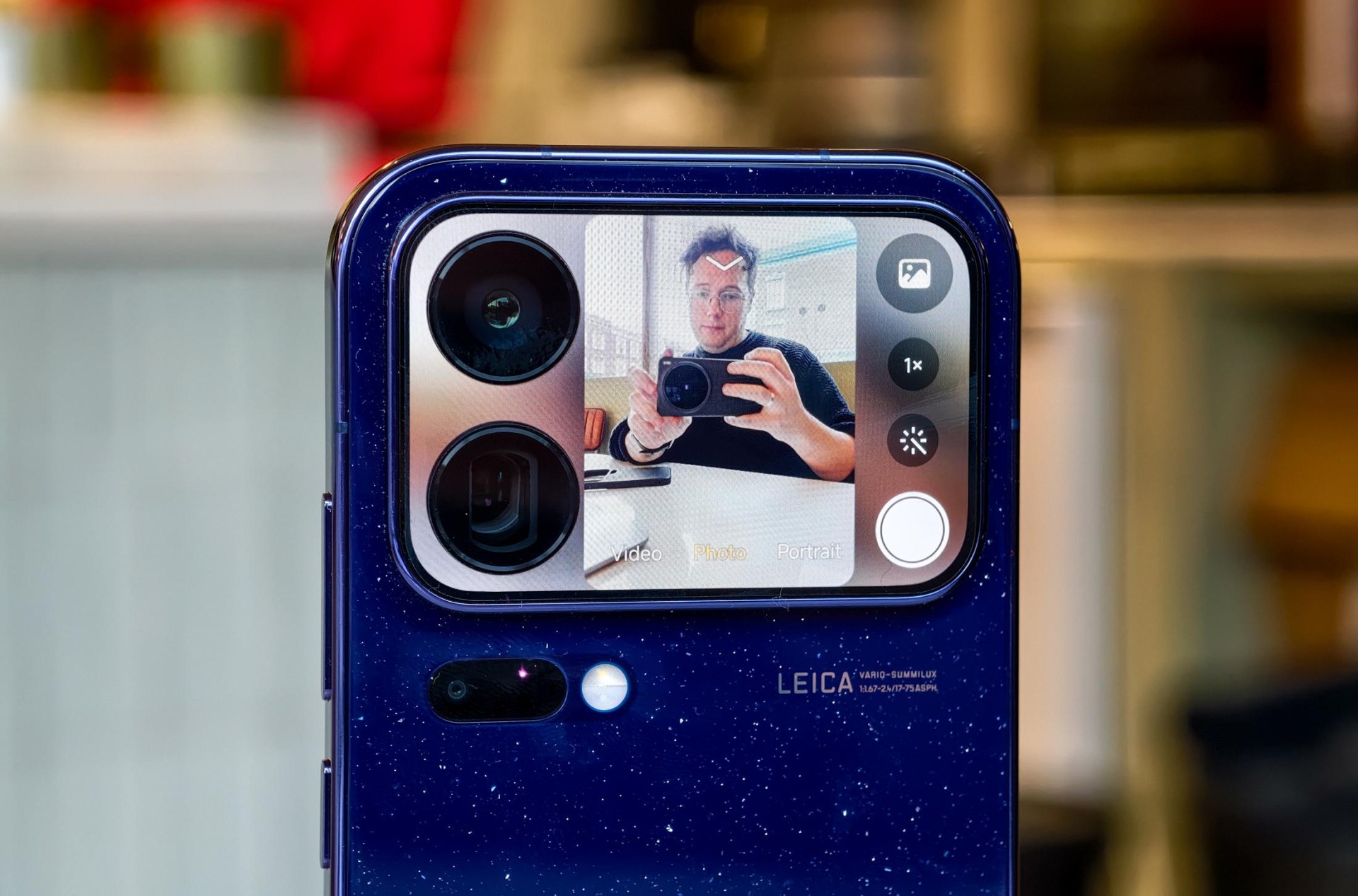
唯一让我觉得后置屏幕有价值的地方,就是它的相机取景器。在这个尺寸下,用户界面操作起来稍显繁琐,但你仍然可以使用后置主摄像头拍照、录制视频,或创建类似照相亭效果的图片场景。我用这款手机拍出了人生中最棒的自拍,对某些人来说,这或许就已经是购买它的足够理由。主摄像头的表现尤为出色,这为该手机带来了优势。主摄像头和长焦摄像头均为配备大传感器的200百万像素优秀相机,几乎在任何光照条件下都能拍出优质照片。长焦摄像头的最短对焦距离仅为12厘米,因此它也可作为出色的微距相机使用。18 Pro Max在摄影性能上略占优势,其LOFIC主传感器具备更宽的16档动态范围,有助于在极为复杂的光照条件下更好地捕捉高光部分。在大多数情况下,这两款手机之间的差异并不明显。
小米的长期相机合作伙伴徕卡再次参与其中,默认情况下,用户可以选择两种徕卡风格的拍摄模式——生动模式或真实模式,此外还有全新的小米风格原始模式,可在两者之间取得平衡。徕卡带来的另一项重要功能是全新的“经典时刻”模式,该模式利用人工智能模拟35毫米或75毫米镜头下的三种不同复古徕卡风格。那颗超广角镜头位于屏幕下方的另外两颗镜头之外,看起来像是后来才加装的——它的拍摄效果也确实如此。它安装在手机机身非常低的位置,以至于我的手指经常挡住它的视野;17毫米的焦距几乎感觉上并不比23毫米的主摄像头更广,因此它并没有为拍摄提供太多便利;而且由于其传感器尺寸较小,拍摄质量明显不如其他两颗后置摄像头,尤其是在光线较暗的情况下。至于自拍摄像头,表现还算不错,但由于后置屏幕的存在,其他时候使用主摄像头才是更好的选择,所以自拍摄像头基本上只适合用于视频通话。小米18 Pro手机还有另一个特色功能:隐私显示屏。这一功能实际上是直接模仿了三星Galaxy S26 Ultra的技术,通过在不同视角下切换不同的像素组合,使得在激活该功能时从侧面难以看清屏幕内容。与三星的版本一样,你可以为整个手机开启此功能,或者仅针对特定应用启用;但与三星不同的是,当为特定应用开启该功能时,它也会适用于相应的通知,而且该功能在分屏或悬浮窗模式下仍能正常工作,不会影响同时打开的其他应用。相比三星的版本,它的灵活性更高,但在我看来,效果稍差一些。小米18 Pro和Pro Max拥有诸多优点,主摄和长焦镜头表现出色,性能良好,外观设计也相当吸引人。但诸如表现一般的超广角镜头,以及续航时间不如某些竞品旗舰手机的电池等问题,让我不禁怀疑为了安装后置显示屏而做出的妥协。其有限的功能也让我犹豫不决,尤其是当这类旗舰手机的价格越来越离谱的时候。
摄影:Dominic Preston / The Verge
原文
Xiaomi introduced a second screen to its flagship phones with last year’s 17 Pros, but didn’t release them outside China. That means the new 18 Pro and Pro Max are the first chance I’ve had to find out if a screen on the back of a phone is any more useful now than it was when Xiaomi last tried it on 2021’s Mi 11 Ultra — not to mention earlier efforts by the likes of Nubia and Vivo.
After a week or two with both of Xiaomi’s new Pro phones, I’m not entirely sold. The rear display has a single, obvious use case — it’s helped me take some of the best selfies I’ve ever managed — but it isn’t very useful otherwise.
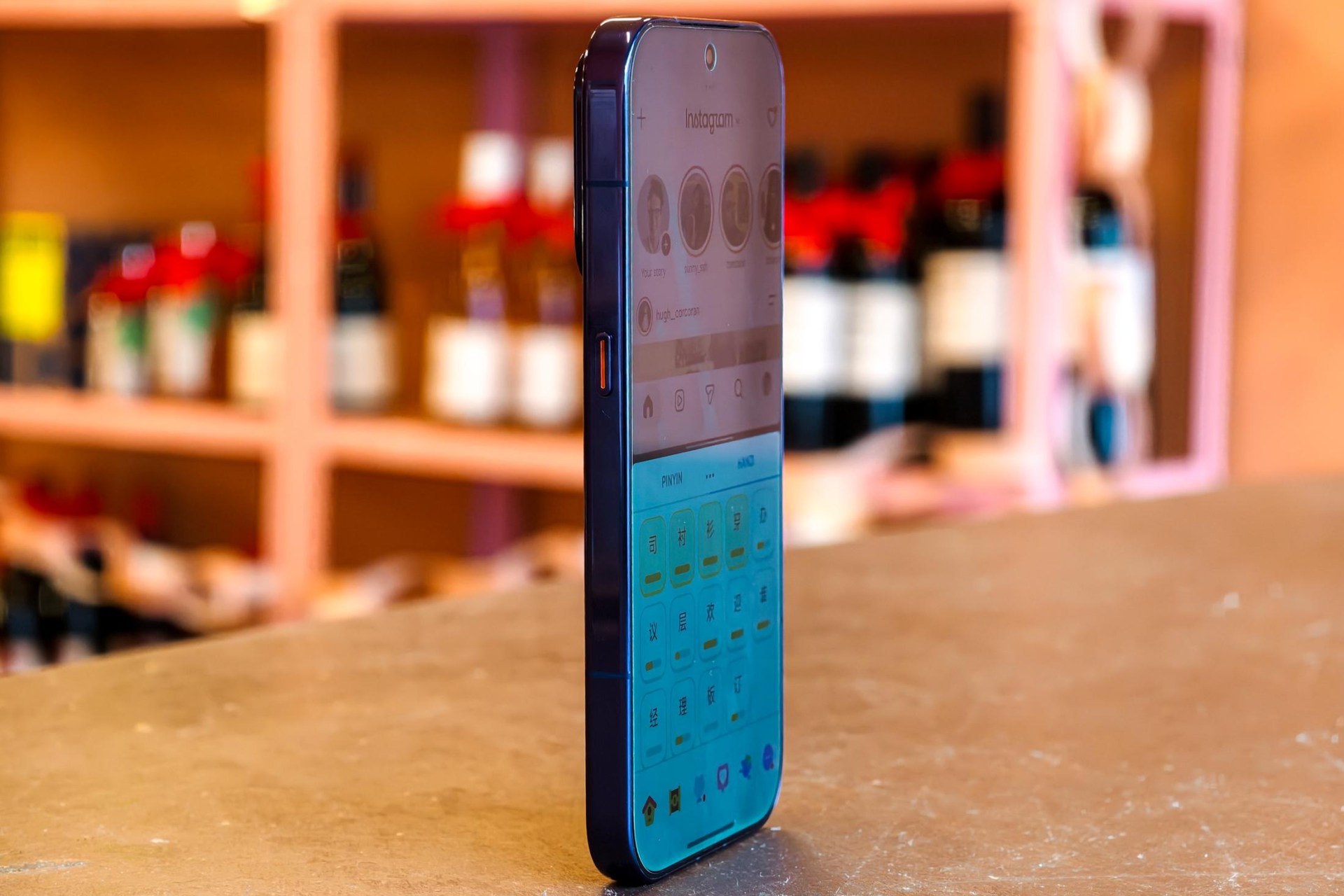
The rest of the phones are great, with good cameras, big batteries, and a more flexible take on the privacy display seen in the Samsung Galaxy S26 Ultra. There’s a lot to like. But with prices higher than ever thanks to the RAM crisis, it’s hard not to wonder how much buyers are paying for a second screen they could probably do without.
6
Verge Score
Xiaomi 18 Pro
The Good
Excellent main and telephoto cameras
Privacy display
Strong performance
Compact
The Bad
Rear display is limited
Basic ultrawide camera
Expensive
6
Verge Score
Xiaomi 18 Pro Max
The Good
Excellent main and telephoto cameras
Privacy display
Strong performance
Extended dynamic range
The Bad
Rear display is limited
Basic ultrawide camera
Expensive
There are two Xiaomi 18 Pro phones: the £1,199 Pro (around $1,570) and the £1,399 Pro Max (around $1,830). In the UK and Europe, they’re priced to compete directly with the iPhone 18 Pro and Pro Max.
They come in similar sizes to the iPhones, too: a 6.4-inch display on the Pro, and 6.9 inches on the Pro Max. There are a few other differences, though not many. The Pro Max’s 7,050mAh battery is bigger than the Pro’s 6,000mAh (with larger batteries available outside Europe), and its 100W wired charging is 10W faster too. Both phones last a day pretty comfortably and will stretch to two with lighter use, though only just — I’ve seen better battery life from recent Oppo and Vivo flagships. They also use Qualcomm’s Snapdragon 8 Elite Gen 6 chips, though only the Pro Max has the Extreme version. And while the camera setups are nearly identical, you’ll get slightly better dynamic range from the bigger phone thanks to a LOFIC sensor.
The rear screens also vary slightly in size between the phones, though at either 2.7 or 2.9 inches, there’s not much in it. Wrapping around the two main rear camera lenses, they look a lot like the displays you’ll find on the front of foldables like the Galaxy Z Flip 8, though smaller than most of those, and much more limited in functionality.
You can set your choice of wallpapers, some of which are interactive. Listen to music or a podcast, and playback controls appear. You can turn on notifications, useful for when you want to rest your phone face down, but Xiaomi’s implementation is odd: App icons appear so large on the screen that there’s no space to fit much text from a given notification; there are no interactive responses like quick replies or marking emails as read; and you can’t see a list of your notifications, only viewing each for a few seconds as it comes in. It makes this just barely more useful than a notification LED.
Unlike flip phones, you can’t use the small screen to access the phone’s settings, and you certainly can’t run full-blown apps. Instead, there’s a natural-language AI tool to create your own apps, powered by Google’s Gemini 4 Argon. It’s good for simple tools or games — I made a pomodoro timer and a semi-functional knockoff Pac-Man — but your creations can’t connect to the internet or access other apps, so anything you make will be quite purposefully limited.
The only thing that’s convinced me the rear screen is at all worthwhile is its camera viewfinder. The UI’s a little fiddly at this scale, but you can take photos, record videos, or create a photo booth-inspired picture set, all using the rear main camera. I’ve taken the best selfies of my life with this phone, which may be reason enough for some people to buy it.
It helps that the main camera is especially good. It and the telephoto are both excellent 200-megapixel shooters with large sensors, capable of great results in almost any lighting conditions. The telephoto’s short minimum focusing distance of 12cm lets it double as a great macro camera too. The 18 Pro Max has a slight photographic advantage, with a LOFIC main sensor that offers an expanded 16-stop dynamic range, helping it capture better highlights in particularly tricky lighting. Most of the time you won’t see a huge difference between the two phones.
Xiaomi’s longtime camera partner Leica is involved again, and by default you can shoot in one of two Leica-branded camera modes — Vibrant or Authentic — plus a new third option, the Xiaomi-branded Original, which splits the difference between them. The other big Leica contribution is a new Essential Moments mode that uses AI to simulate three different retro Leica aesthetics in either 35mm or 75mm lenses.
The ultrawide, set apart from the other two lenses beneath the screen, looks like an afterthought — and it shoots like one too. It’s placed so low on the body that my finger frequently blocks its view; its 17mm focal length barely feels wider than the 23mm main camera, so it doesn’t give you much extra room to play with; and its smaller sensor means quality is noticeably worse than from either of the other rear cameras, especially in dimmer light. As for the selfie camera, it’s decent, but you’ll only ever use it for video calls since the rear screen makes the main camera the better choice the rest of the time.
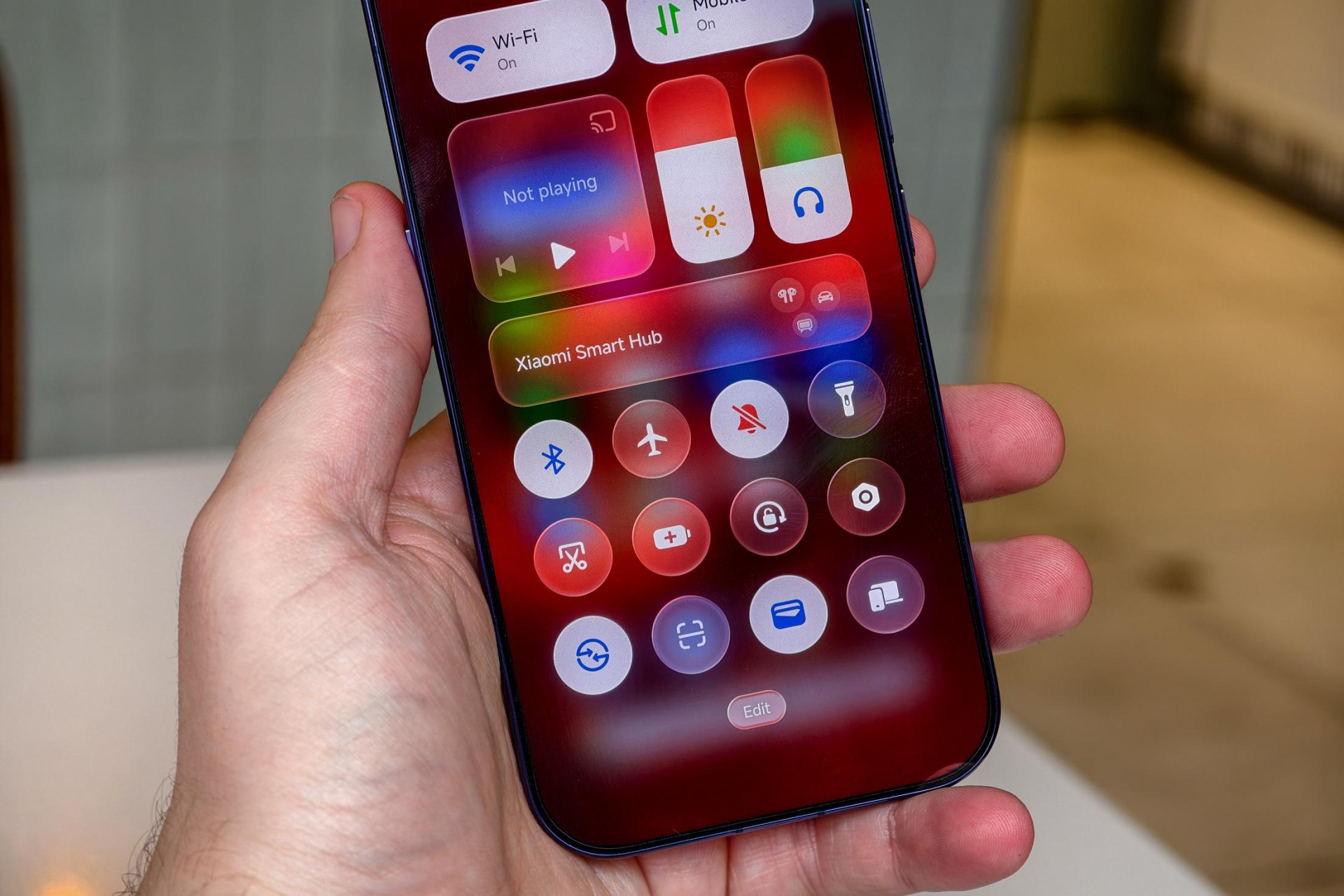
The Xiaomi 18 Pro phones have one other trick: a privacy display. This is a pretty direct imitation of Samsung’s Galaxy S26 Ultra tech, switching between different sets of pixels with varying viewing angles to make your screen hard to see from the side when it’s activated. Like Samsung’s version, you can turn it on across the phone or just for certain apps; unlike Samsung’s, when you activate it for specific apps, it also applies to specific notifications, and it works with split-screen or floating windows without affecting other apps open at the same time. It’s more flexible than Samsung’s version, though to my eye, less effective.
The Xiaomi 18 Pro and Pro Max have plenty of strengths, with great main and telephoto cameras, good performance, and reasonably attractive designs. But shortcomings like the lackluster ultrawide camera and batteries that don’t last as long as some rival flagships make me wonder about the compromises made to fit that rear display. Its limited functionality has given me pause, especially as flagship phones like this hit increasingly eye-watering prices.
Photography by Dominic Preston / The Verge