军事·安全
装备大口径火炮的奇特CFL-120喀尔巴阡中型坦克,正在面对日益不利于装甲车辆的战场环境。
中文译文
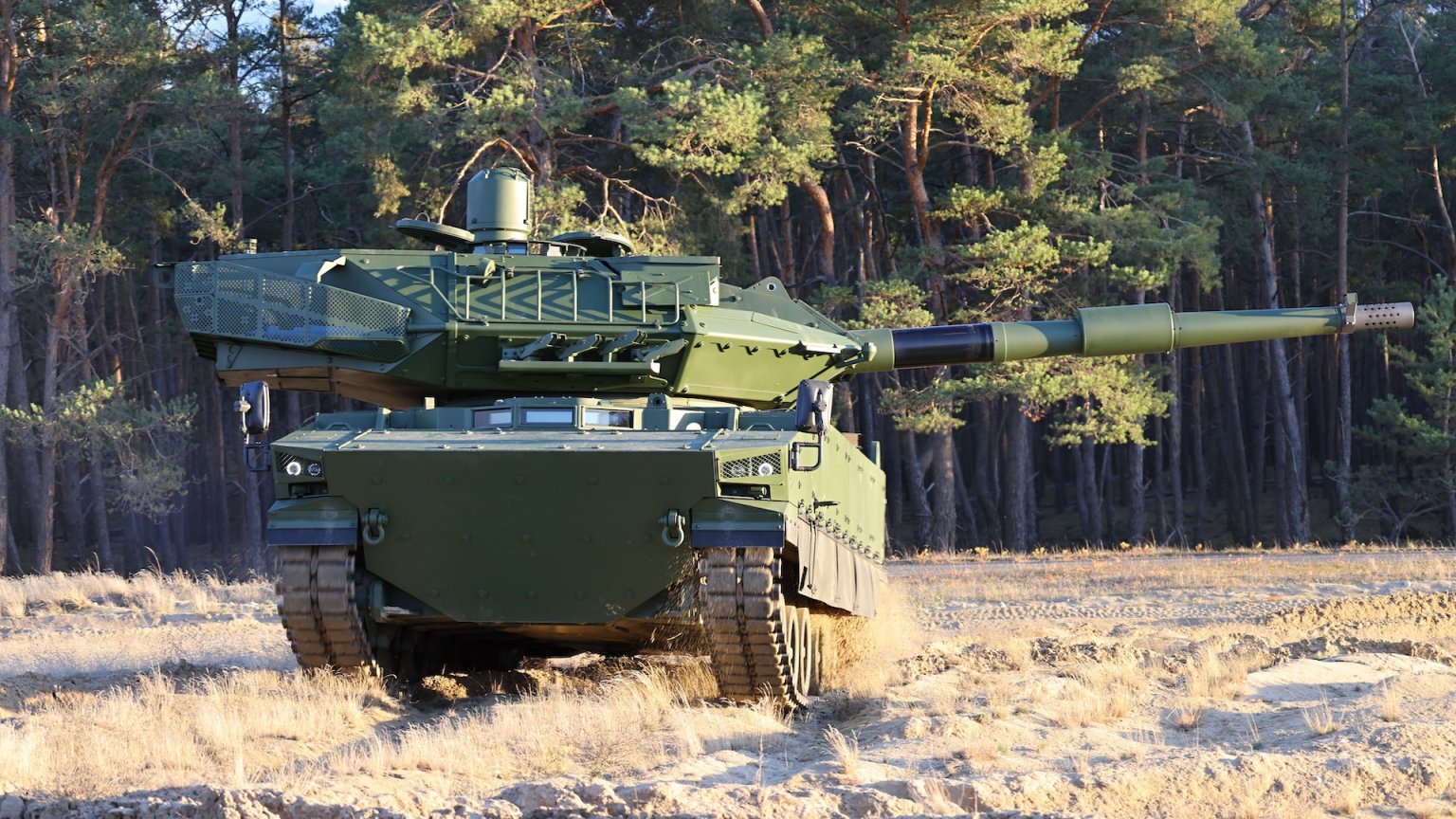
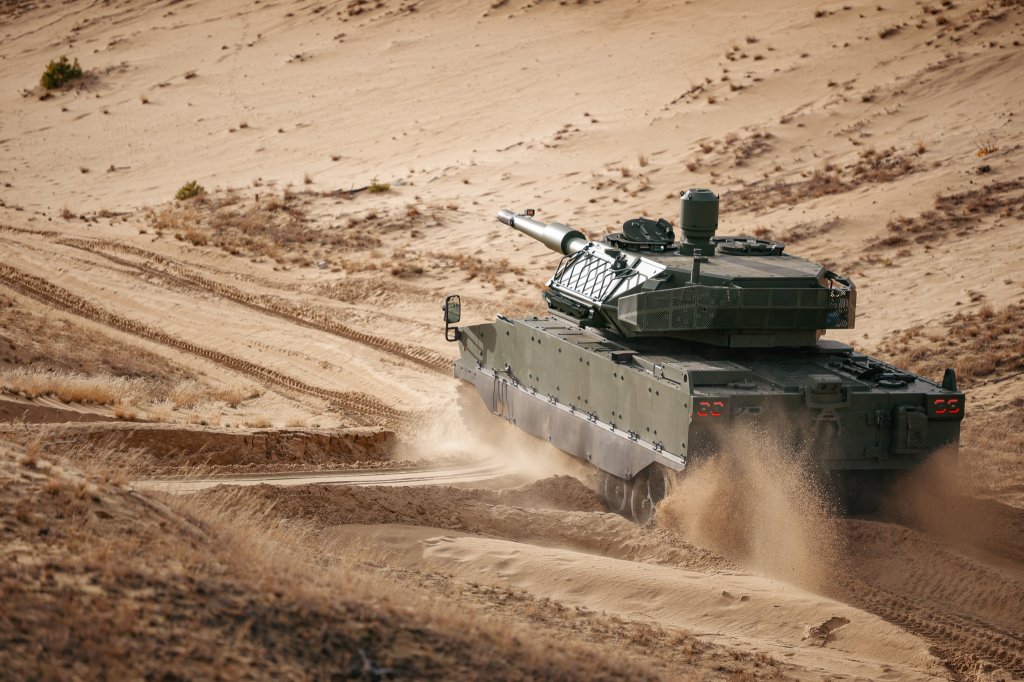
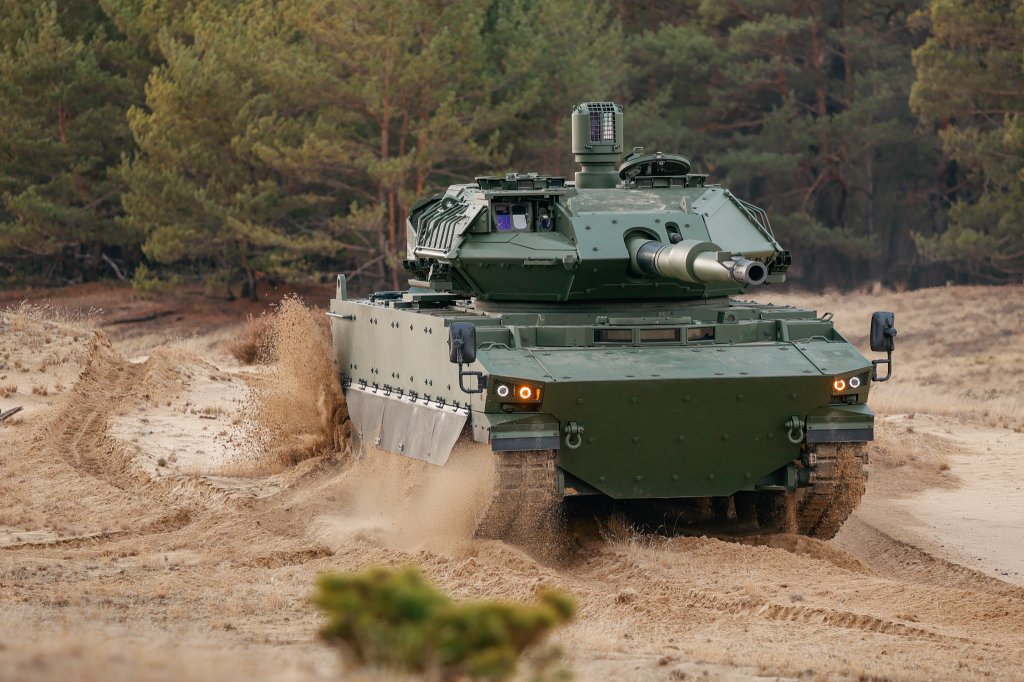
一款引人注目的斯洛伐克-土耳其联合研发的中型坦克——CFL-120 Karpat,旨在满足那些无力配备或使用更重型主战坦克,同时又需要更轻便、更灵活作战车辆的军队的需求。然而,就在各类装甲车辆的生存能力日益受到质疑的当下,要推出一种结合120毫米坦克炮与更轻量化履带底盘的全新类别坦克,其可行性远非如此简单。
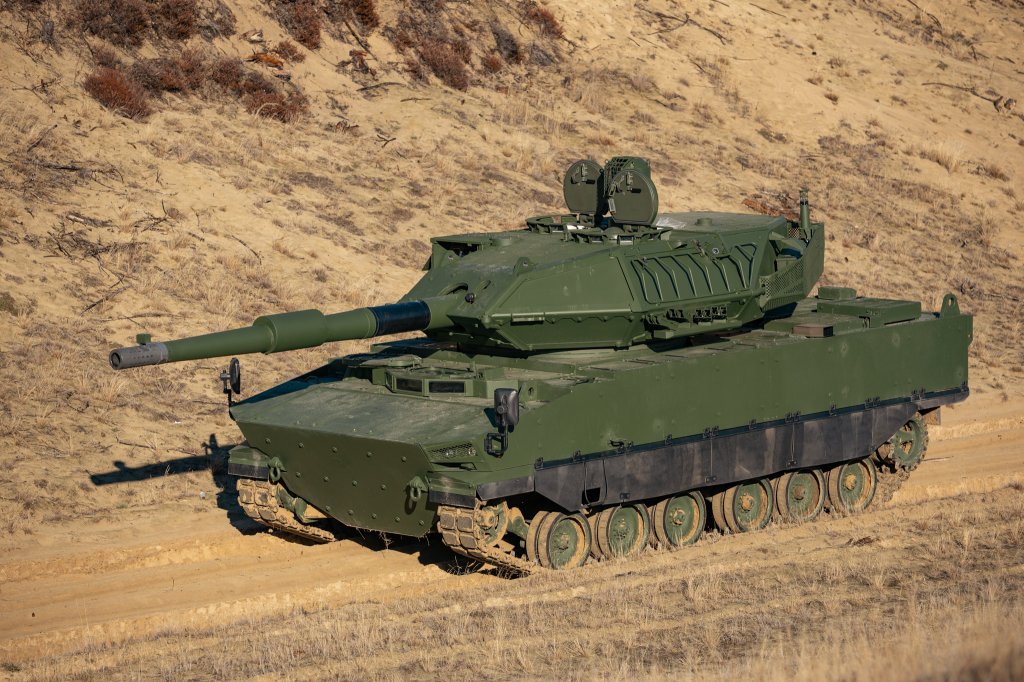
Karpat这一名称源自喀尔巴阡山脉,该坦克昨日在斯洛伐克的扎霍里军事测试场首次公开进行动态演示,展示了其越野机动能力以及主炮的射击性能。此前,它已于今年早些时候在布拉迪斯拉发的2026年IDEB国防展览会上首次公开展出。“卡帕特”坦克是由斯洛伐克的捷克斯洛伐克集团(CSG)、土耳其的FNSS以及意大利的莱昂纳多公司共同开发的。该坦克将FNSS的履带式“卡普兰”平台与莱昂纳多的HITFACT Mk II炮塔相结合。后者配备有120毫米火炮,使其具备通常只有更重型主战坦克才有的火力。该火炮为手动装填方式,因此需要第四名乘员,不过未来有可能引入自动装填装置。
这段视频介绍了HITFACT Mk II炮塔的相关情况,具体展示的是“森塔乌罗2”8×8移动炮系统:
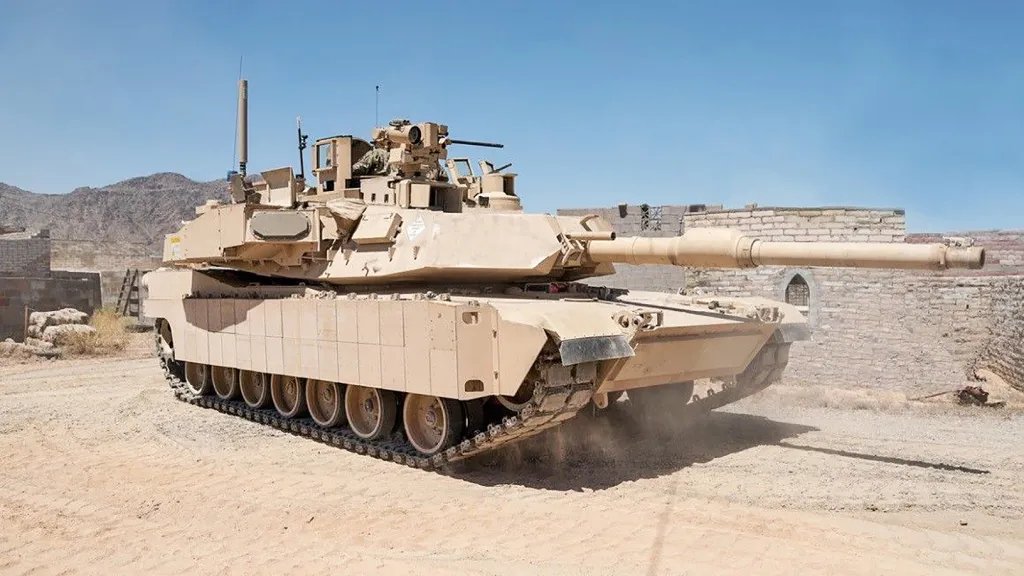
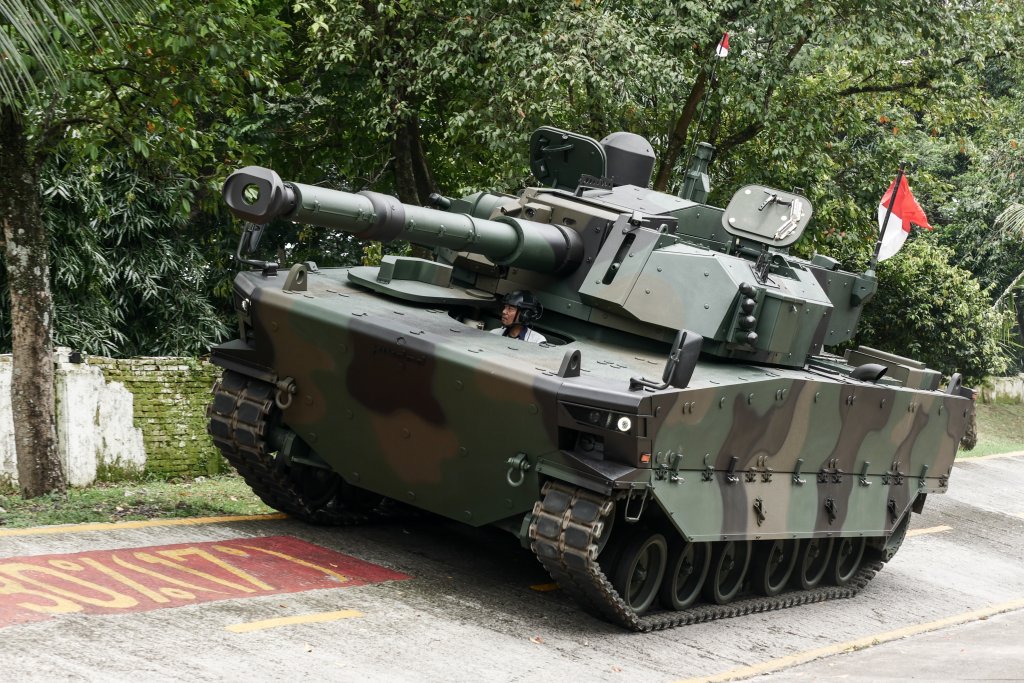
据称,该坦克的重量约为35吨,远低于现代主战坦克的重量。随着装甲、传感器及其他系统的不断发展,主战坦克的重量也在不断增加。例如,广泛使用的M1艾布拉姆斯主战坦克的SEPv3版本,在战斗状态下的总重量可达73.6吨。“莱昂纳多”炮塔安装在FNSS公司的履带式底盘上,这一平台此前已用于与印度尼西亚合作研发的“卡普兰MT”中型坦克(印度尼西亚将该坦克称为“哈里茂”——这两个名字均意为“老虎”)。而“卡帕特”则提供了一种相对机动的履带式平台,可配备大口径武器,同时无需承担60至70吨级坦克所带来的运输、基础设施及后勤方面的负担。
不过,重量与火力的结合并不一定是解决当今装甲车辆所面临挑战的答案。
日益复杂的装甲作战战场无人机、滞空弹药以及先进反坦克武器的普及,从根本上改变了坦克作战的环境。乌克兰的战例表明,持续不断的空中监视以及价格相对低廉的攻击型无人机,能够使坦克的移动变得困难,还能发现位于前线远处的目标,进而带来传统装甲防护系统从未设计过要应对的威胁。
在某些情况下,重型主战坦克依然具有作战能力,尤其是在作为与步兵、炮兵、无人机、电子战力量、防空系统以及其他支援力量相结合的联合作战力量的一部分时。不过,使用这些坦克变得更加复杂,而且其高昂的成本和复杂的后勤需求使得坦克的损失越来越难以承受。重量更轻的车辆并不一定能解决这些问题。Karpat可能更易于在无法承载更重坦克的基础设施上运输和机动,比如较小的桥梁,但它仍然是一种具备显著战场存在感的重型装甲车辆。其相对较轻的重量也限制了在车辆平台上配备的防护措施,尤其是在抵御地雷、无人机、顶部攻击型反坦克导弹以及现代战场上日益常见的其他威胁方面。在基本型号中,它明显没有主动防护系统,但FNSS表示未来有可能为其加装该系统。在威胁较高的地区,爆炸反应装甲也可能是必要的附加装备,但所有这些都会增加本应更为轻便的坦克的重量。
与此同时,随着各国军队重新考虑在单一平台上合理配置多少防护措施、重量以及成本,传统主战坦克的未来角色也在引发争议。
M10 Booker项目的警示美国陆军取消的M10“布克”项目为与“卡帕特”坦克的比较提供了重要参考。这款美国坦克旨在为步兵部队提供防护性强的直接火力支援,尤其是那些无法与“艾布拉姆斯”坦克一同部署的部队。其快速部署能力以及更易控制的重量是其具备作战优势的关键,而非仅仅打造一款更轻型的主战坦克。
尽管有这样的设计理念,该项目最终仍因重量、成本、实用性以及在该军种力量结构中的定位等问题而面临质疑,最终被取消。
“布克”坦克与“卡帕特”坦克源于不同的需求,具有不同的配置和目标用户群体。但“布克”项目的教训表明,即便发现重型主战坦克与轻型步兵战车之间存在差距,也未必就能为新的装甲类别创造出可行的市场。“卡帕特”坦克若要证明其存在的必要性,除了具备在较轻底盘上实现类似坦克的火力外,还需有令人信服的作战需求。在各国军队重新评估装甲部队如何在持续监控和无人机攻击环境下执行任务的情况下,这一要求更为重要。
不过,仍可能存在适合该坦克的细分市场。在山区、岛屿领土、偏远边境地区,以及那些无法容纳更重型坦克的基础设施环境中,具备强大直射火力且后勤负担较小的坦克或许能找到用武之地。鉴于其地理环境以及将重型装甲车辆运送到群岛地区时所面临的运输难题,再加上基础设施较为落后,印太地区显然是值得探索的市场。FNSS与印度尼西亚共同开发的Kaplan MT项目已在该地区建立了成熟的工业和运营体系,这也有助于为Karpat坦克创造发展机会。
欧洲各国军队也可能发现,较轻型的履带式车辆在某些特定任务中十分有用,尤其是在桥梁条件、运输限制以及成本等因素使得传统主战坦克难以大量部署的情况下。
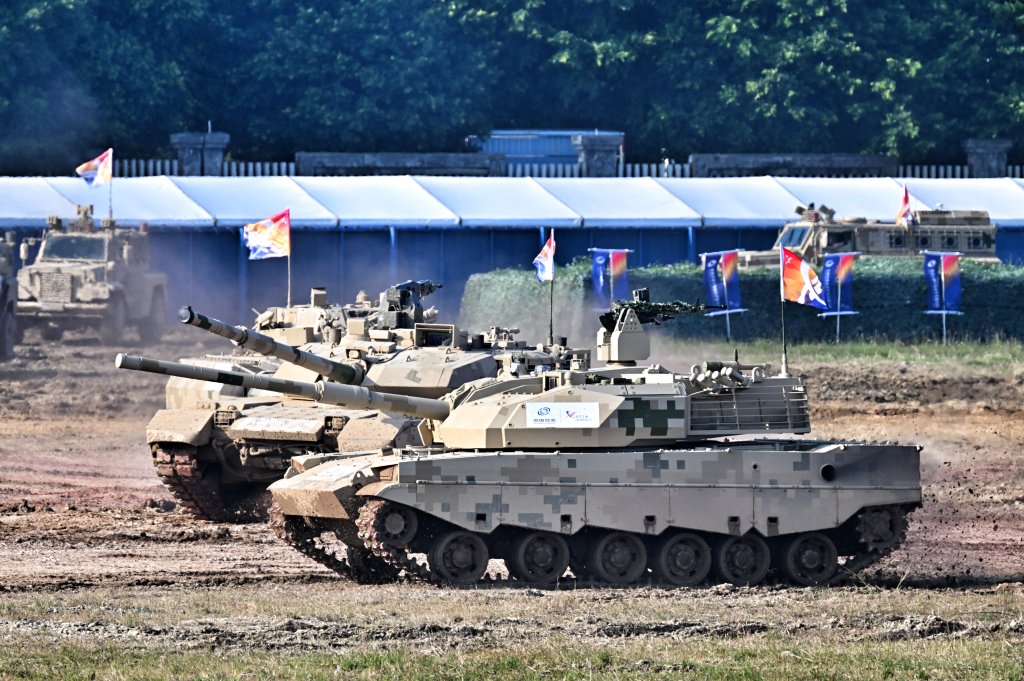
在争夺这一市场方面,Karpat坦克并非唯一的选择。中国的VT-5、以色列的Sabrah以及FNSS的Kaplan MT都属于争夺出口客户的轻型坦克。不过,这些坦克大多配备105毫米火炮,而Karpat坦克则配备了120毫米火炮,这一优势使其具有明显区别。那种更大的火炮可能吸引那些需要更强直接火力能力的国家,不过这也带来了关于弹药储存、装弹方式、炮塔集成以及车辆重量限制等方面的考量。仅凭这一点,并不能使“喀尔巴阡”坦克在作战能力上等同于常规主战坦克。
正在寻找合适用途的坦克?
“喀尔巴阡”坦克背后的工业合作伙伴关系或许会成为其最有力的卖点。CSG、FNSS和Leonardo拥有成熟的制造能力和出口经验,而斯洛伐克则可能从国内生产及供应链参与中获益。CSG Defense、MSM Land Systems和Leonardo还签署了一份谅解备忘录,旨在为与Karpat计划相关的HITFACT Mk II炮塔的推广、销售及生产建立合作框架。该协议有助于为未来的订单奠定工业基础,不过这种武器系统仍需要有意愿确定生产数量的客户。
斯洛伐克是潜在客户之一,据报道,其轻型坦克采购项目中Karpat正在与BAE Systems的Hägglunds CV90120竞争。FNSS此前表示,这种武器的成本可能仅为现代主战坦克的三分之一左右,但实际采购成本将很大程度上取决于配置、防护性能、配套服务等因素。对于像斯洛伐克这样希望更换冷战时期的T-72坦克以及较新的Leopard 2A4坦克,却又因成本原因无法购置现代主战坦克的国家来说,这种方案十分合适。作为对比,克罗地亚、捷克共和国、德国、立陶宛、荷兰、挪威和瑞典所订购的豹2A8坦克,每辆的价格约为3000万至3500万美元。
卡帕特坦克是一款有趣的武器,尤其是因为在相对轻量的履带平台上安装120毫米火炮是一项相当复杂的工程任务。
不过,它出现的背景是战场对重型和轻型装甲车辆的威胁日益增大。更小的后勤需求和强大的火力确实是宝贵的优势,但它们无法解决在充斥着无人机和其他精确制导武器的环境中让装甲车辆存活下来的日益严峻的问题。“卡帕特”坦克或许能找到有特定作战需求的客户,其机动性与火力的结合在那种情况下可能十分有用。但这是否意味着能形成有规模的出口市场,则是另一个完全不同的问题。目前,它仍是一种较为特殊的武器装备,出现在这样一个时代:各国军队不仅在考虑坦克的重量和成本,还在思考究竟要承担多大的风险才将坦克投入战场。
联系作者:[email protected]
原文
An intriguing new Slovak-Turkish medium tank, the CFL-120 Karpat is designed to appeal to militaries unable to afford or field heavier main battle tanks (MBTs) or have requirements for something lighter and more nimble. But the Karpat arrives at a moment when the survivability of armored vehicles of all kinds is being increasingly questioned, making the case for something of a new class of tank — which combines a 120mm tank gun with a much lighter tracked chassis — far from straightforward.
The Karpat (meaning Carpathians, after the mountain range) made its first public dynamic appearance yesterday at Slovakia’s Záhorie Military Testing Area, demonstrating its mobility off-road and firing its main gun. The vehicle previously made its public debut at the IDEB 2026 defense exhibition in Bratislava earlier this year.
Developed through a partnership involving Slovakia’s Czechoslovak Group (CSG), Turkey’s FNSS, and Italy’s Leonardo, the Karpat combines FNSS’s tracked Kaplan platform with Leonardo’s HITFACT Mk II turret. The latter is armed with a 120mm cannon, giving the vehicle firepower typically associated with much heavier MBTs. The gun is manually loaded, requiring a fourth crew member, although an autoloader could potentially be introduced in the future.
This video provides a backgrounder on the HITFACT Mk II turret, in this case on a Centauro 2 8×8 Mobile Gun System:
The vehicle reportedly weighs around 35 tons, substantially less than a modern MBT, a class of vehicle that has grown increasingly heavy as armor, sensors, and other systems have evolved. The SEPv3 version of the widely used M1 Abrams MBT, for example, comes with an overall weight, in combat, of 73.6 tons.
The Leonardo turret is mounted on FNSS’s tracked chassis, a platform already associated with the Kaplan MT medium tank developed in cooperation with Indonesia (which calls the vehicle Harimau — both names mean Tiger). The Karpat, meanwhile, offers a relatively mobile tracked platform with a large-caliber weapon without the transportation, infrastructure, and logistical demands associated with a 60- to 70-ton tank.
But the weight and firepower combination is not necessarily the answer to the challenges facing armored vehicles today.
An increasingly difficult battlefield for armor
The proliferation of drones, loitering munitions, and advanced anti-tank weapons has fundamentally changed the environment in which tanks operate. Ukraine has demonstrated how persistent aerial surveillance and relatively inexpensive attack drones can make movement difficult, expose vehicles well beyond the immediate frontline, and create threats that traditional armor protection was never designed to address.
Heavy MBTs remain capable in some scenarios, particularly when employed as part of a combined-arms force with infantry, artillery, drones, electronic warfare, air defense, and other supporting capabilities. But their employment has become more complicated, while their cost and logistical demands make losses increasingly hard to bear.
A lighter vehicle does not necessarily solve these problems. The Karpat may be easier to transport and maneuver across infrastructure that cannot support heavier tanks, such as smaller bridges, but it remains a substantial armored vehicle with a significant battlefield signature. Its comparatively light weight also limits how much protection can be built into the platform, particularly against mines, drones, top-attack ATGMs, and other threats that are increasingly prominent on modern battlefields. In its basic form, it notably lacks an active protection system, but FNSS says there is scope to add one. Explosive reactive armor (ERA) is another add that could be needed in a high threat area, but all this adds weight to what is supposed to be a much lighter tank.
Meanwhile, even the future role of conventional MBTs is being debated as militaries reconsider how much protection, weight, and expense can reasonably be packed into a single platform.
A warning from the M10 Booker program
The U.S. Army’s canceled M10 Booker program provides an important comparison with the Karpat. The U.S. vehicle was conceived to provide protected direct-fire support to infantry formations, particularly units that could not readily deploy alongside Abrams tanks. Rapid deployability and a more manageable weight were central to its operational appeal, rather than simply creating a lighter version of an MBT.
Despite that rationale, the program ultimately ran into questions surrounding its weight, cost, utility, and place within the Army’s force structure, leading to its cancellation.
The Booker and the Karpat emerged from different requirements and have different configurations and prospective customers. But the lessons of the Booker underscore the fact that identifying a gap between heavy MBTs and lighter infantry fighting vehicles does not necessarily create a viable market for a new armored category.
The Karpat will need a compelling operational requirement to justify its existence beyond offering tank-like firepower on a lighter chassis. That is particularly true as militaries reassess how armored formations can operate under persistent surveillance and drone attack.
A niche market may still exist
There are nevertheless environments where the Karpat’s characteristics could prove attractive. Mountainous regions, island territories, remote border areas, and infrastructure that cannot accommodate heavier tanks could provide opportunities for a vehicle with substantial direct-fire capability and a smaller logistical footprint.
The Indo-Pacific is an obvious market to explore, given its geography and the transportation challenges associated with moving heavy armor across archipelagos and less-developed infrastructure. The existing Kaplan MT program developed by FNSS and Indonesia also provides an established industrial and operational footprint in the region that could help create opportunities for the Karpat, too.
European militaries may also find lighter tracked vehicles useful for specific roles, particularly where bridge classifications, transportation constraints, and cost make conventional MBTs difficult to deploy in sufficient numbers.
The Karpat is not alone in pursuing this market. China’s VT-5, Israel’s Sabrah, and FNSS’s aforementioned Kaplan MT are among the lighter tanks competing for export customers. However, most of these platforms use 105mm guns, giving the Karpat’s 120mm armament a notable distinction.
That larger gun could be attractive to countries seeking heavier direct-fire capability, although it also brings considerations involving ammunition storage, loading arrangements, turret integration, and the limits imposed by the vehicle’s weight. It does not, by itself, make the Karpat equivalent to a conventional MBT in terms of combat capability.
A vehicle in search of a role?
The industrial partnership behind the Karpat may ultimately be one of its strongest selling points. CSG, FNSS, and Leonardo bring established manufacturing capabilities and export experience, while Slovakia could potentially benefit from domestic production and supply-chain participation.
CSG Defense, MSM Land Systems, and Leonardo have also signed a memorandum of understanding establishing a framework for cooperation on promotion, sales, and production of the HITFACT Mk II turret associated with the Karpat program. The agreement could help establish an industrial foundation for future orders, although the vehicle still needs customers willing to commit to production quantities.
Slovakia is one potential customer, with the Karpat reportedly competing here against the BAE Systems Hägglunds CV90120 for a light tank requirement. FNSS has previously suggested that the vehicle could cost around a third of a modern MBT, although actual acquisition costs would depend heavily on configuration, protection, support packages, and more. This makes a lot of sense for a country like Slovakia, which wants to replace its Cold War-era T-72s and newer Leopard 2A4s but cannot justify procuring a modern main battle tank on cost grounds. By way of comparison, the Leopard 2A8 — a vehicle ordered by Croatia, the Czech Republic, Germany, Lithuania, the Netherlands, Norway, and Sweden — costs around $30–35 million apiece.
The Karpat is an interesting vehicle, particularly because mounting a 120mm cannon on a relatively lightweight tracked platform is no small engineering undertaking.
But it appears at a time in which the battlefield is becoming far more lethal for both heavy and lighter armored vehicles. A smaller logistical footprint and substantial firepower are valuable attributes, but they do not resolve the increasingly difficult problem of keeping armored vehicles alive in an environment saturated with drones and other precision weapons.
The Karpat may find customers with specific operational requirements, and its combination of mobility and firepower could be useful in those circumstances. Whether that translates into a meaningful export market is another question entirely. For now, it remains an unusual vehicle arriving at a time when militaries are questioning not only what their tanks should weigh and how much they should cost, but also how much risk they can afford to accept by putting them on the battlefield in the first place.
Contact the author: [email protected]