国际政治
参议院领袖们为何会越来越不受欢迎的真实原因
中文译文
查克·舒默参议员已领导参议院民主党党团10年,如今他正面临有史以来最严峻的职位挑战。就在民主党即将获得自巴拉克·奥巴马执政以来最大的多数优势之际,马里兰州参议员克里斯·范·霍伦开始挑战舒默,争夺这一新多数派的领导地位。目前,范·霍伦已获得多位参议员以及多个外部进步组织的支持。从某种意义上说,民主党人希望更换舒默的原因显而易见:舒默已75岁,既不是极具魅力的沟通者,也不是出色的演说家。他在美国对以色列的支持等问题上的个人立场,以及长期与华尔街和企业捐助者保持密切关系,使他与民主党基层选民的意见相左。而且多项民意调查也显示,他的支持率极低。同时,参议院多数党领袖的职责并非在于赢得全国性的民众支持。其核心任务是领导参议院——这是一项充满挑战的工作,涉及诸多任务,包括但不限于制定立法日程、规划立法及整体政策策略、与外部利益集团打交道、与众议院议长及总统协调,以及努力在下次选举中保持多数党地位。
此外,这一职位还有一个常被忽视的方面:那就是自愿成为最可能招致厌恶的政治人物。从米奇·麦康奈尔到南希·佩洛西,许多被认为在职责履行上极为出色的领袖往往都不受欢迎,这往往是因为这一职位要求他们不断承受来自党内外各方的攻击。或许正是这一最后要素最少被提及——而在与来自不同政治立场的立法界资深人士的交谈中,我惊讶地发现,它常常被当作支持选择其中任何一人的关键理由。
参议院多数党领袖的“防护盾”作用
范·霍伦会如何以不同方式履行这一职责?他公开提及过几点看法。
上周首次宣布参选领导职位时,范·霍伦对MS NOW的珍·普萨基表示,民主党人应在今年结束唐纳德·特朗普发动的“非法且毫无意义的”伊朗战争,给特朗普一个选择:结束战争,否则政府将停摆。
他在丹佛举行的一场会议上表示,自己反对参议院的冗长辩论规则——该规则要求60票才能推进几乎所有立法——并称自己需要“与党团成员讨论”这一问题。当NPR的史蒂夫·因斯基普要求他指出一个自己与舒默做法不同的具体问题时,范·霍伦表示他会对《PRO法案》这一劳动权利法案进行全体投票。
这三种立场似乎都表明,范·霍伦会试图引领由56名议员组成的参议院党团朝着更进步的方向发展。
但一些专家对这一做法能否奏效持怀疑态度。
“领导者就像中间人,”前共和党参议院助手詹姆斯·沃尔纳对我说,“他们必须与所有人进行协商。在参议院,我们很少见到来自党派某一派系的领导者。他们通常性格较为温和——而这使他们能够与自己的同僚进行协商。”的确,现任和前任参议院领导层助手对这份工作的描述大相径庭——与其说是推动党团按照自己的意愿行事,不如说是引导参议员们已有的想法,在他们之间形成共识,并满足他们的需求。
舒默的前助手贾斯汀·古德曼告诉我,这份工作的一个关键部分在于“在需要做出艰难决策时为议员们充当挡箭牌,而这些决策其实是党团所支持的”。
其基本前提是,民主党基层民众的诸多诉求很可能无法实现。要么是因为特朗普的否决权,要么是受议院规则的限制,又或者仅仅是因为许多民主党参议员本身并不希望这些诉求得以实现——也就是说,许多失望是不可避免的,而领袖则会成为背锅的人。(另一个常用的说法?“替罪羊”。)以PRO法案为例——在2021年和2022年,即民主党最后一次控制华盛顿期间,舒默确实拒绝将其提交全体议员投票。根据佛蒙特州独立党参议员伯尼·桑德斯的说法,舒默告诉他,除非桑德斯能提前获得足以打破阻挠议事规则的60票支持,否则他不会这么做。
这意味着,如果该法案注定会失败,舒默就不愿让那些处境脆弱的议员进行可能让他们感到不适的投票——因为这会让他们面临选民的愤怒或大选中的攻击性广告。
范·霍伦表示希望就PRO法案进行投票,这一态度表明他会采取不同的方式——一种能让进步派满意,但也会迫使一些温和派做出艰难抉择的方式。目前尚不清楚那种做法是否真的能更有效地将进步派的优先事项转化为法律。(上次舒默担任多数党领袖时,他确实在某些情况下给温和派带来了压力——比如他试图修改参议院规则以通过一项投票权法案,但乔·曼钦和凯尔斯滕·西内马两位参议员对此投了反对票。)
但舒默最著名的“背黑锅”事例发生在2025年3月,当时他在进步派希望以政府关门相威胁、以抵制他们所认为的特朗普新政府专制行径的背景下,协助推动了政府拨款法案的通过。“我坚信自己做了正确的事,”舒默当时说道。
“没人希望政府关门。但很多人也不想成为投票赞成维持政府运转的人,”古德曼告诉我。“所以作为领袖的舒默往往要承担起完成这项任务并承受相应压力的人。”舒默后来支持了一种更为对抗性的策略,导致了那年秋季长达43天的政府关门——尽管民主党人被认为在那场斗争中取得了政治上的胜利,但他们的一些成员却越来越担心政府福利中断所造成的危害。最终,一些民主党人转而与共和党人一起投票以重新开放政府——尽管舒默正式反对重新开放政府,但他仍因未能尽力阻止这一举措而受到指责。舒默的公信力是否已经下降到无法向党内基本盘推销这些妥协方案的地步?话虽如此,过去舒默承担过“替罪羊”角色,并不意味着将来只有他才能做到这一点。或许某个更了解党内基本盘的人能更有效地达成共识。范·霍伦得到了几位最激进的参议员以及新当选的参议员的支持——其中包括桑德斯、密歇根州的阿卜杜勒·埃尔-赛义德以及明尼苏达州的佩吉·弗拉纳根——但他和他的支持者们也反对将这场竞争简单地视为激进派与温和派之间的对抗。
事实上,当我与激进组织“不可分割”的联合创始人以斯拉·莱文交谈时,他的观点却大相径庭。莱文认为,实际上范·霍伦更能说服那些必须做出的妥协,包括向像他这样的激进派人士作出妥协。
莱文表示,他完全同意下一任领导人的职责之一就是让党团成员“去做一些会极不受欢迎的事情”——包括为政府提供资金以及提高债务上限。“如果参议院多数党领袖克里斯·范·霍伦能做好他的工作,那他肯定会让我和其他人非常恼火,”莱文说道。但他继续说道,由于舒默的过往表现以及基层选民长期对他缺乏信任,舒默将更难以推动这些妥协方案的实施。
“如果参议院多数党领袖成了愤怒情绪的载体,那你就得每隔十年就更换一次这样的‘载体’,”莱文说,“否则它就会失去作用。”
事实上,众议院共和党人曾两次面临类似情况:由于基层选民对约翰·博纳和凯文·麦卡西这两位议长极度不信任,最终导致博纳辞职、麦卡西被罢免。此后,他们更为保守的继任者保罗·瑞安和迈克·约翰逊在推动类似立法妥协时,并未遭遇严重的反抗。换一个新面孔确实能在一段时间内赢得一些好感,缓解不满情绪。“如果我在参议院属于温和派,那么如果我们真的不得不强行通过某项决议,我希望由其他人来承担指责,”莱文说。“谁能够承受这种指责?谁在外部势力面前有公信力?那些不断给我打电话的基层团体呢?还有民主党的各个派系呢?”
原文
Sen. Chuck Schumer has led the Senate Democratic caucus for 10 years, and he’s now facing the most serious challenge to his post that he’s ever encountered.
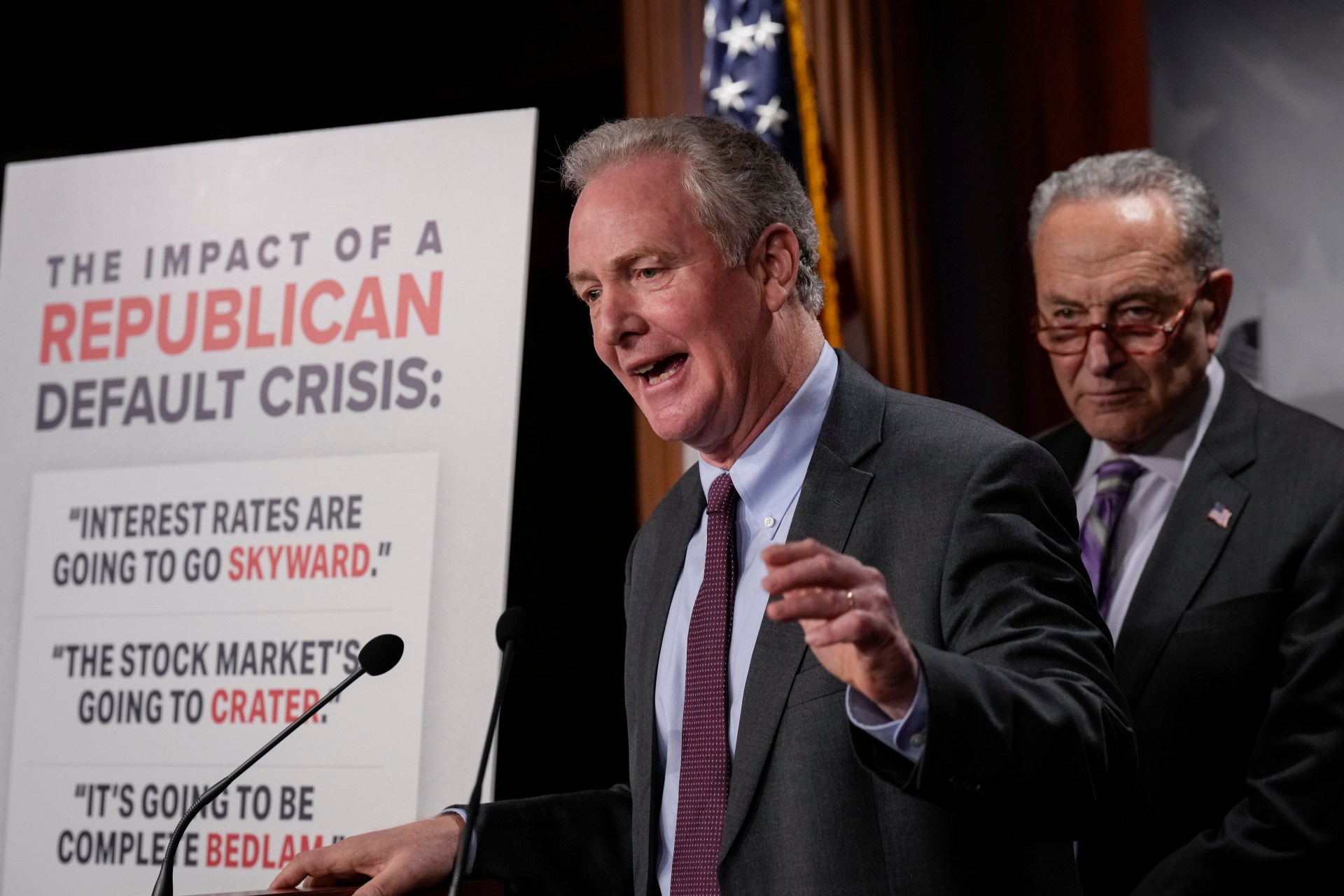
Just as Democrats are about to take their largest majority since the beginning of Barack Obama’s presidency, Maryland Sen. Chris Van Hollen is challenging Schumer for the role of leading that new majority. Van Hollen has won the backing of several senators so far, as well as various outside progressive groups.
In one sense, the reasons Democrats might want to move on from Schumer are obvious. Schumer is 75 years old, and is not a particularly charismatic messenger or compelling speaker. His personal positions on issues like US support for Israel, and his longtime cultivation of Wall Street and corporate donors, put him out of step with the Democratic base. And polls regularly show that he is extremely unpopular.
At the same time, the job of Senate majority leader also isn’t really about winning a national popularity contest. It’s about leading the Senate — a challenging remit that involves a multitude of tasks, including but not limited to setting the legislative calendar, crafting legislative and big-picture policy strategy, dealing with outside interest groups, coordinating with the speaker of the House and president, and trying to hold the majority in the next election.
And there’s another underappreciated part of the job: volunteering to be the one political figure who’s most likely to be hated. Many of the leaders considered especially effective in their role — from Mitch McConnell to Nancy Pelosi — were consistently unpopular, often because the position requires taking constant slings from both outside and inside their party.
It’s this last component that’s perhaps discussed the least — and in conversations with legislative veterans from across the political spectrum, I’ve been surprised how often it’s come up as a critical part of the case for choosing either of them.
The Senate majority leader’s “heat shield” function
How would Van Hollen do the job differently? Publicly, he’s touched on a few points.
In first announcing his leadership bid last week, Van Hollen told MS NOW’s Jen Psaki that Democrats should end President Donald Trump’s “illegal and senseless” Iran war this year, by giving Trump a choice: end the war, or the government gets shut down.
He said at a conference in Denver that he opposed the Senate filibuster — the rule that requires 60 votes to advance nearly all legislation — and said he would have to “talk to the caucus” about it.
And asked by NPR’s Steve Inskeep to name a specific issue in which his approach would be different from Schumer’s, Van Hollen said he would hold a floor vote on the PRO Act, a labor rights bill.
All three positions seem intended to suggest that Van Hollen would try to lead what will be a 56-member Senate caucus in a more progressive direction.
But some experts were skeptical about how well that would work.
“A leader is like a middleman,” James Wallner, a former Republican Senate aide, told me. “They’ve got to negotiate with everybody. In the Senate we haven’t really seen leaders come from a wing of the party. They usually are going to be dispositionally moderate — and that puts them in a position to negotiate with their own colleagues.”
Indeed, current and former Senate leadership aides described the job rather differently — as less about pushing the caucus to do what you want, and more about channeling what senators already want to do, crafting a consensus among them, and serving their needs.
Justin Goodman, a former Schumer aide, told me a crucial part of the job was being a “heat shield for the members when difficult decisions need to be made, and they’re difficult decisions the caucus has support for.”
The premise here is that much, and perhaps most, of what the Democratic base wants can’t happen. Either because of Trump’s veto pen, the chamber’s rules, or simply because many Democratic senators don’t actually want it to happen — the idea is that many disappointments are inevitable, and that the leader will be the fall guy for them. (Another commonly used term? A “sin-eater.”)
Take, for instance, the PRO Act — which, in 2021 and 2022, the last time Democrats controlled Washington, Schumer did indeed refuse to bring to a floor vote. According to Sen. Bernie Sanders (I-VT), Schumer told him he wouldn’t do it unless Sanders could already line up the 60 supporters necessary to beat the filibuster.
The implication is that, if the bill was certain to fail anyway, Schumer did not want to make his vulnerable members take a vote that might be uncomfortable for them — which would expose them to either the base’s fury, or to general election attack ads.
Van Hollen’s professed desire to hold a PRO Act vote would signal a different approach — one that would make progressives happy, and force some moderates to take an uncomfortable vote.
It is not so clear that that approach would be more successful at getting progressive priorities actually signed into law. (And the last time Schumer was majority leader, he did in some instances put moderates on the spot — such as in his push to change Senate rules to pass a voting rights bill, which Sens. Joe Manchin and Kyrsten Sinema voted down.)
But Schumer’s most famous example of “sin eating” occurred in March 2025, when he helped orchestrate the passage of a government funding bill, despite progressives’ desire to threaten a shutdown in hopes of fighting back against what they viewed as the new Trump administration’s authoritarian abuses. “I believe so strongly I did the right thing,” Schumer said then.
“Nobody wants the government to shut down. But a lot of people don’t want to be the ones to vote ‘yes’ to keep it open,” Goodman told me. “So Sen. Schumer, as the leader, was often the one getting the job done and taking the heat for it.”
Schumer later endorsed a more confrontational strategy that resulted in a 43-day government shutdown that fall— but though Democrats were viewed as winning the politics of that fight, some of their members grew increasingly concerned about the pain caused by lapses in government benefits.
Eventually, some Democrats peeled off and voted with the GOP to reopen the government — and though Schumer officially opposed reopening this, he still got blamed for not doing enough to stop it.
Has Schumer lost too much credibility to sell these compromises to the base?
That said, just because Schumer took on the “sin eater” role in the past doesn’t mean he’s the only one who could do it in the future. It’s possible someone more in touch with the party’s base might be better at finding consensus.
Van Hollen is backed by several of the most progressive senators and senators-elect — including Sanders, Abdul El-Sayed of Michigan, and Peggy Flanagan of Minnesota — but he and his supporters have also pushed back against attempts to frame this contest as purely one of progressives versus moderates.
Indeed, when I talked to Ezra Levin, co-founder of the progressive group Indivisible, he made a rather different case. Levin argued that, actually, Van Hollen would do a better job at selling the compromises that inevitably will have to be made to the base — including to progressives like him.
Levin said he entirely agrees that part of the next leader’s job will be to get the caucus to “do some things that are going to be greatly unpopular” — including funding the government, and raising the debt ceiling. “Senate Majority Leader Chris Van Hollen, if he does his job right, is going to piss off me and other folks a lot,” Levin said.
But, he continued, because of Schumer’s history and the longstanding lack of trust in him from the base, Schumer will simply have a harder time selling those compromises.
“If the Senate majority leader is a sponge for anger, you’ve got to change that sponge more than once a decade,” Levin said. “Or that sponge will stop being useful.”
Indeed, House Republicans have twice experienced a dynamic like this, where the base’s deep distrust of Speakers John Boehner and Kevin McCarthy resulted in Boehner’s resignation and McCarthy’s ouster. Then, their more conservative successors, Paul Ryan and Mike Johnson, advanced similar legislative compromises without facing serious revolts of their own. Getting a new face really can buy some goodwill and tamp down disquiet, for a time.
“If I’m a moderate in the Senate, I want somebody else to take the blame if we do have to push through something,” Levin said. “Who can absorb that blame? Who has credibility with the outside actors? With the grassroots groups blowing up my phone? With all the constituent parts of the Democratic Party?”