社会民生
《SNL》的“姐妹”小品精准讽刺了美国医疗保健政策的弊端
中文译文
一则《周六夜现场》的短剧推出了一项名为“Sister”的虚构养老服务,该短剧迅速走红。其核心理念很简单:既然女儿可以免费照顾年迈的父母,为何还要花钱请专业护理人员?
这段视频于2026年11月15日首次播出,引起了广泛共鸣,因为这种照顾方式对数百万美国家庭来说既常见又负担沉重。
根据AARP和全国护理联盟2025年的一份报告,有6300万美国人正在持续照顾家人或朋友,这一数字比过去十年增长了近50%。在这些护理者中,约61%为女性。
作为研究老龄化、长期护理和财务安全问题的学者,我们发现,最初成为护理者的人通常比不承担护理责任的人拥有更好的健康状况和经济状况。但随着时间推移,他们的健康状况和经济状况会比那些不承担护理责任的人更差。虽然社会对性别的期望可以解释为何女儿往往要承担大部分照顾责任,但政府政策也决定了家庭必须提供多少照顾。
医疗保险不涵盖长期护理
美国长期护理体系最显著的特点之一是,为65岁及以上大多数成年人提供的联邦健康保险计划——医疗保险,通常不承担日常护理及生活活动协助的费用。
医疗保险涵盖住院治疗、医生诊疗以及某些家庭健康服务。然而,那些需要帮助完成洗澡、穿衣、准备饭菜或上厕所等日常任务的人,通常无法依靠医疗保险来获得这些协助。根据医疗保险的家庭健康福利规定,只有在患者术后或遭遇医疗紧急情况后同时符合专业护理或治疗服务的资格,并满足医疗保险规定的居家要求时,有限的个人护理服务才可能获得报销。这一区别会带来巨大的影响。65岁以上的人或许能获得全面的医疗护理保障,但在完成维持居家安全所需的日常任务方面却得不到太多帮助。而且这类护理服务费用高昂:2025年,全国范围内请家庭健康护理员的平均月费约为6,688美元,而住在辅助生活设施中的老人则平均每月需支付6,141美元。
对许多美国老年人来说,支付他们所需的护理费用根本遥不可及。2025年哈佛大学的一项研究显示,在支付了住房及基本生活开支后,75岁及以上的老年人中有76%无力承担家庭健康护理员的日常协助服务。当付费护理难以负担时,这些责任往往就落在了亲属身上,或者极少数情况下由密友承担。
医疗补助可以提供帮助,但获取途径有限
医疗补助是为低收入人群或残疾人设立的公共健康保险计划,也是该国主要的长期护理费用支付机构。与医疗保险不同,医疗补助可以支付家庭中的个人护理费用,包括协助洗澡、穿衣及其他日常活动。2023年,该计划涵盖了美国近三分之二的居家护理支出。这两种计划的分野可追溯到1965年,当时医疗保险旨在为老年人提供医疗保障,而医疗补助则旨在为低收入人群提供健康保险。随着对这些高成本服务需求的增加,医疗补助逐渐成为该国长期护理服务的主要支付方。
然而,获得医疗补助资格通常需要满足各州规定的经济及其他标准。许多老年人必须在耗尽大部分积蓄后才能获得援助。
即便符合该计划的资格,也不保证所有所需服务都能立即得到提供。各州在提供居家服务方面拥有很大自主权,许多符合条件的人需要等待一年多时间才能获得服务。那么在这段时间里由谁来提供照顾呢?
有偿护工短缺
无论是通过医疗补助计划,还是通过私人保险公司日益减少的长期护理保险选项来获得保障,都只是问题的一部分。要找到可靠的帮手实属困难。
包括家庭健康助手和个人护理助理在内的全国直接护理行业面临着持续的招聘和留任难题。随着移民执法行动和驱逐令的增多,这一劳动力队伍可能会进一步减少——这些工作者中有三分之一是外国出生的。
2025年,直接护理工作的时薪中位数为17.99美元,仅比快餐业工人的时薪高出2到3美元。
提供照顾往往会产生经济上的影响
当有偿帮助无法获得、不足或负担不起时,女儿和其他亲属往往需要投入更多时间来填补照顾的空缺。家庭护理者可能不得不减少工作时间或辞去工作。这些决定不仅会立即降低他们的收入,还会减少他们的退休储蓄,进而影响他们未来能获得的社会保障福利。
联邦《家庭和医疗休假法》为符合条件的员工提供最长12周的带薪休假,用于照顾某些家庭成员,但这段休假期间没有工资收入。而照顾患有慢性疾病的年长父母的工作可能在这些休假结束后仍会持续多年。
由于女性更有可能承担家庭护理责任,她们面临这些就业和财务风险的程度也更高。
家庭往往不得不承担这些责任。在过去的二十年里,一些州开始着手弥补这些缺陷。例如,加利福尼亚州、新泽西州以及另外十几个州推出了带薪家庭休假计划。在纽约州和其他一些州,医疗补助计划为家庭护理人员提供补偿。华盛顿州则协助资助长期护理保险。
2024年,时任副总统卡玛拉·哈里斯提议扩大医疗保险范围,以涵盖更多居家护理服务,这一举措本可解决当前体系中的主要缺陷之一。但在哈里斯在2024年选举中落败后,这位民主党总统候选人的提议便再未取得进一步进展。
《周六夜现场》的“姐妹”短剧以幽默的方式调侃了令人尴尬的家族关系,但这一问题远不止于兄弟姐妹之间是否公平分担责任。正是政府政策导致如此多的责任最初就落在了家庭身上。当公共项目无法满足老年人的护理需求时,这些需求并不会消失。相应的照料工作以及由此产生的经济和个人成本,只会转嫁给其他人。而大多数情况下,这个人就是女儿。
原文
A “Saturday Night Live” sketch that introduced a fictional elder care service simply called “Sister” has gone viral. The premise was simple: Why pay for professional care for an aging parent when a daughter can do it for free?
The clip, which first aired on Nov. 15, 2026, struck a nerve because this kind of arrangement is familiar and burdensome for millions of American families.
According to a 2025 report from AARP and the National Alliance for Caregiving, 63 million Americans provide ongoing care to a family member or friend, an increase of nearly 50% over the past decade. About 61% of these caregivers are women.
As researchers who study aging, long-term care and financial security, we’ve found that those who become caregivers initially have better health and financial status than noncaregivers. But they then experience relatively worse health and financial decline over time compared with their noncaregiving counterparts.
While societal gender expectations help explain why daughters often assume the bulk of caregiving responsibilities, government policies have also determined how much care families must provide.
Medicare doesn’t cover long-term care
One of the most consequential features of America’s long-term care system is that Medicare, the federal health insurance program covering most adults 65 and older, generally does not pay for ongoing care and assistance with everyday activities.
Medicare covers hospitalizations, physician visits and certain home health services. However, those who need help with daily tasks such as bathing, dressing, preparing meals or getting to the bathroom generally cannot rely on Medicare to pay for that assistance. Under Medicare’s home health benefit, limited personal care may be covered only when a patient also qualifies for skilled nursing or therapy services following surgery or a medical emergency and meets Medicare’s homebound requirements.
This distinction has enormous consequences. Someone over 65 may have comprehensive coverage for medical treatment but little help with the daily tasks necessary to remain safely at home. And this care is expensive: The national median cost of a home health aide was approximately US$6,688 per month, while residing in an assisted living facility averaged $6,141 per month in 2025.
For many older Americans, paying for the care they need is simply out of reach. A 2025 Harvard study found that 76% of households age 75 and older could not afford daily assistance from a home health aide after covering housing and basic living expenses. When paid care is unaffordable, those responsibilities frequently fall to relatives or, more rarely, close friends.
Medicaid can help, but access is limited
Medicaid, the public health insurance program for people who are low-income or have disabilities, is the country’s primary long-term care payer.
Unlike Medicare, Medicaid can pay for personal assistance at home, including help with bathing, dressing and other daily activities. The program covered nearly two-thirds of U.S. home care spending in 2023. The divide between these programs dates back to 1965, when Medicare was created to cover medical care for older adults, while Medicaid was designed to provide health coverage for people with low incomes. Over time, Medicaid became the country’s main payer for long-term care as the need for these costly services grew.
However, Medicaid eligibility generally requires meeting financial and other criteria that vary by state. Many older adults must exhaust most of their savings before qualifying for assistance.
Even being eligible for the program doesn’t guarantee that all needed services will be readily available. States have considerable discretion over the home-based services they provide, and many eligible people spend more than a year on waitlists to get services.
Who provides care in the meantime?
There’s a shortage of paid caregivers
Having coverage, whether through Medicaid or the dwindling options available through private insurers to pay for long-term care, is only part of the challenge. Finding reliable help can be a struggle.
The nation’s direct care workforce, which includes home health aides and personal care assistants, faces persistent recruitment and retention challenges. These shortages may get worse as immigration enforcement and deportations reduce the workforce – one-third of these workers are foreign-born.
The median hourly wage for direct care work was $17.99 in 2025, only $2-$3 per hour more than what fast-food workers earned.
Caregiving often has financial consequences
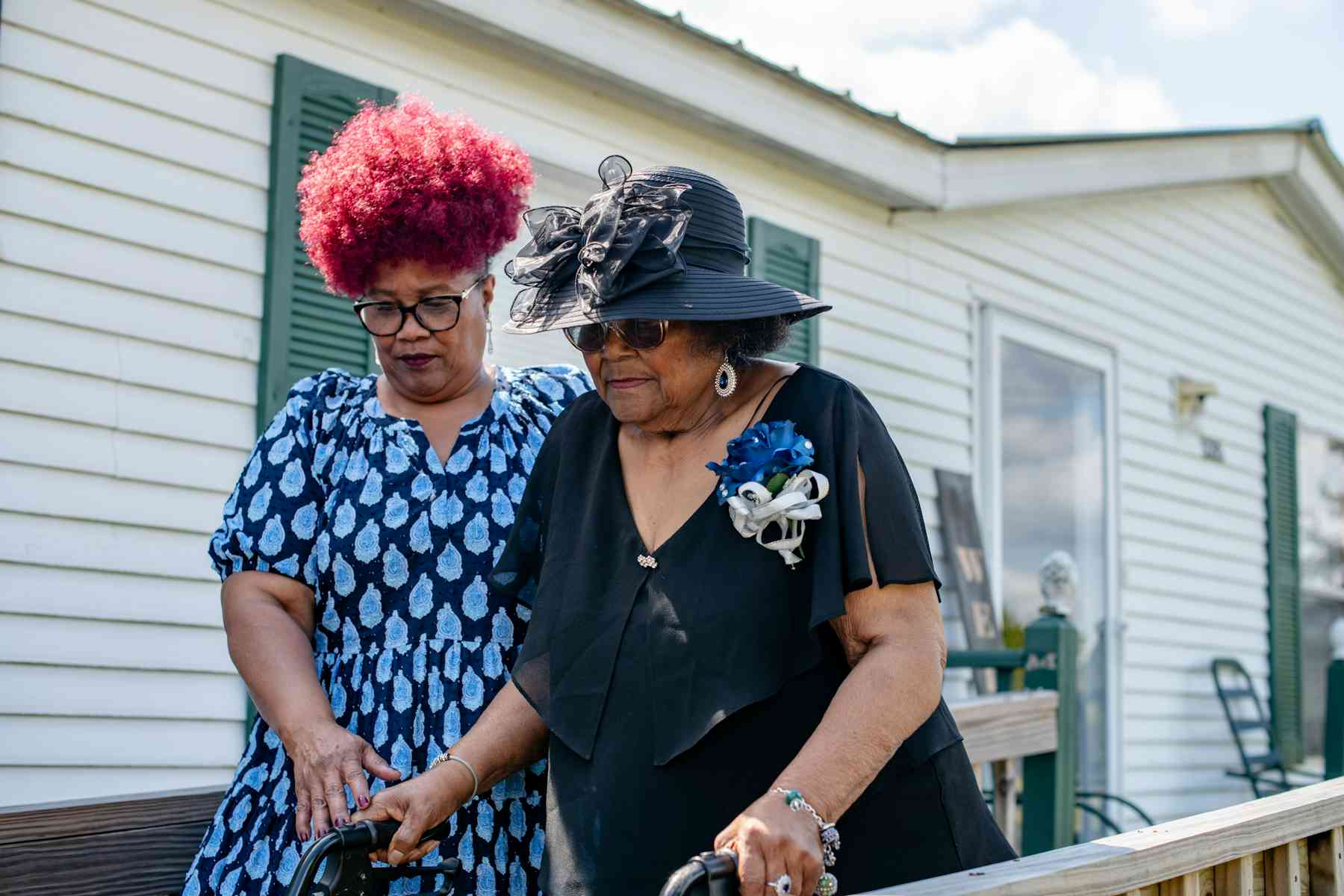
When paid assistance is unavailable, insufficient or unaffordable, daughters and other relatives often fill the gaps by providing additional hours of care.
Family caregivers may have to work fewer hours or quit their jobs. These decisions not only reduce their income right away, but also whittle down their retirement savings and can depress the Social Security benefits they get in the future.
The federal Family and Medical Leave Act provides eligible workers with up to 12 weeks of job-protected leave to care for certain family members, but the leave is unpaid. And caring for an older parent with chronic health conditions may continue for years after that leave runs out.
Because women are more likely to provide family care, they also face disproportionate exposure to these employment and financial risks.
Families often have to shoulder responsibility
Over the past two decades, some states have begun to address these gaps. California, New Jersey and about a dozen other states, for example, have launched paid family leave programs. In New York and some other states Medicaid is compensating family caregivers. Washington state is helping finance long-term care coverage.
In 2024, then-Vice President Kamala Harris proposed expanding Medicare to cover more in-home assistance, an approach that would have addressed one of the main gaps in the current system. The Democratic presidential nominee’s proposal never moved beyond the campaign trail after Harris lost the 2024 election.
“Saturday Night Live’s” “Sister” sketch makes light of an uncomfortable family dynamic, but the issue extends well beyond whether brothers and sisters divide responsibilities fairly. Government policies are behind why so much of that responsibility falls on families in the first place.
When public programs do not cover the care older adults need, the need does not disappear. The work, and its financial and personal costs, simply shift to someone else. More often than not, that someone is a daughter.