科技
超越效率:钙钛矿的绿色账本依然失衡
中文译文
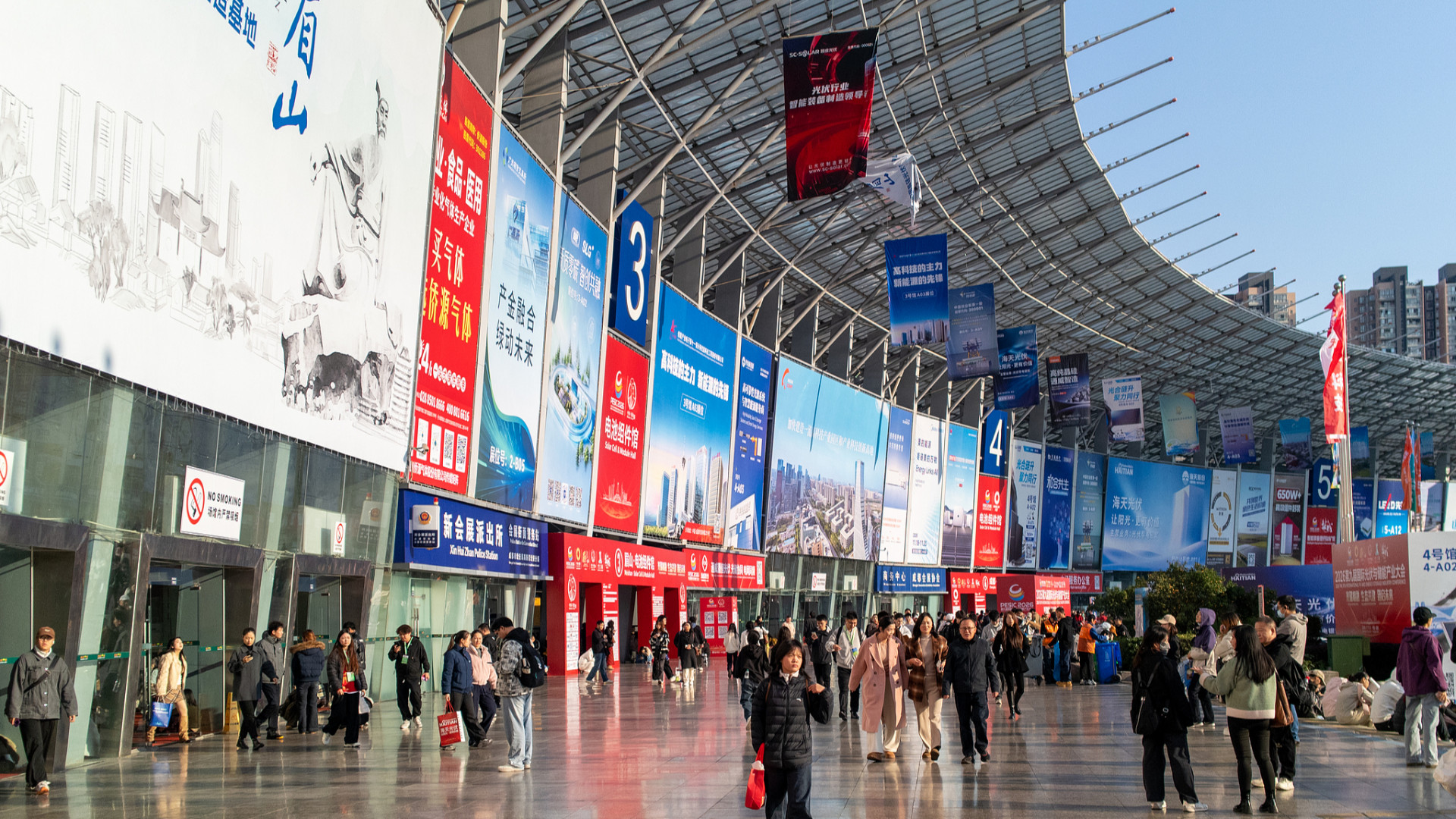
在成都举行的第九届中国国际光伏与储能产业大会上,首次出现了钙钛矿相关展览,这一现象明确表明:中国的叠层电池效率提升竞赛正在加速。
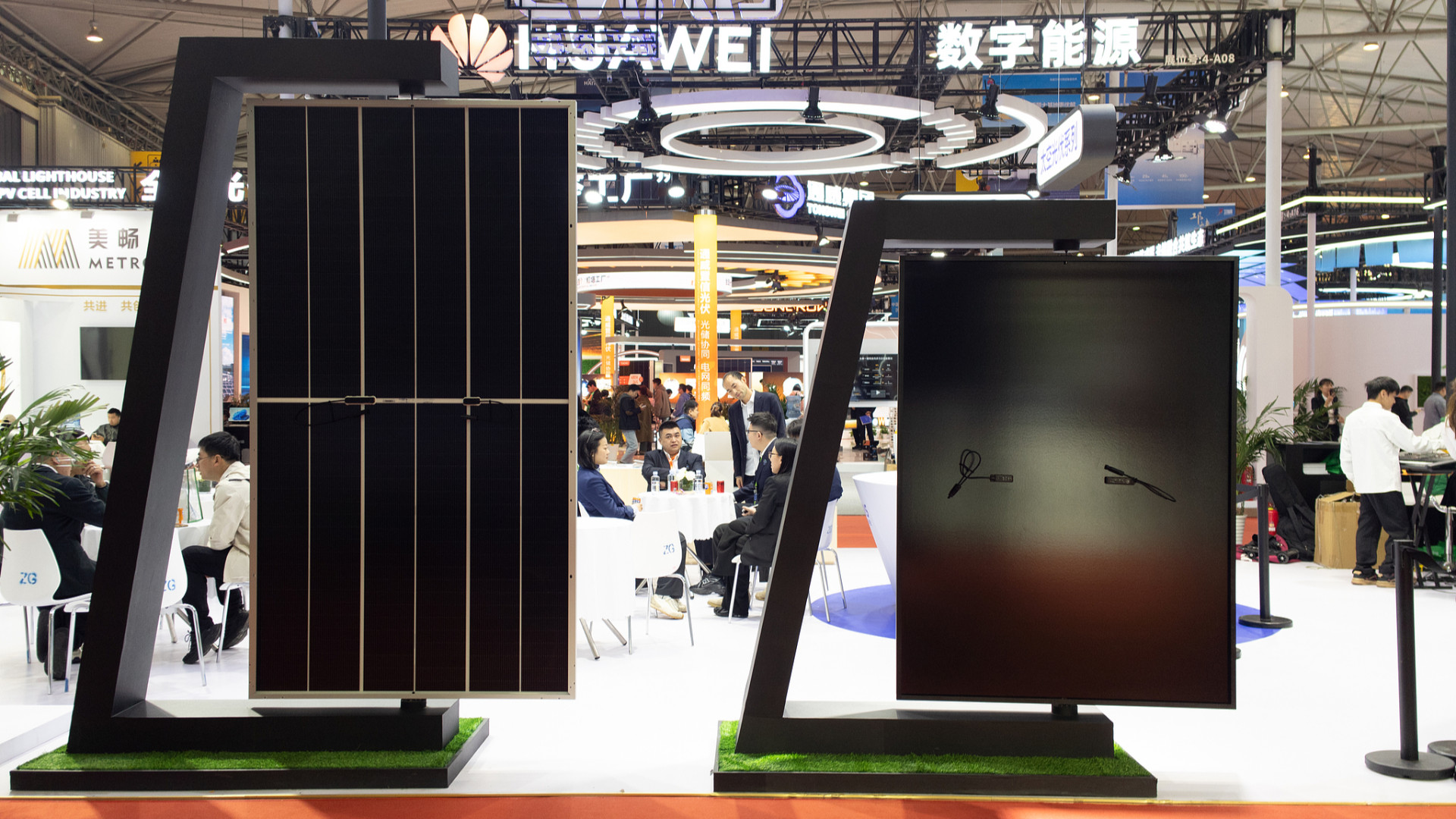
晶科能源在周四宣布其TOPCon/钙钛矿叠层电池的转换效率达到了35.24%,这是该公司今年第五次创造新的效率纪录。隆基绿能则在7月报告了35.5%的转换效率,261平方厘米尺寸的电池转换效率为34.3%,同时还推出了一条100兆瓦的试点生产线。南京大学和瑞芯光能则宣称其全钙钛矿电池模块的转换效率为26.2%(65平方厘米尺寸);3.1平方厘米尺寸的叠层电池模块则实现了907瓦的功率输出,转换效率为29.2%。
不过,这场效率竞赛尚未结束。目前高效率电池仍依赖铅元素。无铅替代材料的发展远远落后——柔性无铅电池的转换效率仅为4.95%,而基于锡的钙钛矿材料则存在氧化和不稳定的问题。封装与回收可以利用来缩小差距:超声波水浸法可去除99.8%以上的铅,每平方米可带来约4.735美元的净经济收益,而水基处理方法的成本则可低于每平方米3美元。来自德国尤利希的研究人员甚至将旧铅弹转化为光伏级二碘化铅,转化率为94%,由此制成的电池转换效率约为21%。然而,强制性的封装要求、回收责任以及跨境监管认可机制目前仍缺失。
在会议上,长江太阳能技术研究所的沈晖警告称,大规模生产为时“过早”,且相关数据是在特定条件下测得的。“一家企业的真正实力体现在其大规模生产模块的平均效率与可靠性上,”他说,并强调在建筑一体化光伏系统中安全性至关重要。沈晖还指出,中国在效率方面处于领先地位,但仍依赖国外机构进行权威认证。马丁·格林已连续第四年参与这项工作,他早先就警告称,钙钛矿材料的稳定性问题可能需要十年时间才能解决,甚至可能永远无法解决。他还推动了首个第三方户外测试项目。
中国的处境十分特殊:既是发展最快的国家,又可能面临最严重的铅相关环境问题。正因如此,绿色标准——包括泄漏限制、回收率以及闭环式铅管理——对中国而言并非仅仅是表面姿态,而是关乎根本利益的考量。效率使中国获得了参与决策的资格;而绿色标准则仍是尚未签署的协议。
原文
The 9th China International PV & Storage Industry Conference in Chengdu, with its first perovskite exhibition, made one thing clear: China's tandem efficiency race is accelerating.
JinkoSolar announced a 35.24% TOPCon/perovskite tandem cell on Thursday, its fifth record this year. LONGi reported 35.5% in July, 34.3% on 261 square centimeters, and a 100-megawatt pilot line. Nanjing University and Renshine claimed 26.2% on a 65 sqcm all-perovskite module; a 3.1-sqm tandem module reached 907 W and 29.2%.
But the green ledger is not closed. High efficiency still depends on lead. Lead-free alternatives remain far behind – flexible lead-free cells reached only 4.95%, and tin-based perovskites suffer from oxidation and instability.
Encapsulation and recycling can narrow the gap: Ultrasonic water leaching removes over 99.8% of lead with a net economic benefit of about $4.735 per sqm, and aqueous routes can fall below $3 per sqm. Researchers from Julich, Germany even converted old lead bullets into photovoltaic-grade Lead diiodide at 94% yield, producing cells at around 21%. Yet mandatory encapsulation limits, recycling responsibility and cross-border regulatory recognition are still missing.
At the conference, Shen Hui of the Yangtze Institute for Solar Technology warned that mass production is "premature" and that records are measured under specific conditions. "The real level of a company is its average mass-production module efficiency and reliability," he said, adding that safety in building-integrated PV is critical. Shen also noted China leads in efficiency but still relies on foreign institutions for authoritative certification. Martin Green, attending for the fourth year, has long cautioned that perovskite stability may take a decade – or may never be solved – and launched the first third-party outdoor testing program.
China's position is dual: fastest industrializer and largest potential exposure to lead externalities. That makes green standards – leakage limits, recycling rates and closed-loop lead management – not a gesture but a structural interest. Efficiency earned China a seat at the table; the green ledger is the agreement still unsigned.