社会民生
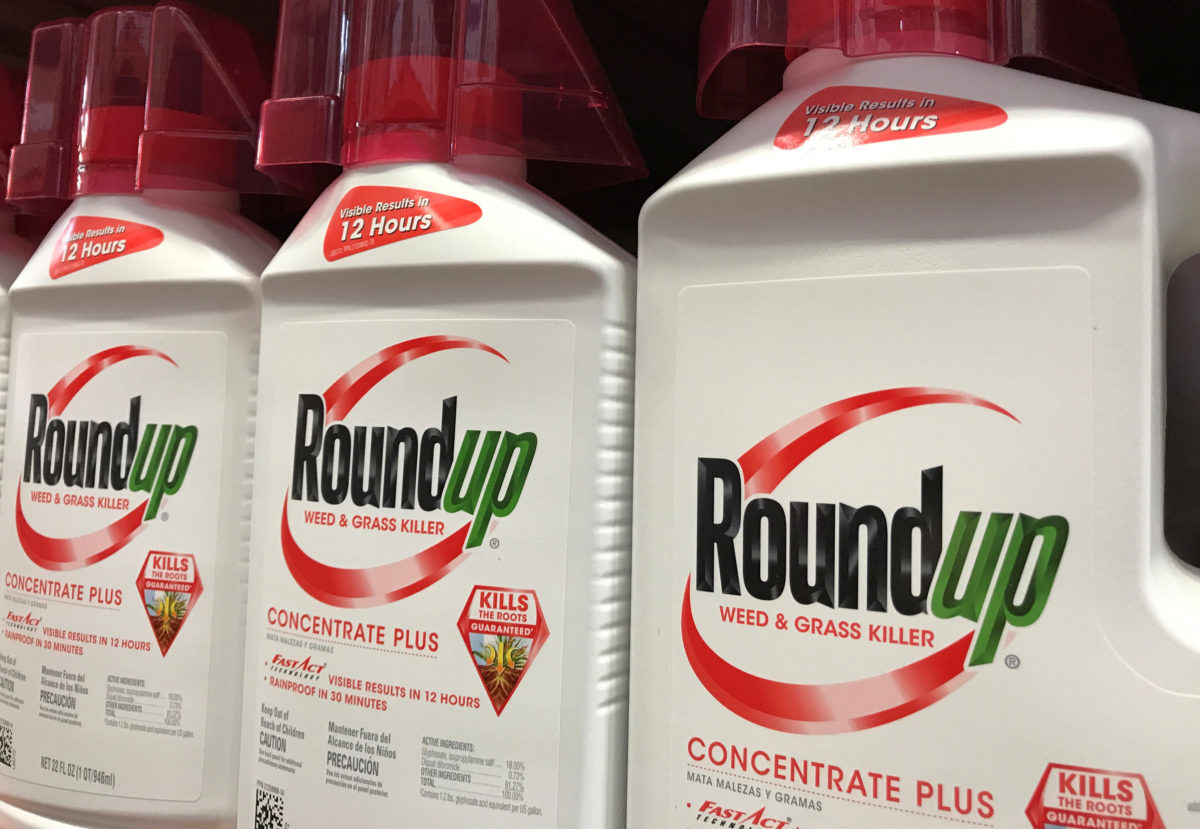
法院批准拜耳就“农达”除草剂致癌指控支付72.5亿美元和解金
中文译文
密苏里州杰斐逊城(美联社)——根据密苏里州一名法官周五批准的和解协议,农用化学品制造商拜耳将在20年内支付高达72.5亿美元,以解决数千名美国癌症患者提出的索赔要求。这些患者认为该公司本应警告人们,其畅销的除草剂农达可能引发淋巴瘤。
观看:科学告诉我们关于农达健康风险的信息
这项全国性的和解协议既适用于已经患病的农达使用者,也适用于未来几年被诊断出患有非霍奇金淋巴瘤的人。根据使用者使用该产品的方式、确诊时的年龄以及病情的严重程度,他们获得的赔偿金额可能在1万美元到16.5万美元之间。对于总部位于德国、否认农达会致癌的拜耳公司而言,这项和解协议为不断上升的诉讼成本提供了一定的财务保障,这些成本曾促使该公司考虑将该产品从美国农业市场撤出。拜耳已经修改了其面向家庭用户销售的农达产品的配方。
诉讼双方也面临着不确定性。在和解协议尚未达成期间,美国最高法院削弱了农达相关诉讼中的一个核心论点。最高法院在6月裁定,由于联邦法规并未要求标注癌症警告标签,各州也不得施加额外的标签要求,因此不能以拜耳未就癌症风险发出警告为由在州法院起诉该公司。
尽管一些癌症患者的律师认为和解赔偿金额过低,但另一些律师则认为,与一无所获相比,这项协议已经算是不错的结果——而在最高法院作出裁决后,一无所获的可能性进一步增加了。在一份批准该和解协议的书面判决中,圣路易斯巡回法院法官蒂莫西·博耶表示,平均每人的赔偿金额“公平且合理”,而总赔偿金额则“属于大规模侵权个人伤害集体诉讼和解案中的最高水平之一”。
拜耳公司首席执行官比尔·安德森在一份声明中表示,法院批准的这项和解协议“是该公司降低现有及未来关于农达产品的诉讼风险战略中的重要里程碑”。
该判决可以上诉。
农达产品已被用于除草超过50年。
总部位于密苏里州的孟山都公司于1974年推出了以草甘膦为活性成分的农达除草剂。该产品很快便成为农业领域使用最广泛的除草剂之一。农达设计用于与能够抵抗其致命作用的转基因种子一起使用,这样农民就可以在减少耕作、保护土壤的同时提高产量。视频:美国林业局及木材公司在加利福尼亚喷洒创纪录量的草甘膦
该产品也常被用于草坪和花园。
2018年拜耳收购孟山都后,将农达纳入其产品系列。此后,越来越多的诉讼声称草甘膦会导致非霍奇金淋巴瘤,但这一观点仍存在争议。2015年,世界卫生组织国际癌症研究机构将这种化学物质列为“可能致癌物”。美国环境保护局则认为,按照规定使用该物质不太可能引发人类癌症。
已有约20万起与农达相关的诉讼针对拜耳提起,其中许多诉讼来自在住宅草坪和花园中使用该产品的人士。因此,拜耳已从面向住宅市场的新型农达产品中去除了草甘膦。这些诉讼的结果参差不齐。只有几十起案件交由陪审团审理,其中一些陪审团支持拜耳,另一些则支持原告。在一起案件中,佐治亚州的陪审团判给原告21亿美元。
在最高法院作出具有里程碑意义的裁决后首起关于农达的判决中,10月密苏里州的一组陪审团在一起指控存在设计缺陷、疏忽和欺诈行为的案件中支持了拜耳。拜耳的美国总法律顾问兼全球诉讼负责人比尔·多德罗表示,这一判决“应发出一个强烈的信号”,即未来原告在提起与农达相关的癌症诉讼时“将面临巨大挑战”。
律师们对这一和解是否公平存在分歧。
此前,拜耳已拨出160亿美元用于支付与农达案件相关的法律费用。这项新的和解协议是在此基础之上制定的,旨在解决大部分剩余的诉讼案件,以及那些在2月提出和解方案之前接触过农达的人在未来可能提起的新增诉讼。“今天的最终批准令为那些等待正义已超过十年的农达致癌症受害者提供了有保障的赔偿,”该案件中为癌症患者担任法庭指定律师的克里斯托弗·A·西格表示。
根据和解协议,拜耳需在21年内每年向专项基金捐款,总额最高可达72.5亿美元。每位受害者获得的赔偿金额各不相同。那些长期接触农达的农业工人、工业工人或草坪护理工人,如果在60岁之前被诊断出患有恶性癌症,平均可获得165,000美元的赔偿;而78岁或以上被诊断出相同疾病的人则获得的赔偿要少得多,平均为10,000美元。
一些律师认为,个人获得的赔偿金额过低,且相关条款过于苛刻。“这项和解协议是迄今为止人们所设想过的最可怕、最糟糕的未来和解方案,”律师格森·斯莫格在9月关于该和解协议是否公平的法庭听证会上说道。他认为,该协议会让未来的索赔者长期受困,且无法获得惩罚性赔偿,同时“仍让那些有害产品留在市场上,使受害者继续遭受危害。”
该和解协议是在密苏里州的圣路易斯巡回法院提交的,那里是拜耳北美作物科学部门的所在地,也是许多诉讼案的发源地。
原文
JEFFERSON CITY, Mo. (AP) — Agrochemical maker Bayer will pay up to $7.25 billion over two decades to resolve thousands of claims from U.S. cancer patients asserting the company should have warned people that its popular weed killer Roundup could cause lymphoma, according to a settlement approved Friday by a Missouri judge.
WATCH: What science tells us about the health risks of Roundup
The nationwide settlement applies both to Roundup users who already are ill and those who become diagnosed with non-Hodgkin lymphoma in future years. Participants could get an average of between $10,000 and $165,000, depending on how they used the product, how old they were when diagnosed and the severity of their illness.
For Germany-based Bayer, which denies that Roundup causes cancer, the settlement provides some financial certainty against mounting litigation costs that have led it to contemplate pulling the product from U.S. agricultural markets. Bayer already has changed the formula for its Roundup version sold to residential users.
Litigants also faced uncertainty. While the settlement was pending, the U.S. Supreme Court undercut one of the central arguments in the Roundup lawsuits. The high court ruled in June that Bayer cannot be sued in state courts on claims it failed to warn about cancer, because federal regulations don't require a cancer warning label and states are forbidden from imposing additional labeling requirements.
Though some attorneys for cancer patients contend the settlement payouts are too small, others argue the deal is better than getting nothing — which became a heightened likelihood after the Supreme Court ruling.
In a written judgment granting approval, St. Louis Circuit Judge Timothy Boyer said the average individual payouts are "fair and adequate" and the total dollar amount is "among the largest in the history of mass tort personal-injury class action settlements."
Bayer CEO Bill Anderson said in a statement that the court-approved settlement is "a decisive milestone in the company's strategy to mitigate the risks of both pending and future Roundup litigation."
The decision could be appealed.
Roundup has been used on weeds for over 50 years
Missouri-based Monsanto debuted Roundup weed killer in 1974 with the chemical glyphosate as its active ingredient. The product quickly became one of the most widely used herbicides in agriculture. Roundup is designed to be used with genetically modified seeds that can resist the weed killer's deadly effect, thus allowing farmers to produce more while conserving the soil by tilling it less.
WATCH: U.S. Forest Service, timber companies spraying record amounts of glyphosate in California
The product also is commonly applied on lawns and gardens.
Bayer added Roundup to its portfolio when it acquired Monsanto in 2018. With it came a growing number of lawsuits alleging glyphosate causes non-Hodgkin lymphoma. But that remains in dispute. The World Health Organization's International Agency for Research on Cancer classified the chemical as "probably carcinogenic" in 2015. The U.S. Environmental Protection Agency has determined that it's not likely to cause cancer in humans when used as directed.
About 200,000 Roundup-related claims have been made against Bayer, many coming from people who used it on residential lawns and gardens. As a result, Bayer has removed glyphosate from its new versions of Roundup sold for residential markets.
The lawsuits have produced mixed results. Only a couple dozen cases have gone to jurors, some siding with Bayer and others with plaintiffs. In one case, a Georgia jury awarded plaintiffs $2.1 billion.
In the first Roundup verdict since the Supreme Court's precedent-setting ruling, a Missouri jury in October sided with Bayer in a case alleging design defects, negligence and fraud. The verdict "should send a strong signal" that plaintiffs "will face significant challenges" pursuing Roundup-related cancer claims in the future, said Bill Dodero, Bayer's U.S. general counsel and global litigation leader.
Attorneys disagree on whether the settlement is fair
Bayer previously set aside $16 billion to cover legal costs related to Roundup cases. The new settlement, which is in addition to that, is designed to address most of the remaining lawsuits, as well as any additional cases brought in the coming years by people who were exposed to Roundup before the settlement was proposed in February.
"Today's final approval order delivers guaranteed compensation to Roundup cancer victims who have waited more than a decade for justice," said Christopher A. Seeger, a court-appointed counsel for cancer patients in the case.
The settlement calls for Bayer to make annual payments into a special fund for up to 21 years, totaling as much as $7.25 billion. The amount of money paid out to individuals would vary. Agricultural, industrial or turf workers exposed at length to Roundup could receive an average of $165,000 if they were diagnosed with an aggressive form of the illness while younger than age 60. But anyone diagnosed at age 78 or older would get significantly less, with an average of $10,000.
Some attorneys have said the individual settlement amounts are too small and the terms too restrictive.
"This settlement is the scariest, worst future settlement that's ever been contemplated," attorney Gerson Smoger said during a September court hearing on whether the settlement was fair. He said it locked in future claimants for decades with no chance at punitive damages yet "kept the product that they were exposed to on the market, allowing the victims to continue to be exposed."
The settlement was filed in St. Louis Circuit Court in Missouri, home to Bayer's North America crop science division and the state where many of the lawsuits have been brought.