社会民生
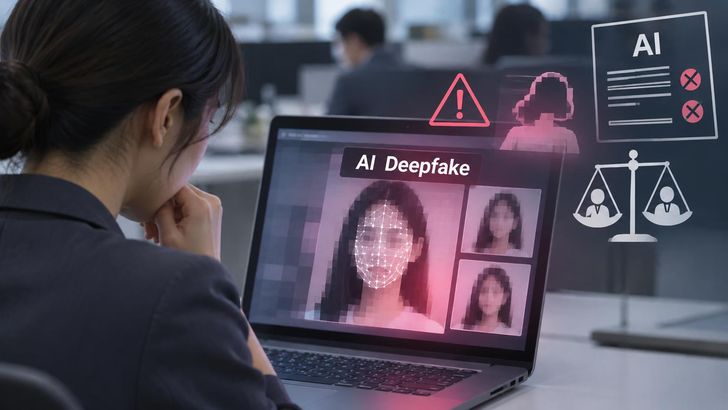
一半的韩国劳动者担心工作场所的照片可能被用于人工智能性犯罪。
中文译文
周日的一项调查显示,韩国超过半数的员工担心自己发布在公司内网或消息平台上的照片可能被用于人工智能辅助的性犯罪中。
这项调查由劳工权益组织Workplace Gapjil 119委托,调研机构为Global Research。在1000名19岁及以上的受访者中,53.1%的人表示担心自己的工作场所照片会被用于此类犯罪。调查时间为8月1日至7日。
女性中的担忧更为普遍,58.2%的女性表示焦虑,而男性受访者的这一比例为49%。
调查还指出企业缺乏相应的防护措施。只有11.6%的受访者表示其雇主有规则来预防和应对与人工智能相关的性犯罪。近一半,即48.6%的受访者称其公司没有此类规则,另有39.8%的受访者表示不清楚是否存在此类规则。当被问及企业应采取哪些措施时,29.2%的人呼吁制定更严格的安全法规,而28.8%的人认为雇主应制定明确界定数字性犯罪的标准,并设定零容忍的纪律措施。
该调查还研究了人工智能对招聘领域性别不平等现象的影响。
近40%的受访者认为,由人工智能驱动的自动化技术可能会首先取代女性占多数的职业中的工作岗位,从而增加女性失业的风险。另有36.8%的人表示,基于人工智能的招聘系统可能会通过学习以男性为主的招聘记录而使女性求职者处于不利地位。
为防止此类歧视,42.9%的人呼吁企业全面公开人工智能在评估员工时所使用的标准与细节。另外40.4%的人认为企业应定期检查基于人工智能的招聘系统是否存在性别偏见,并将检查结果公之于众。该民间团体的劳工律师金佳妍表示:“人工智能技术正在快速发展,而网络性犯罪和性别歧视正在渗透到我们的日常生活中。企业和政府需要采取积极措施,营造安全的工作环境。”
原文
More than half of workers in Korea worry that photos of themselves posted on company intranets or messaging platforms could be used in artificial intelligence (AI)-assisted sex crimes, a survey showed Sunday.
According to the survey commissioned by labor rights group Workplace Gapjil 119 and conducted by polling firm Global Research, 53.1 percent of 1,000 workers aged 19 or older said they were concerned that their workplace photos could be exploited for such crimes. The survey was conducted from Aug. 1–7.
The concern was more widespread among women, with 58.2 percent expressing anxiety, compared with 49 percent among male respondents.
The survey also pointed to a lack of safeguards at companies. Only 11.6 percent of respondents said their employers had rules in place to prevent and respond to AI-related sex crimes. Nearly half, or 48.6 percent, said their companies had no such rules, while another 39.8 percent said they did not know whether such rules existed.
Asked what measures companies should take, 29.2 percent called for stronger security regulations, while 28.8 percent said employers should establish workplace policies that clearly define digital sex crimes and set zero-tolerance disciplinary standards.
The survey also examined AI's impact on gender inequality in hiring.
Nearly 40 percent of respondents agreed that AI-driven automation could replace jobs in female-dominated occupations first, increasing women's risk of unemployment. Another 36.8 percent said AI-assisted recruitment systems could disadvantage female applicants by learning from male-dominated hiring records.
To prevent such discrimination, 42.9 percent called for companies to fully disclose the criteria and details used by AI in evaluating employees. Another 40.4 percent said companies should regularly check AI-backed hiring systems for gender bias and make the findings public.
"AI technology is advancing rapidly, while digital sex crimes and gender discrimination are penetrating our everyday lives. Companies and the government need to take proactive measures to create safe workplaces," said Kim Ja-yeon, a labor attorney at the civic group.