军事·安全
联合国未能就规范“杀手机器人”的规则达成一致。
中文译文
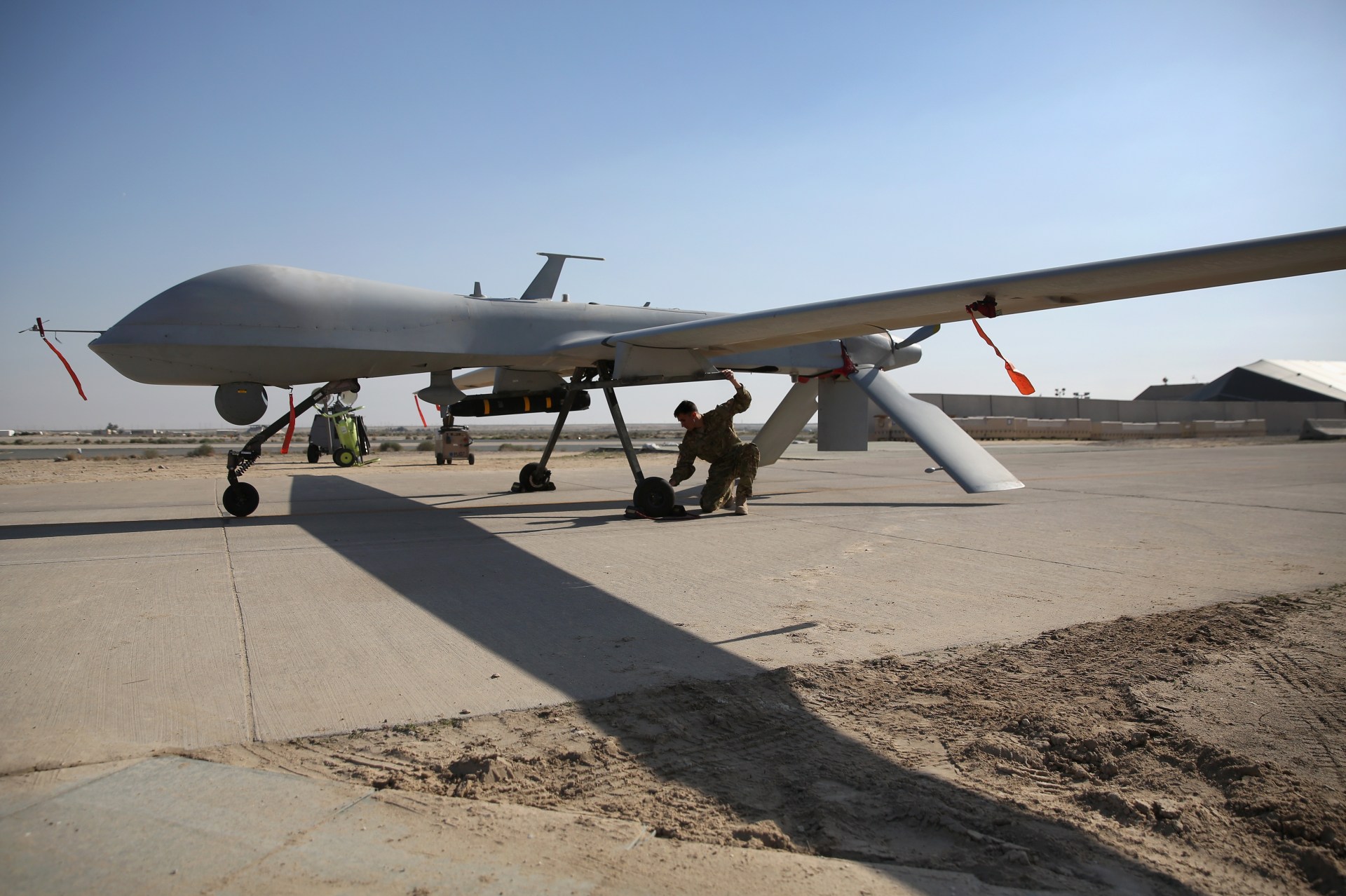
本周在日内瓦召开的联合国外交官会议议程之一,就是制定关于使用自主武器,即所谓“杀手机器人”的规则。经过一周几乎毫无成果的谈判后,与会代表最终同意“开始探讨相关方案”。
据NPR报道:
在谈判开始之前,作为《日内瓦公约》监督机构的国际红十字会表示,亟需在一年内制定具有法律约束力的规则。这一呼吁得到了联合国秘书长以及教皇利奥的支持。
各方达成的妥协是,各国将有两年时间来提出相关法规。而关于应采用何种法规以及如何执行这些法规的国与国之间的谈判,很可能会持续更长时间。此外,那些尚未制定的法规仍有可能保持“可选”状态。
由于半自主武器和无人机已在包括乌克兰、加沙和苏丹在内的全球多起冲突中导致大量平民死亡,人道主义组织和一些国家认为亟需制定具有法律约束力的规则。
据NPR报道,俄罗斯、以色列和美国是主要的阻碍因素:
会议首日,俄罗斯就反对会议议程,从而拖延了进程。随后,美国提议用五年的时间来讨论针对自主武器的非约束性、可选性指导原则。
原文
One of the items on the agenda for UN diplomats meeting in Geneva this week was working towards rules regarding the use of autonomous weapons, or so-called “killer robots.” Eventually, representatives left the meetings agreeing to “start discussing options” after a largely fruitless week of negotiations.
According to NPR:
Before the negotiations got underway, the International Committee of the Red Cross, the guardian of the Geneva Conventions, said it was urgent for legally binding rules to be drafted within a year. That call was backed by the U.N. secretary-general and by Pope Leo.
The compromise reached was that countries would instead have two years to propose regulations. Negotiations between countries on which regulations to adopt and how to enforce them will likely drag on well beyond that. Additionally, room was left for some of those yet-to-be-adopted regulations to remain “optional.”
Humanitarian organizations and some countries see a need to urgently adopt legally binding rules as semi-autonomous weapons and drones have been responsible for a significant number of civilian deaths in conflicts around the globe, including in Ukraine, Gaza, and Sudan.
According to NPR, Russia, Israel, and the US proved to be the primary obstructions:
On day one, Russia delayed proceedings by objecting to the meeting’s agenda. Then the United States proposed a five-year window to discuss nonbinding, optional guidelines for autonomous weapons.