科技
氛围编码革命即将降临到所有设备上。
中文译文
这是《Stepback》,一份每周发布的新闻简报,为您解读科技领域中一个重要的故事。如想了解更多关于“氛围操控”的内容,请关注David Pierce。《Stepback》将于美国东部时间每周日早上8点发送到订阅者的邮箱中。点击此处即可订阅《Stepback》。
起源
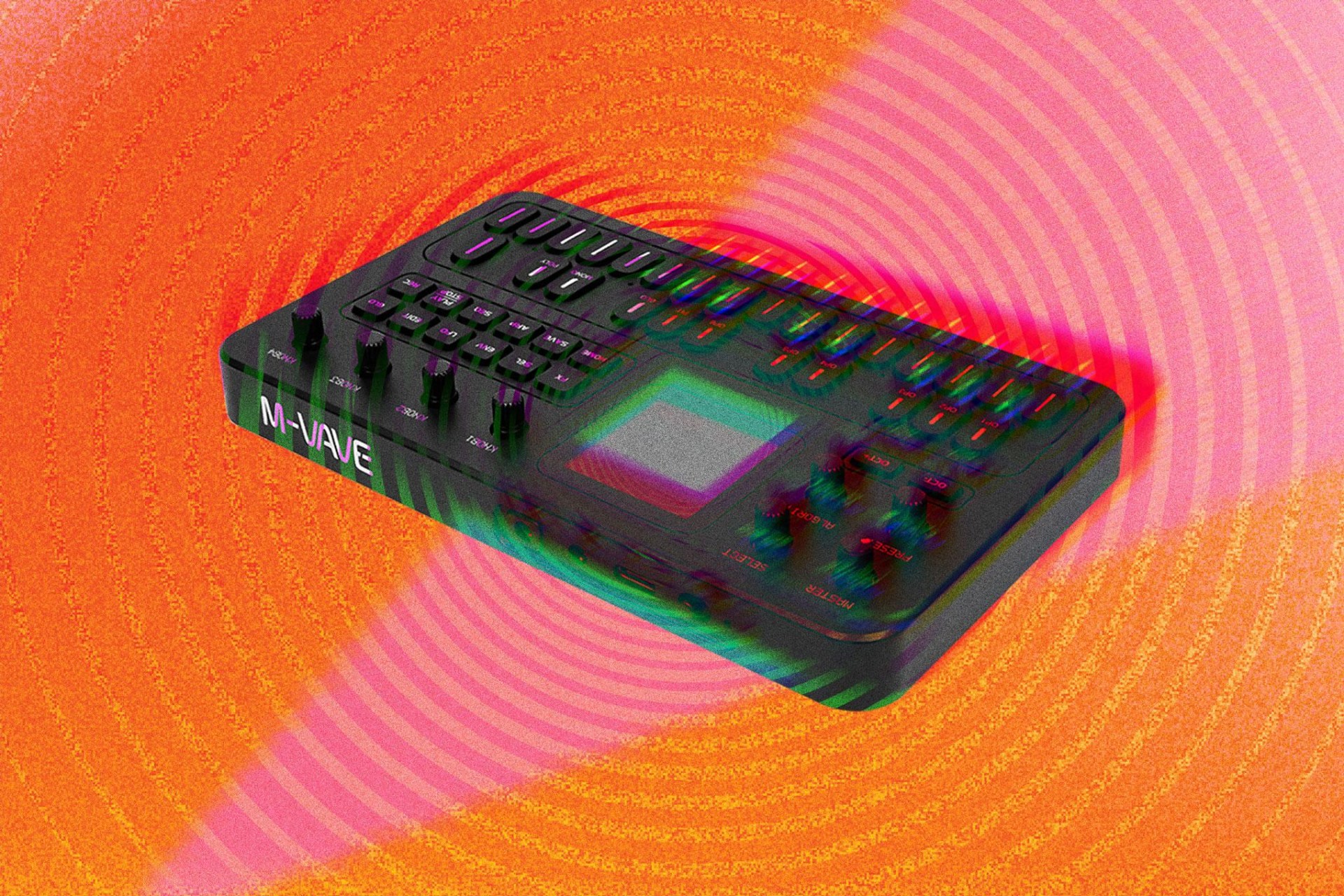
与许多与人工智能相关的事物一样,大型语言模型并没有带来全新的功能。自从有了各种设备以来,就一直有一些用户对它们进行修改、破解和调整,使其符合自己的需求。新的变化在于,现在这样做变得非常容易。世界各地的人们发现,他们只需通过向Claude Code或Codex发出指令,就能利用大型语言模型来操控自己的硬件。这推动了开发者友好型设备的蓬勃发展,同时也为几乎所有你能想到的设备创造了更优质软件的市场需求。对于印度的一位名叫Gathin T的开发者来说,这一切几乎是一时兴起。他告诉我:“某个下午,我在摆弄我的电视,它的性能实在糟糕透顶。”他的电视是小米制造的,运行Android TV系统,广告众多,界面混乱,甚至连切换输入源都很困难。于是他开始思考:如果在安卓手机上可以安装其他启动器,或许也可以在电视上这么做。“我首先想到的是清除电视里的冗余软件,”他说,“然后我又想,为什么不让它看起来更好一些呢?”加辛使用Claude Code进行尝试,发现只需调整几项权限设置并开启USB调试模式,只要聊天机器人和电视处于同一Wi-Fi网络下,就能控制电视。一个半小时后,加辛便将电视改成了自己喜欢的样式——没有屏幕广告,界面更简洁,还能通过其他输入设备更方便地使用PlayStation。他在X平台上分享了这一成果,很快便走红。于是加辛整理了自己的成果,购买了域名,推出了CleanYourTV,作为一个帮助他人优化电视界面的工具。该工具成为了GitHub上最受欢迎的仓库之一,收到了数千个拉取请求和功能建议,还激励了无数人将自己的聊天机器人用于控制自家的大屏幕。Gathin特意指出,只有基于Android系统的电视才能如此轻松地实现这一功能。(他曾尝试使用Claude Code来操作其他操作系统,但这些系统需要更复杂的越狱和root操作,因此他不太愿意广泛分享相关流程。)但对各地的“氛围黑客”来说,好消息是Android几乎可以运行所有设备。从洗碗机到数字相框,再到豪华汽车,甚至那些看起来并不像Android系统的设备,往往也运行着Android系统。即便不是,也很有可能存在其他进入方式。如果有隐藏的API,你的大型语言模型就能找到它。如果固件文件存储在某个网站上,你的大型语言模型就能解压它、分析它,并按自己的需求重新打包。同样,这里所涉及的一些技术能力并非新鲜事物,有进取心的开发者们多年来一直在从事这类工作。有些人甚至已经使用人工智能数年,以此来简化工作流程。但当Claude Code在2025年末首次展现出“哇,它真的有用”的效果时,开发者们开始更加依赖这些工具——而非开发者们也发现,现在他们同样可以开发软件。到了2026年,越来越多的人开始将这种能力应用到他们的硬件上。如今,似乎所有的硬件都成了黑客可利用的硬件。相机爱好者们和其他人一样迅速接受了“氛围黑客技术”的可能性,他们利用大型语言模型以各种方式重新包装自己的相机软件。像Magic Lantern这样的固件修改工具一直是相机圈的常用工具,但如今似乎每个人都在利用人工智能来为相机添加新的录制功能、支持更高的分辨率,甚至为拍摄的图像增添新的风格和色彩配置文件。许多人利用这些工具让旧设备重获新生;而那些更有进取心的“氛围编码者”则将他们的程序应用于全新的硬件上。音乐领域也在经历类似的变革。新兴音乐人正在将廉价的合成器转变为功能强大的新型乐器,而一种名为M-Vave FM-1的廉价设备则成了定制固件及新增功能开发的热门目标。M-Vave甚至发布了开源固件,欢迎黑客参与,而其他公司则试图将他们拒之门外。FM-1价格低廉,易于被黑客攻击,这引发了人们对于高端制造商该如何竞争的疑问。
游戏玩家也在利用人工智能来反编译和修改他们喜爱的游戏,同时运用大型语言模型为游戏主机添加新功能。有程序员找到了在PlayStation 5上播放PlayStation 2光盘的方法;许多玩家还编写了脚本,让自己能够在其他设备上使用最喜欢的控制器。尤其是在游戏领域,这一状况促使整个行业开始反击。游戏开发者正在寻找各种方法,以防止自己的作品被反编译并免费发布到其他平台上。长期从事游戏行业工作的卢克·迪肯曾是Take-Two的人工智能部门负责人,他最近向Kotaku预测,由于没人能够反编译那些他们无法获取的内容,该行业将会开始采用“更为严格的数字版权管理措施、平台级解决方案,以及更多转向流媒体解决方案”。硬件制造商将会更加努力地锁定自己的系统;各行业的企业也将通过法律手段来保护自己的知识产权。所有这些对硬件的操作也为用户带来了新的风险。当你安装经过特殊编码的相机固件版本时,你就已经超出了相机制造商能够提供帮助的范围。你可能不得不求助于Claude来解决它自己造成的问题。正如里奇·罗施最近在《富士X周刊》中所写的:“问题不在于某人的相机是否会变成永久的镇纸,而在于何时、会有多少台相机变成如此,以及它是否会属于你。”
对于那些有进取心的硬件黑客来说,更安全(且诉讼风险更低)的途径是使用一种全新的硬件。ESP32模块将网络芯片、麦克风、扬声器等功能集成在一个简单且便于黑客使用的封装中,如今在硬件社区中随处可见。(可以把它想象成树莓派,但价格更低且功能更丰富。)当然,你可以使用Claude Code来破解Kindle并使其脱离亚马逊的控制,但既然可以购买像M5Stack PaperMono这样的设备——一款基于ESP32的电子纸设备,你可以根据需求将其改造成任何你想要的样子,那又何必这么做呢?
ESP32模块非常适合帮助你打造那种苹果或三星根本不会考虑的极度定制化的设备。只需几美元和一些指令,你就能打造出实时显示海况的设备、为整个DJ系统搭建监控装置,或者随时播放《合金装备》。你甚至可以拥有一个专门用于记录家人购物清单的设备。
接下来会发生什么设备制造商与黑客之间的技术竞赛还将持续下去。随着人工智能模型变得越来越强大,相关工具及其使用者的技术水平也不断提升,任何人都能更轻松地用机器人控制自己的电视、汽车或洗衣机,看看会发生什么。一些制造商会竭力阻止黑客入侵;而另一些则会寻找安全接纳黑客的方法。有些用户会在自己的设备中发现令人惊叹的新功能;而另一些用户则会发现自己的设备只不过成了体积庞大且价格昂贵的镇纸而已。
不久之后,我们会看到许多ESP32设备被改造成更便于消费者使用的硬件。Meta已经通过其Muse Charm和Muse Gadgets项目走在前列,用户既可以购买包装精美的ESP32模块,也可以使用自己现有的模块快速打造专用的人工智能设备。这类产品——只不过是装在漂亮盒子里的简单计算模块——将会随处可见。与此同时,我们已经看到一些“氛围黑客”逐渐转变为正规的软件供应商。例如,加辛花了大量时间思考当人们使用CleanYourTV来破解电视时自己所应承担的责任。他修改了分享的提示语,要求用户首先备份电视的软件,以便在出现问题时能够轻松恢复,同时还会记录下软件所做的每一项更改。CleanYourTV系统还会在运行过程中检查自身进度,并启动相关程序来手动检测是否出现了问题,加辛希望该系统能变得越来越万无一失。但这并非万无一失的方法。或许永远都不可能做到。设备不断更新;每一次软件更新都会带来新的可能性,也会引发新的问题。因此,加辛建议的与那些从事设备调试和黑客操作的人所建议的完全相同:绝不要让机器人访问那些你无法承受失去的东西。“即便只是随便试验一下,”他说,“我也会使用一台运行Linux系统的外部电脑,把它当作沙箱环境来测试各种功能。”如果你打算尝试对手机(很多人都在这么做)或电脑(同样也有很多人在这么做)进行此类操作,请务必谨慎行事,并做好大量备份。
顺便提一下
如果你对现有的设备进行此类操作,几乎总是会使保修失效。没有任何保障,你也绝对不能指望客服能帮你解决难题或退款。你可以在很多地方购买ESP32设备,但很多人建议从Waveshare开始购买,因为那里有丰富的选择且价格相当合理。
开发出ESP芯片的Espressif公司最近也推出了自己的开发系统,名为ESP-Claw。该系统旨在让ESP设备的编程变得更加简单。
Raspberry Pi也是用于音乐设备破解的不错选择!你甚至可以在Raspberry Pi上运行Claude Code……用来破解Raspberry Pi。
阅读这篇文章
了解Terrence O’Brien对AI音乐设备破解领域的深入分析,以及这些新合成器——尤其是FM-1——如何改变人们对音乐设备的看法。
Elektor杂志有一篇关于ESP32的历史和技术细节的精彩文章,其发展历史可追溯至十多年前。Richie在Fuji X Weekly上发布了那篇关于带有氛围编码的固件的原始博客的后续文章,深入探讨了关于人工智能的总体争论,以及使用特定相机究竟意味着什么。“如果那台相机可以通过带有人工智能氛围编码的第三方固件被破解,从而改变其功能和特性,它还算是同一台相机吗?”
正如人工智能被用来让旧设备重获新生并得到改进一样,《The Verge》的Andrew Webster发现,旧游戏也在通过人工智能被重新设计,无论这是好事还是坏事。
我之前写过关于个人软件革命的文章,提到氛围编码意味着每个人都能构建自己想要的软件。同样的情况正在迅速蔓延到各个领域的硬件上。
原文
This is The Stepback, a weekly newsletter breaking down one essential story from the tech world. For more on the vibe-hacking of everything, follow David Pierce. The Stepback arrives in our subscribers’ inboxes on Sunday at 8AM ET. Opt in for The Stepback here.
How it started
Like so many things with AI, it’s not that large language models opened up some wholly new capability. For as long as there have been gadgets, a few users have been hacking, modding, jailbreaking, and tweaking them to their liking. What is new is that it’s easy now. People all over the world are discovering that they can use large language models to hack their hardware simply by prompting Claude Code or Codex to do it. It has led to a boom in developer-friendly gadgets and created a market for better software on just about every device you can think of.
For one developer in India who goes by Gathin T, the whole thing started almost on a whim. “One afternoon, I was fiddling with my TV, and it was just really shitty,” he tells me. His was a set made by Xiaomi and running Android TV, with so many ads and so much interface chaos it was hard to even change inputs. And he got to thinking: If you can install another launcher on your Android phone, maybe you can do the same to your TV. “The first thing that came to mind was to remove the bloatware from the TV,” he says. “Then I thought, why not make it look better?”
Gathin prompted Claude Code and discovered that with a couple of permissions tweaks and a toggle of USB debugging mode, his chatbot could control his TV as long as they were on the same Wi-Fi network. An hour and a half later, Gathin had redesigned his TV to his liking — no more onscreen ads, a simpler interface, easier access to his PlayStation on another input. He posted on X about what he’d done and promptly went viral. So Gathin put together his work, bought a domain, and launched CleanYourTV as a tool for helping other people solve their own television interfaces. It became one of the most popular repositories on GitHub, got thousands of pull requests and feature ideas, and inspired countless people to point their own chatbot at their big screen.
Gathin is careful to note that the only TVs that work this easily are based on Android. (He has Claude Code-d his way through other operating systems, but those involve more explicit jailbreaking and rooting, so he’s more reluctant to share the process so widely.) But for vibe hackers everywhere, the good news is that Android kind of runs everything. From dishwashers to digital photo frames to luxury cars, even gadgets that don’t look like Android often run Android. Even when they don’t, odds are good that there’s another way in. If there’s a hidden API, your LLM can find it. If the firmware file lives on a website somewhere, your LLM can unpack it, explore it, and repackage it to your liking.
Again, few of the technical capabilities here are new, and enterprising developers have been doing this kind of work for many years. Some have even been using AI for several years to make the work easier. But when Claude Code first had its “oh my gosh it works” moment in late 2025, developers began leaning on the tools even more — and non-developers began discovering they, too, could build software now. And over the course of 2026, more and more people began pointing that capability at their hardware.
How it’s going
Now, it seems, all hardware is hacker hardware. Camera enthusiasts embraced the possibilities of vibe hacking as fast as anyone, using LLMs to repackage their camera software in all sorts of ways. Firmware hacks like Magic Lantern are a staple of the camera community, but suddenly it seems like everyone is using AI to add new recording capabilities, support higher resolutions, or even add new looks and color profiles to their shots. Many are using the tools to give their old gear new life; other, more enterprising vibe coders are pointing their bots at their brand-new hardware.
The music world is being similarly upended. Budding musicians are turning cheap synths into powerful new kinds of gear, and a cheap gadget known as the M-Vave FM-1 has become a popular target for custom firmware and new features. M-Vave has even released an open-source firmware, embracing the hackers as other companies have tried to keep them out. The FM-1 is cheap, it’s easy to hack, and it’s raising questions about what higher-end manufacturers can even do to compete.
Gamers, who are also using AI to decompile and mod the games they love, are using LLMs to add new features to their consoles. One vibe coder found a way to play PlayStation 2 discs on a PlayStation 5; lots of gamers have built scripts that allow them to use their favorite controllers on other devices.
In the games world in particular, this has caused the industry to fight back. Game makers are looking for ways to protect their work from being decompiled and made available for free and on other platforms. Luke Dicken, a longtime gaming executive who was recently Take-Two’s head of artificial intelligence, recently predicted to Kotakuthat the industry will start to embrace “more invasive DRM, platform-level solutions, and probably more of a push towards streaming solutions since nobody can decompile what they can’t get their hands on.” Hardware makers will push harder to lock down their systems; companies across the board will pursue legal action to protect their intellectual property.
All this hardware access also creates new risks for users. When you install a vibe-coded version of your camera’s firmware, you are now well outside the bounds of what the camera manufacturer is equipped to help you solve. You might be stuck asking Claude to fix the problems Claude created. As Ritchie Roesch wrote recently at Fuji X Weekly, “It’s not so much if someone’s camera will become a permanent paperweight, it’s a matter of when and how many, and whether it will be yours.”
The safer (and less litigious) route for the enterprising vibe hacker lies in an entirely new kind of hardware. ESP32 modules, which package networking chips, microphones, speakers, and more into a simple and hacker-friendly package, are suddenly everywhere in hardware communities. (Think Raspberry Pis, but even cheaper and more versatile.) So sure, you can use Claude Code to jailbreak and de-Amazon your Kindle, but why do that when you can buy a device like the M5Stack PaperMono, an ESP32-based e-paper device you can make into whatever you want?
ESP32 modules are perfectly suited to help you build the kind of hyper-specific device Apple or Samsung would never consider. With a few dollars and a few prompts, you can build a way to see real-time sea conditions, rig up a monitor for your whole DJ system, or just play Metal Gear Solidon the go. You can even have a dedicated device for your family’s shopping list.
What happens next
The arms race between device manufacturers and vibe hackers is only going to continue. As AI models get more powerful, and both the tools and their users get more sophisticated, it’ll be easier and easier for anyone to point their bot at their TV, their car, or their washing machine and see what happens. Some manufacturers will try their best to keep the hackers out; others will look for ways to safely embrace them. Some users will find incredible new functionality for their tech; others will find they’ve created extraordinarily large and expensive paperweights.
Before long, we’re going to see a lot of ESP32 devices turned into more consumer-friendly hardware. Meta is already leading the charge with its Muse Charm and the Muse Gadgets program, through which you can either buy a nicely packaged ESP32 module or use your own to quickly spin up a dedicated AI device. This kind of gadget — just a simple computing module in a pretty box — is going to be everywhere.
At the same time, we’re already seeing some vibe hackers turn into proper software vendors. Gathin, for instance, has spent a lot of time reckoning with the responsibility he feels for what happens when people use CleanYourTV to hack their televisions. He’s tweaked the prompts he shares to first take a backup of your TV’s software in order to make it easy to restore if something goes wrong, and to make note of every change it makes along the way. The CleanYourTV system also checks its progress as it goes and spins up agents to manually test if something has gone wrong, and Gathin hopes it’s increasingly foolproof.
But it’s not foolproof. It might never be. Devices change all the time; every software update introduces new possibilities and new problems. So Gathin recommends the same thing I hear from vibe coders and vibe hackers all the time: Never give the bots access to something you can’t afford to lose. “Even for fiddling with stuff,” he says, “I have an external computer which runs through Linux. So I just use it like a sandbox environment to test things out.” If you’re going to try and vibe-hack your phone (which lots of people are doing) or your computer (which lots of people are also doing), do it carefully. And make lots of backups.
By the way
If you are vibe-hacking an existing gadget, you are practically always voiding your warranty. There are no guarantees, and you definitely can’t count on customer support to get you out of a jam or offer you a refund.
You can buy ESP32 devices from lots of places, but a lot of folks recommend starting on Waveshare, which has a big selection and pretty good prices.
Espressif, which created the ESP chip, also recently launched its own development system, called ESP-Claw. It’s designed to make programming your ESP device even simpler.
Raspberry Pis are also good vibe-hacking devices! You can even run Claude Code on a Raspberry Pi… to hack a Raspberry Pi.
Read this
Check out Terrence O’Brien’s deeper look at the AI vibe-hacking world, and the ways in which these new synths — in particular the FM-1 — are changing the way people think about music gear.
Elektor has a good piece about the history and technical details of ESP32, which goes back more than a decade.
Richie at Fuji X Weekly posted a follow-up to that original blog about vibe-coded firmware, diving into both the debate about AI in general and about what it even means to use a particular camera. “If that camera can be hacked with AI vibe coded 3rd party firmware to change its functions and features, is it still the same camera?”
Just as AI is being used to revive and improve old gadgets, The Verge’s Andrew Webster found that so too are old games being reimagined with AI. For better and for worse.
I wrote a while back about the personal software revolution and how vibe coding meant everyone could build the exact software they want. The same thing is coming fast to hardware everywhere.