国际政治代表报道
联合国法庭在认定缅甸犯有种族灭绝罪时引用了其军队在脸书上的帖子。
中文译文
联合国最高法院在2016年和2017年作出的裁决认定,缅甸对罗兴亚人实施了国家支持的种族灭绝行为。该法院表示,脸书在帮助缅甸军方传播针对其穆斯林少数群体的仇恨言论方面发挥了作用。正如路透社早前报道的那样,国际法院的裁决认定,缅甸军方在脸书上发布的帖子“将穆斯林少数群体非人化”,“有时还煽动并为针对他们的暴力行为提供正当理由”。
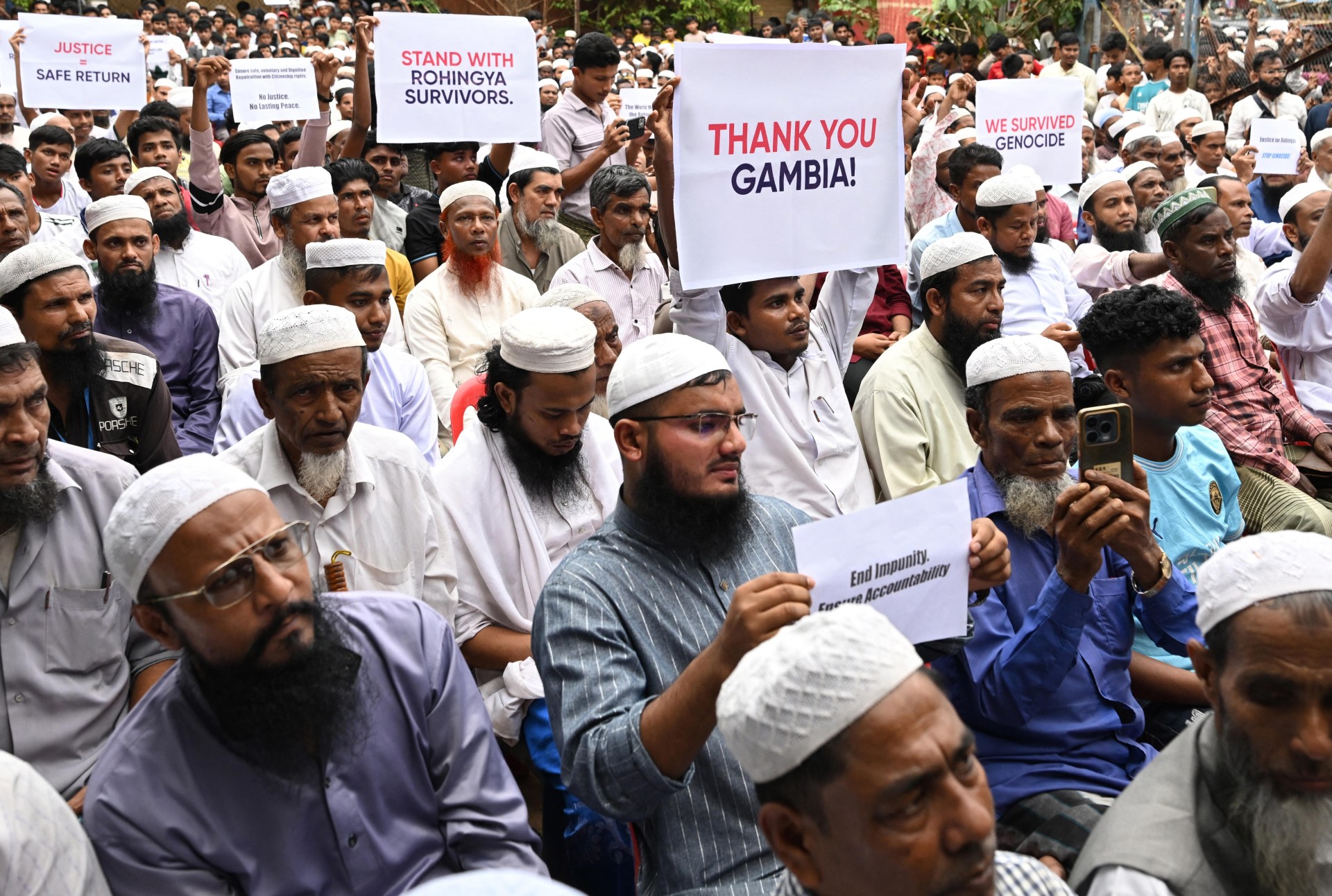
缅甸被认定犯有种族灭绝罪的这一裁决,是在冈比亚于2019年以缅甸军方针对罗兴亚穆斯林的暴力“清剿行动”为由起诉该国之后作出的。军方在行动中严重依赖脸书,该平台在袭击发生时是缅甸最受欢迎的社交平台。国际特赦组织2022年的一份报告指出,脸书“主动传播和推广了煽动针对罗兴亚人的暴力、仇恨和歧视的内容”。尽管人权活动家多次发出警告,国际特赦组织仍认为脸书未能阻止有害内容的在缅甸传播。
联合国现在也支持这些调查结果。它引用了缅甸独立调查机制的一份报告,该报告称,军方在2017年8月25日对罗兴亚人实施屠杀之前发布的帖子“引发了大量公众的恶意言论”,有超过200条评论呼吁“将罗兴亚人枪杀、消灭或永久赶出缅甸”。据IIMM称,Facebook后来删除了与军方有关的页面,这些页面上包含数千篇在2017年7月至12月间发布的针对罗兴亚人的仇恨言论帖子。该公司在2018年承认,其在防止缅甸发生暴力事件方面做得不够,随后出台了“企业人权政策”,其中包括一份关于其人权影响情况的年度报告。《Verge》已向Meta寻求置评,但尚未收到回复。
原文
In its ruling that Myanmar committed state-sponsored genocide against the Rohingya people in 2016 and 2017, the United Nations’ top court says that Facebook played a role in helping Myanmar’s military spread hate speech against its Muslim minority. The ruling from the International Court of Justice determined that Facebook posts made by the country’s military “dehumanized” the Muslim minority “and at times encouraged and legitimized violence against them,” as reported earlier by Reuters.
The decision that Myanmar committed genocide comes after The Gambia sued the country in 2019 over the military’s violent “clearance operations” targeting the Rohingya Muslims. The military relied heavily on Facebook, which was the most popular platform in Myanmar at the time of the attacks, with a 2022 report from Amnesty International finding that the platform “proactively amplified and promoted content on the Facebook platform which incited violence, hatred, and discrimination against the Rohingya.” Despite numerous warnings from human rights activists, Amnesty International said Facebook failed to stop the spread of hateful content in Myanmar.
The UN is now backing up these findings. It cites a report from the Independent Investigative Mechanism for Myanmar (IIMM), which says that a post made by the military ahead of its August 25th, 2017 massacres on the Rohingya people “unleashed a torrent of public vitriol,” with over 200 comments calling for Rohingya people “to be shot, killed, exterminated or permanently removed from Myanmar.”
Facebook later removed military-linked pages containing thousands of posts with anti-Rohingya hate speech published between July and December 2017, according to the IIMM. The company admitted in 2018 that it didn’t do enough to prevent the incitement of violence in Myanmar, and later introduced a “corporate human rights policy” that includes an annual report about its impact on human rights. The Verge reached out to Meta with a request for comment but didn’t immediately hear back.