财经市场代表报道
KOSPI指数暴跌引发对更果断稳定措施的呼吁
中文译文
随着KOSPI指数跌至10个月低点,越来越多的人呼吁政府采取更有力的措施稳定股市。市场观察人士和议员们周日警告称,股价还可能进一步下跌。
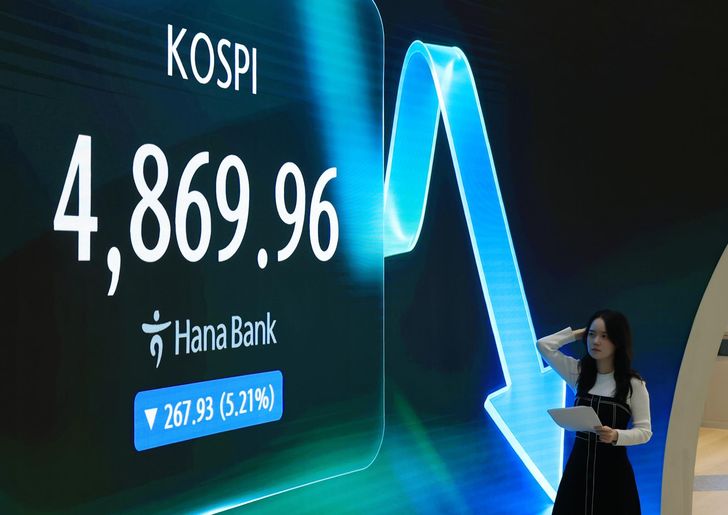
周五,该基准指数收于4,869.96点,较前一交易日下跌267.93点,跌幅为5.21%。这是该指数约10个月来首次跌破4,900点大关。由于人们对人工智能投资回报的疑虑日益增加,导致主要半导体股票表现不佳,该指数本周累计下跌7.95%。
如此大幅的下跌使得金融监管机构的应对措施受到质疑,批评者认为目前采取的措施几乎无法安抚市场情绪。
主要在野党人民力量党的院内领袖郑哲植敦促政府为可能出现的“黑色星期一”准备应急措施,警告称市场可能会面临更剧烈的下跌。“政府应提前为明日股市可能出现的急剧下跌准备应急措施。散户投资者已经遭受了巨大损失,投资者对KOSPI市场稳定性的信心也受到了动摇,”郑在周日于Facebook上写道。
本月早些时候,监管机构暂时放宽了券商的抵押品要求,以便让那些用借来的资金购股的投资者有更多时间在股票被卖掉以弥补损失之前采取行动。
但这一措施只能提供有限的缓解,因为一旦股票价值下跌过多,券商仍可出售这些股票,而投资者则需继续为贷款支付利息。
此次股价暴跌还引发了限制卖空行为的呼声,尤其是针对那些占卖空交易大部分比例的外国投资者。根据韩国交易所的数据,从11月2日到周四的14个交易日内,KOSPI指数市场及二级Kosdaq市场中的卖空交易总额为21.6万亿韩元(约合160亿美元)。其中,外国投资者进行的卖空交易金额为16.21万亿韩元,占总量的75.1%。
由于台湾股市也面临巨大的抛压,该地区已着手收紧卖空规则。其金融监督管理委员会于周六宣布,从周一开始,对于在前一交易日出现下跌的股票,投资者将不得以低于前一日收盘价的价位下达卖空订单。
不过,韩国政府在实施更严格的卖空限制方面较为谨慎,担心此类措施会降低韩国股市对外国投资者的吸引力。摩根士丹利资本国际将卖空限制视为韩国争取获得发达市场地位的障碍之一。为应对日益严重的担忧,金融监管机构于周日召开紧急会议,商讨稳定股市的措施。
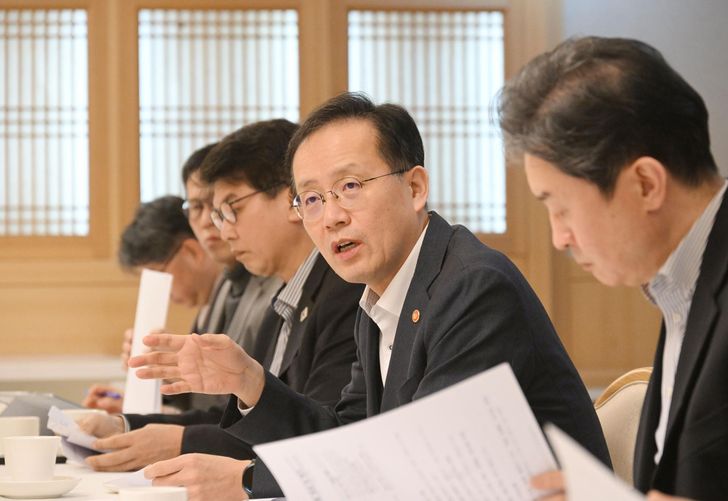
会议由副总理兼财政部长李亨一主持,韩国银行行长申贤松、金融服务委员会主席李永元以及金融监督服务局局长李灿镇出席了会议。
在会议上,官员们同意在必要时立即启动市场稳定基金,并暂时放宽对企业股票回购的限制三个月,以支撑股价。
从周二开始,上市公司在股票回购的每日数量上将拥有更大的灵活性。监管机构还将在三个月内加强對非法卖空的监控。花旗韩国的首席经济学家金镇旭表示,政府释放可能动用市场稳定基金的信号,即便该基金并未真正投入使用,也有助于遏制做空行为。
在11月13日由李在明总统主持的资本市场政策会议上,金镇旭指出:“外国投资者的反馈表明,即便只是释放可能动用市场稳定基金的信号,也有助于抑制做空活动。”
原文
Calls are growing for the government to take stronger steps to stabilize the stock market after KOSPI fell to a 10-month low, with market watchers and lawmakers warning Sunday that further losses could follow.
The benchmark index closed at 4,869.96 on Friday, down 267.93 points, or 5.21 percent, from the previous session. It marked its first close below 4,900 in about 10 months. The index lost 7.95 percent over the week as growing doubts over the returns on artificial intelligence investments weighed on major semiconductor stocks.
The steep decline has put the financial authorities' response under scrutiny, with critics saying measures introduced so far have done little to calm the market.
Jung Jeom-sik, floor leader of the main opposition People Power Party, urged the government to prepare emergency measures for a possible "Black Monday," warning that the market could face an even sharper fall.
"The government should prepare emergency measures in advance for the sharp decline expected in the stock market tomorrow. Retail investors have already suffered heavy losses and investors' confidence in KOSPI's soundness has been shaken," Jung wrote on Facebook, Sunday.
Earlier this month, regulators temporarily eased collateral requirements for brokerages to give investors who bought stocks with borrowed money more time before their shares are sold to cover losses.
But the measure offers only limited relief, as brokerages can still sell shares if their value falls too far, while investors continue to pay interest on their loans.
The sell-off has also fueled calls to curb short-selling, particularly by foreign investors, who account for the bulk of such trades.
Short-selling transactions on KOSPI and secondary Kosdaq markets totaled 21.6 trillion won ($16 billion) over 14 trading sessions from Nov. 2 to Thursday, according to data from the Korea Exchange. Foreign investors accounted for 16.21 trillion won, or 75.1 percent of the total.
Taiwan has moved to tighten short-selling rules as its stock market also came under heavy selling pressure. Its Financial Supervisory Commission announced Saturday that, starting Monday, investors would be barred from placing short-sale orders below the previous day's closing price for stocks that had declined in the prior session.
The Korean government, however, has been cautious about imposing tighter restrictions on short-selling, wary that such curbs could make the Korean stock market less attractive to foreign investors. Restrictions on short-selling have been cited as one of the hurdles to Korea's efforts to gain developed-market status from Morgan Stanley Capital International.
In response to mounting concerns, financial authorities convened an emergency meeting Sunday to discuss measures to stabilize the stock market.
The meeting was chaired by Deputy Prime Minister and Finance Minister Lee Hyoung-il and attended by Bank of Korea Gov. Shin Hyun-song, Financial Services Commission Chairman Lee Eog-weon and Financial Supervisory Service Gov. Lee Chan-jin.
At the meeting, officials agreed to prepare for the immediate activation of the market stabilization fund if needed and temporarily ease restrictions on corporate share buybacks for three months to support stock prices.
Starting Tuesday, listed companies will be allowed greater flexibility in the daily volume of their share buyback orders. Authorities will also step up surveillance of illegal short-selling for three months.
Kim Jin-wook, chief economist at Citi Korea, said the government's potential signal to activate the market stabilization fund could help discourage short sellers, even without the fund being actually deployed.
"Feedback from foreign investors suggests that even a signal that the market stabilization fund could be activated would help curb short-selling activity," Kim said at a policy meeting on the capital market chaired by President Lee Jae Myung on Nov. 13.