国际政治
历史的新一页?习近平、特朗普与普京的峰会更像是一个注脚
中文译文
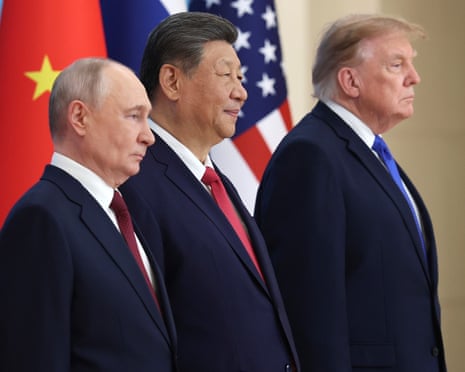
可以说,鉴于这是中国、俄罗斯和美国领导人首次举行此类会晤,周四在深圳举行的会议确实堪称“历史性”的。
但从实际成果来看,它不太可能如弗拉基米尔·普京所宣称的那样,开启“外交史上的新篇章”,而只会成为21世纪相关史册中一个不太重要的注脚。
的确,这次会晤有可能成为打破僵局的契机,开启持久的新对话。同样,每位领导人也能从这90分钟的会面中有所收获。
尽管在APEC峰会期间睡着了,唐纳德·特朗普仍有机会展现他与两位他钦佩的威权领导人的亲密关系。鉴于乌克兰摧毁了俄罗斯通往克里米亚的桥梁,这位美国总统将普京视为不仅是朋友,几乎还是战时盟友。俄罗斯总统虽然在最初的拍照环节中偶尔因礼仪规定而被晾在一边,但他仍能向国内展示,是莫斯科而非他的对手欧洲,更不用说乌克兰,才值得特朗普和习近平的尊重与关注。因此,这场峰会对普京而言无异于一份免费礼物,也印证了前英国外交大臣杰里米·亨特所说的,特朗普已不再是自由世界的领袖。
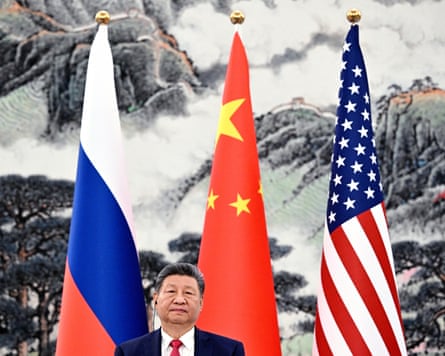
在普京看来,柏林举行的“自愿联盟”会议不过是场附属活动。他宣称,欧洲试图孤立俄罗斯的企图已经失败,亚太地区已成为全球经济的中心。他表示,尽管存在诸多困难,但他与特朗普的关系仍是建立在“相似的文明价值观”基础之上的。对习近平而言,这是个展示主人的风范、隐晦表明美国霸权时代已经结束的宝贵机会。美国不再是世界事务中的唯一裁决者,这个以消费经济为特色的国家必须与制造业巨头中国以及能源大国俄罗斯共享舞台。
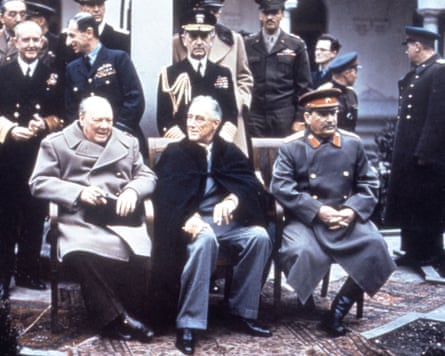
这三国发表的简短联合声明涵盖了四个差异较大的主题:增加能源供应、改革联合国、限制国际刑事法院的权力,以及初步承诺探讨核裁军与核不扩散问题。在各种全球危机频发的时刻,这些雄心壮志远远不及1945年的雅尔塔会议,甚至也不及1943年德黑兰峰会后的宣言。当时,英国、美国和俄罗斯的领导人坐在英国大使馆的露台上,承诺战后各国将携手合作,建立一个没有暴政与压迫的“民主国家世界大家庭”。温斯顿·丘吉尔在德黑兰宣称:“人类的未来掌握在我们手中。”约瑟夫·斯大林则走得更远。他说:“历史宠坏了我们,它赋予了我们巨大的权力和极大的机会。”
相比之下,深圳那次会议更像是在寻找讨论议题。这种空白被一些空洞的承诺所填补,即“维护战略稳定与国际安全”,但纵观全球,与会的各方目前都未能有效履行这一承诺。或许技术发展、多极化格局以及他们内部的矛盾意味着他们甚至算不上“超级大国”。显然,他们并没有提出任何关于如何改革联合国的计划,更不用说提升能源产量或尊重国际法了——而特朗普目前看中的接班人马可·卢比奥曾在一次演讲中贬低国际法,称其不过是全球精英们的玩物。
作为此次峰会的主要推动者,普京是三人中最急于将此次会议置于历史背景之下的人。他将中国、俄罗斯和美国称为第二次世界大战的胜利者,这显然是对英国的刻意贬低。所谓“维护和加强国际法体系”的承诺,似乎意在确保某些世界领导人不会面临国际刑事法院发出逮捕令的风险。巧合的是,同一天,另一个国际法庭——国际法院也首次判定一个国家——缅甸——犯有种族灭绝罪。深圳声明并未明确将国际法院列为目标,只是间接提到了国际刑事法院以及“其他类似机构”。毫无疑问,这只是因为国际法院的裁决往往可以几乎不受惩罚地被忽视。
习近平担心中国作为全球南方保护者的地位会因卷入全球超级大国的势力划分而受损,于是照旧发表了熟悉的言论:“历史告诉我们,当大国和睦相处时,世界就安宁;当它们发生冲突时,世界就会陷入混乱。”
或许在幕后或其他场合,中国在如何充当伊朗和平协议的担保人、谁应领导联合国度过即将到来的改革阶段,甚至普京如何以维护乌克兰主权的方式寻求乌克兰问题上的和平等方面,正在取得实质性进展。不过目前看来,深圳所创造的那点历史似乎完全是出于错误的原因。
原文
It is arguably true, given it was the first such meeting of the leaders of China, Russia and the US, that Thursday’s gathering in Shenzhen deserved the description of “historic”.
But in terms of tangible outcomes, it is unlikely to warrant the “new page in the history of diplomacy” that Vladimir Putin claimed had been written, and will instead be consigned to a smallish footnote in any future volume of the 21st century.
It’s true that the meeting could yet be an icebreaker and the start of a permanent new dialogue. It’s also true that each leader can return home with something from the 90 minutes they spent together.
Despite falling asleep during the main Apec summit, Donald Trump had a chance to show his proximity to two authoritarian leaders he admires. With Ukraine having destroyed Russia’s bridge into Crimea, the US president greeted Putin as not just a friend but almost a wartime ally.
The Russian president, although occasionally pushed to one side by protocol during the early photo opportunities, will be able to show back home that it is Moscow, and not his adversary Europe, let alone Ukraine, that commands the respect and attention of Trump and Xi Jinping. As such, the summit was a free gift to Putin, and underlined that Trump was no longer the leader of the free world, as the former British foreign secretary Jeremy Hunt commented.
From Putin’s perspective, a meeting in Berlin of the coalition of the willing was a sideshow. Europe’s attempts to isolate Russia had failed and the Asia-Pacific region had become the centre of the global economy, Putin boasted. His relationship with Trump, he said, despite the difficulties, was founded on “similar civilisational values”.
For Xi, it was a prestigious chance to play host and implicitly demonstrate that the era of American hegemony is over. No longer the sole arbiter in world affairs, the US, the consumer economy, must share the stage with China, the manufacturing giant, and Russia, the energy bank.
The trio’s brief joint statement covered four pretty disparate topics: boosting energy supply, reforming the United Nations, limiting the powers of the international criminal court (ICC) and a tentative commitment to discuss nuclear disarmament and non-proliferation.
For grandeur at a time of various global crises, these ambitions hardly matched Yalta in 1945 or even the declaration after the Tehran summit in 1943, when the leaders of the UK, US and Russia sat on the veranda of the British embassy and pledged that their countries would work together after the war to build a “world family of democratic nations” free of tyranny and oppression. Winston Churchill declaimed in Tehran: “In our hands we have the future of mankind.” Joseph Stalin went further. “History has spoiled us,” he said. “She has given us very great power and very great opportunities.”
Shenzhen, by contrast, felt like a meeting in search of an agenda. The vacuum was filled with platitudinous commitments to “maintain strategic stability and international security”, a task that – looking around the world – none of those in attendance are currently pursuing with great effect.
Perhaps technology, multipolarity and their own divisions mean even they do not have “very great power”. Certainly there were no accompanying plans for how to reform the UN, let alone boost energy production or show respect for international law – a subject Trump’s current favoured successor, Marco Rubio, had just disparaged in a speech as a plaything of the global elite.
It was the summit’s chief instigator, Putin, who was the most eager of the three to set the meeting in a historic context, describing China, Russia and the US as the victors of the second world war, in a deliberate slight to Britain. A pledge to “preserve and strengthen the system of international law” seemingly referred to ensuring certain world leaders were freed from the prospect of the ICC serving them with arrest warrants.
By coincidence, the other world court, the international court of justice (ICJ), found a state – Myanmar – guilty of genocide for the first time on the same day. The Shenzen statement did not name the ICJ as a target, beyond an oblique reference to the ICC and “other similar institutions”. Doubtless that is only because ICJ rulings can be dismissed with near impunity.
Xi, nervous that China’s status as protector of the global south might be damaged by being involved in a global superpower carve-up, stuck to a familiar script: “History tells us that when major powers are at peace, the world is secure. When they clash, there is chaos.”
It may be that behind the scenes, or at other events, serious progress is being made on how China might act as a guarantor of a peace deal with Iran, or on who should lead the UN through its coming phase of reform, or even on how Putin might bring himself to seek peace in Ukraine in a way that protects Ukrainian sovereignty.
For the moment, though, it looks as if what little history was made in Shenzhen was made for exclusively the wrong reasons.